



Armenia’s ambassador is using culture, commerce and EU diplomacy to make Yerevan’s European turn visible beyond summit rooms
Tigran Balayan, Armenia’s ambassador in Brussels, serves as a key figure showcasing Yerevan’s evolving relationship with Europe. His efforts extend beyond official summits and security matters, emphasizing civic events, business connections, and exploring new markets during regional challenges.
As Armenia’s ambassador to Belgium and head of mission to the European Union, Balayan operates at the crossroads of national diplomacy, diaspora engagement, and EU institutional politics. In Brussels, this role is significant. For Armenia, a small, landlocked country aiming to diversify its economic routes while maintaining democratic choices, European visibility is strategic rather than ceremonial.
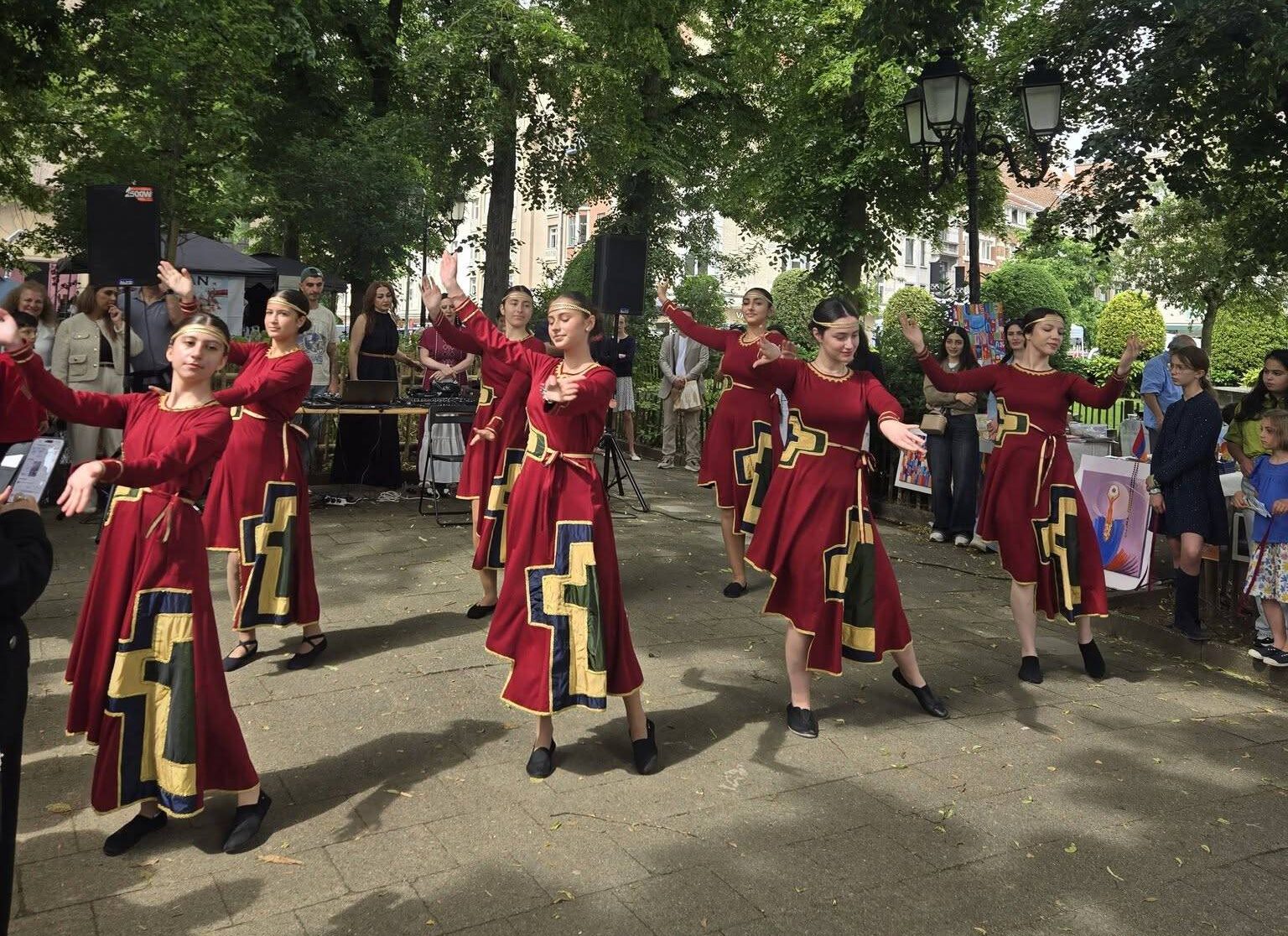
This was highlighted during the recent Armenian Fair in Brussels, held in Ixelles on 31 May. The event showcased Armenian culture, food, music, and producers to a Belgian audience, with Balayan presenting it as both a cultural celebration and an opportunity for Armenian entrepreneurs to engage with European consumers and partners.
Public Diplomacy With Economic Weight
While embassy fairs may seem superficial, for Armenia, they carry significant economic implications. Armenian exporters face challenges from disrupted trade routes, Russian restrictions, and difficulties in linking the South Caucasus economy to European markets. Although a Brussels fair cannot resolve these issues, it highlights them to local authorities, EU officials, businesses, and diaspora networks.
Balayan’s efforts are part of a broader Armenian initiative to transform European interest into tangible partnerships. According to the Council’s Armenia policy overview, the EU’s relationship with Armenia is based on the Comprehensive and Enhanced Partnership Agreement, now expanded to encompass governance, trade, connectivity, and resilience.
This framework gained urgency following the first EU-Armenia summit in May and Armenia’s June parliamentary election, which reaffirmed Prime Minister Nikol Pashinyan’s cautious yet visible westward shift. As The European Times reported, Europe’s credibility in Armenia hinges on delivering support to its people rather than viewing the country merely as a geopolitical symbol.
A Delicate Brussels Argument
Balayan’s work in Brussels embodies this tension. His message is not solely about Armenia’s desire for more Europe but rather about needing practical ties: market access, investment, institutional cooperation, educational links, and support for resilience against pressures. These elements may lack the drama of treaties but are essential for a sustainable diplomatic shift.
The ambassador operates in a complex and sensitive environment. Brussels hosts missions from states with differing views on the South Caucasus, and Armenia’s European direction is influenced by unresolved issues such as the displacement of Armenians from Nagorno



Leave a Reply