


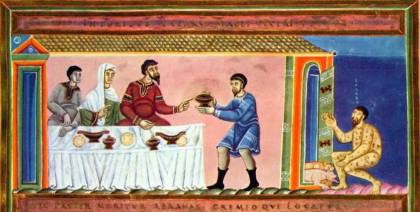
Archbishop George of Cyprus Tackles Church Property Management Issues
Two years into his tenure as the head of the Cyprus Archdiocese, Archbishop George delved into the challenges of managing church property during an interview with the newspaper Phileleuteros. Determined to restore proper governance, he highlighted the destructive practices that have plagued church asset management and outlined steps being taken to address these issues.
Tackling Mismanagement of Agricultural Land
The Archbishop revealed that certain individuals have been exploiting agricultural plots owned by the Archdiocese, falsely claiming to cultivate them while even receiving state subsidies. These practices, he emphasized, have now been halted. “Anyone wishing to use church land must pay,” he stated, assuring there will be no exceptions or compromises. An evaluation of the Archdiocese’s agricultural lands found significant mismanagement, prompting measures to restore order. “Since this year, we’ve been working to establish a sustainable and organized process,” he added.
Financial Fallout from the Banking Crisis
The Archbishop also spoke candidly about the financial setbacks suffered by the Cyprus Archdiocese during the banking crisis, which resulted in losses exceeding 100 million euros. These losses have destabilized the church’s finances. He further shed light on an ongoing investigation, initiated during the tenure of the late Archbishop Chrysostomos II, into alleged misappropriation of church property.
Rental Disputes and Legal Actions
A key focus has been property owned by “Holy Mother of God Appearing (Phaneromeni),” the largest church in Nicosia, which oversees more than 100 properties. Archbishop George underlined the need for fair rent evaluations, particularly for tenants paying unreasonably low amounts. Legal actions have been initiated against such tenants, especially when they resist revising leases. He clarified, “This isn’t about elderly individuals living in homes, but about commercial properties.”
Significantly, the Archbishop noted that no one is exempt from these reforms—not even relatives of the late Archbishop Chrysostomos I of Cyprus (1977–2007). “Church properties must be evaluated, improved where necessary, and rented out wisely. We are committed to retaining church assets rather than alienating them,” he stressed.
Supporting Cyprus and Social Programs
The Church of Cyprus continues to play an active role in supporting national defense and social initiatives. Recently, the Archdiocese contributed 1.2 million euros to renovate dormitories at the Naval Cadet School in Greece. Additionally, the Holy Synod has pledged to allocate annual funds toward Cyprus’ defense, although the Archbishop refrained from disclosing the exact amount.
On the social front, the Archdiocese dedicates 1 million euros yearly to scholarships and community welfare, while other metropolitanates manage their own social programs. Archbishop George explained that these funds do not come from the church treasury, which struggles to maintain religious buildings, but rather from the Church’s investments in business sectors. Notably, the Church has ventured into renewable energy projects, particularly photovoltaics.
Controversial Pay Disparities
Archbishop George also voiced concerns over the salary disparities within the Archdiocese. Some employees earn up to 300,000 euros annually, including 8,000-euro monthly salaries and additional income from board positions linked to Archdiocesan businesses. Others, however, earn much less, with annual salaries as low as 12,000–13,000 euros.
“Although remuneration should reflect an individual’s work and capabilities, we must remember that we are a church, not a private corporation,” the Archbishop remarked. He proposed capping board allowances at 1,000 euros per month to ensure fairness while reallocating savings to improve wages for other employees.
A Commitment to Reform
When asked whether he fears opposition to his reforms, Archbishop George admitted, “I am worried, but I am more concerned about my conscience. When I ask myself what needs to be done, my inner voice tells me that ignoring these issues is not an option.” His resolute approach underscores a determination to strengthen the Church of Cyprus by ensuring transparency, fairness, and responsible stewardship of its resources.





Leave a Reply