


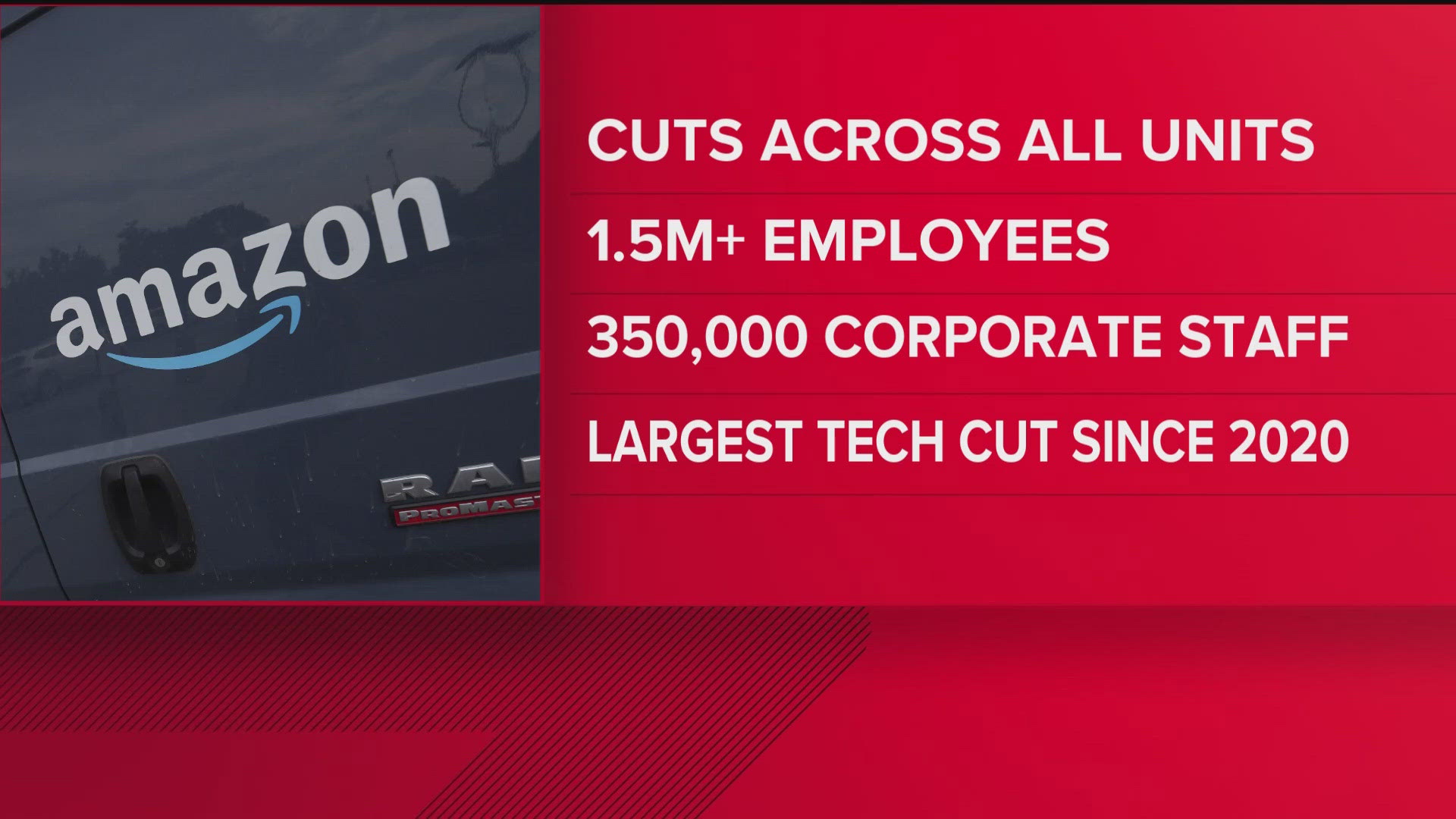
Seattle, Washington, January, 2026: Coverage highlighted by Eurotoday Newspaper brought renewed international attention to Amazon as the company prepared for another significant phase of corporate job cuts, marking a critical chapter in the ongoing Amazon workforce reduction shaping the technology sector this year.
The anticipated changes are expected to affect thousands of corporate employees across multiple divisions, reinforcing how even the largest global companies are adapting to slower growth, evolving cost structures, and a post-pandemic economic landscape defined by efficiency rather than expansion.
A Turning Point in Corporate Employment Strategy
Amazon’s approach to staffing has undergone a profound transformation. During the rapid growth years of the early 2020s, the company expanded aggressively, building extensive corporate teams to support logistics, cloud computing, advertising, and internal innovation.
As market conditions stabilized, leadership began reassessing scale. The current Amazon workforce reduction reflects a strategic pivot away from growth-driven hiring toward a model that emphasizes productivity, accountability, and streamlined decision-making.
Economic Conditions Driving Organizational Change
The global economy in 2026 remains shaped by elevated interest rates, cautious consumer spending, and increased pressure on corporations to demonstrate sustainable profitability. These factors have prompted companies to revisit long-term staffing assumptions.
For Amazon, the Amazon workforce reduction is tied directly to this environment. Executives have signaled that maintaining flexibility and cost discipline is essential to navigating economic uncertainty while protecting shareholder value.
Corporate Roles Under Review
Corporate functions often face the greatest scrutiny during restructuring. Internal operations, middle management layers, recruiting, and project coordination roles have historically been more vulnerable when organizations seek efficiency.
The current Amazon workforce reduction is expected to follow a similar pattern, focusing on roles that leadership believes can be consolidated, automated, or redistributed across leaner teams.
Cost Structure and Financial Priorities
Labor costs represent a significant portion of Amazon’s operating expenses. Alongside workforce changes, the company has slowed capital spending, consolidated office locations, and reassessed long-term real estate commitments.
This broader financial alignment supports the Amazon workforce reduction, enabling Amazon to preserve resources for high-priority investments in cloud infrastructure, automation, and artificial intelligence.
Workforce Morale and Internal Communication
Repeated restructuring efforts can strain morale, particularly among corporate employees. Amazon has continued to offer severance packages, extended benefits, and career transition support to impacted workers.
One internal communication summarized leadership’s position:











Leave a Reply