



What is your first association with the aircraft of World War I? The flying man called Red Baron, aerial battles over the trenches, and some of the early forms of what would come to be regarded as real fighter planes, correct?
So have you ever cared for the sky giants? The AEG G.I bomber is one of those lesser-known aircraft, a big player in early 20th-century aviation, but one that ultimately never quite hit the mark. Now let’s take a deep look at the history of this curious German WWI aircraft and try to understand what happened.
What Was the AEG G.I Bomber?
The AEG G.I was a 1915 prototype bomber designed by the Germany WWI aircraft manufacturer AEG during World War I. Unlike the light and fast combatant that is portrayed in most battle tales, the G.I was a huge, heavy bomb dropping machine meant to drop big loads on enemy territory. Imagine it as a large heavy hulking relative of the slim strategic bombers use today.
Here is the rub during the First World War, bombs were not as dependable as they are now in 2015. The technology was still in its development stage, and it became quite challenging to fly these giant mechanical structures. Nevertheless, the Germans, being Germans, tried to turn this bomber design into something to be effective.
The German Bomber Design: Ambitious But Flawed
The AEG G.I bomber was Germany’s answer to the growing need for aerial bombardment. Like the modern bombers, it was intended to deliver bombswell behind the enemy’s lines. However, the concept was idea while its implementation was very poor.
Key Features of the AEG G.I Bomber
- Wingspan: 20 meters (about 66 feet) larger than most aircraft of its time.
- Engines: It used two inline engines, each producing a meagre 160 horsepower. Not exactly the most powerful engines for a bomber that size.
- Crew: The bomber needed a crew of at least 4-5 men to operate it, which meant it was a pretty big deal to manage in the air.
- Payload: Despite its size, the AEG G.I could carry bombs weighing up to 250 kg (550 pounds), a hefty load for a 1915 aircraft.
While this all sounds impressive, remember—this was 1915, and aviation technology was barely out of the “Hey, we can fly!” phase.
Why Did the AEG G.I Bomber Fail?
Let’s be real here: the AEG G.I bomber didn’t make it past the prototype stage, and it’s not hard to see why.
- Underpowered Engines: The 160 horse power engines just did not have the necessary get up and go to carry such a weighty plane or get to the enemy line without the plane coming down
- Steering Problems: The controls were tricky, and the aircraft had a reputation for being difficult to fly.
- Limited Range: While bombers today can cross continents, the AEG G.I. bomber had a limited range and couldn’t go far enough to make a significant impact behind enemy lines.
- Engine Cooling Issues: Overheating engines are a constant issue, which is the last thing you want in an aircraft that’s supposed to fly high and far.
In short, the AEG G.I. was more of a
Comments
Last News

Cuban Addresses Fuel Shortage Issue
Cuba is facing a severe energy crisis following the halt of oil supplies from the United States and Venezuela in January. Consequently, gasoline is rationed, and power outages are widespread. On the black market, gasoline prices have soared to $8 per liter, six times the official state price.
Reuters reports a Cuban has converted a Fiat 126p to operate on coal.
Mechanic Juan Carlos Pino tackled

EU’s Google Fine Risks Triggering Trump as He Gears Up for More Tariffs
One diplomat mentioned that ambassadors could convene an extra

NATO Defense Support Bolstered as Zelenskiy Announces Raytheon’s Interceptor Production Partnership Intent
Kyiv, July 23 Eurotoday — NATO defence support remains central to Ukraine’s security strategy after President Volodymyr Zelenskiy said U.S. defence company Raytheon is interested in helping produce interceptor missiles in Ukraine. The proposal highlights efforts to strengthen the country’s air defence capabilities while expanding cooperation with Western defence manufacturers.
Raytheon Signals I


Germany rebukes Trump over South Africa’s G20 ban
During his speech, Wadephul highlighted his desire to build closer ties with South Africa, despite differences on significant geopolitical issues like Russia’s war in Ukraine, the Gaza conflict, and China. As a BRICS member, South Africa historically maintains close rel

Spanish Wildfire Response Criticized for Exposing Warning Gaps
Madrid, July 22 Eurotoday — Wildfire emergency response has come under renewed scrutiny after a devastating wildfire in Spain revealed weaknesses in emergency warning systems and outdated evacuation plans. Residents in several affected communities reported receiving delayed alerts as flames spread rapidly through dry woodland, leaving many to rely on neighbours and personal judgement rather than

From El Fasher to Brussels: Victims and Experts Urge EU Sanctions on the War’s Business Model

Le parquet de Paris ouvre une enquête sur le site “libertin” Wyylde
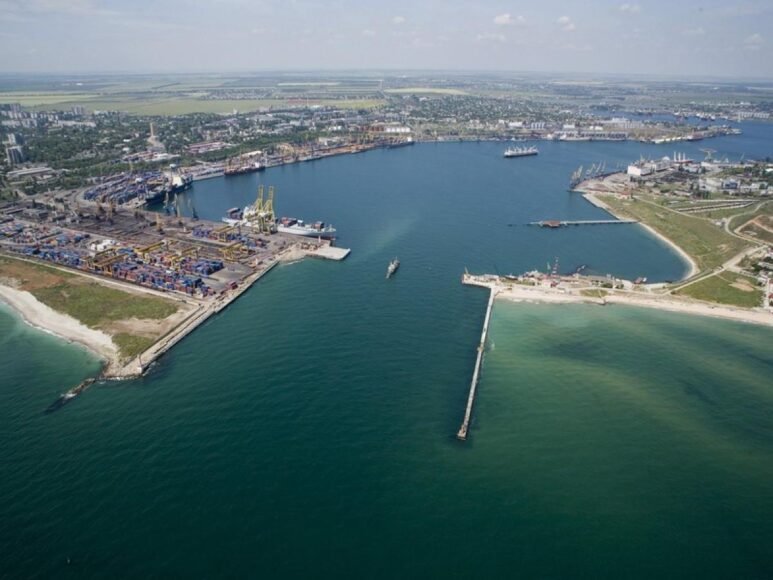
Maersk Halts Chornomorsk Fishing Port Service Following Russian Attacks in Global Shipping News
Kyiv, July 22 Eurotoday — Global shipping news remains focused on the Black Sea after Maersk suspended services through Ukraine’s Chornomorsk Fishing Port following intensified Russian attacks on port infrastructure. The move reflects growing security concerns for international shipping companies operating in the region and is expected to affect cargo movements until conditions improve.
Maersk S

Leave a Reply