



Yorgen Fenech has been acquitted of involvement in the journalist’s murder, prompting renewed attention to Malta’s pending press-freedom reforms.
Businessman Yorgen Fenech has been found not guilty by a Maltese jury of being complicit in the 2017 assassination of investigative journalist Daphne Caruana Galizia. Despite the verdict, which reflects a failure by prosecutors to convince the jury beyond a reasonable doubt, it leaves unanswered the central question of who ordered the journalist’s murder, which uncovered corruption and ties between political and business entities.
After a 55-day trial, the jury voted eight to one to acquit Fenech of involvement in willful homicide and association with others to commit a crime. Fenech consistently denied the charges and was released following the verdict. His defense highlighted the prosecution’s reliance on testimony from intermediary Melvin Theuma as inadequate.
The acquittal requires respect for legal standards, not public anger or unanswered questions, to determine criminal guilt. This verdict does not reveal who ordered the assassination or address the institutional issues surrounding it.
Caruana Galizia was killed on October 16, 2017, by a car bomb. She exposed corruption, offshore finances, and ties between officials and businesses. Several individuals have been convicted for their roles in her murder, including Alfred and George Degiorgio, Vincent Muscat, Robert Agius, and Jamie Vella. However, no one has been convicted of commissioning the murder following Fenech’s acquittal.
Caruana Galizia’s family criticized the verdict for denying justice and failing to address institutional failures. Malta’s government accepted the decision and emphasized its commitment to justice.
The criminal trial and Malta’s institutional responsibilities, examined separately, were highlighted in a 2021 independent inquiry finding the state responsible for creating an impunity climate that enabled the assassination without direct participation. The inquiry recommended enhanced journalist protections, reforms for conflict of interest, and public accountability improvements. Progress has been made in judicial appointments and enforcing European media freedom rules, though practical effectiveness remains a concern.
During an October 2025 European Parliament debate, the European Commission indicated further work on lobbying, integrity standards, whistleblower protection, document access, and anti-corruption recommendation implementation is needed. These responsibilities remain, independent of individual trial outcomes, to ensure independent investigations and reduce political or commercial influence.
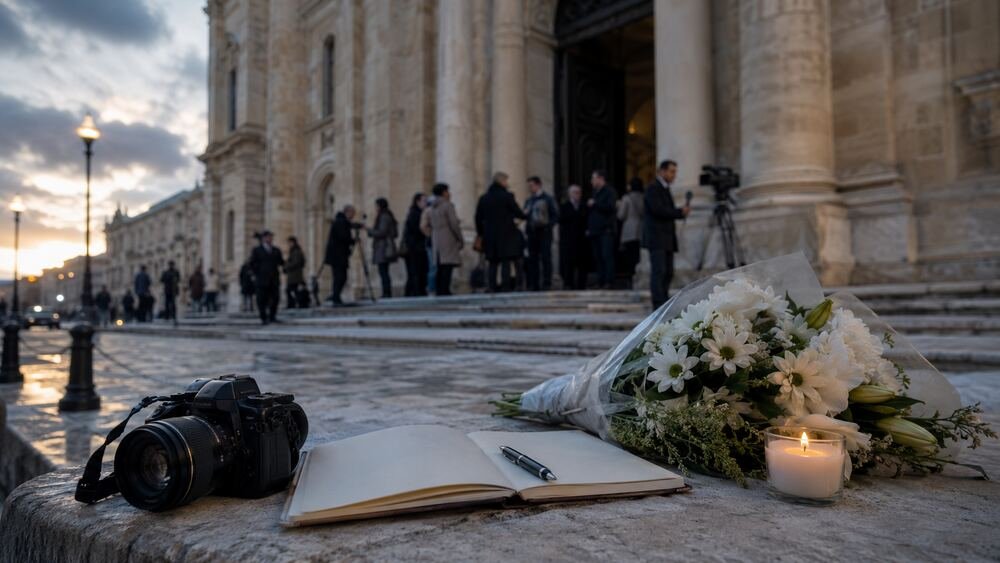
Caruana Galizia’s assassination symbolizes the risks investigative journalism faces in the European Union. Her name is associated with the European Parliament’s journalism prize, emphasizing the need for institutional change beyond remembrance.
The European Media Freedom Act enhances protections for editorial independence, journalistic sources, and transparent media ownership but doesn’t solve this unresolved assassination. European laws can’t replace strong national enforcement.
Malta must honor the jury’s decision, protect the acquitted, continue investigations, and transparently report on the prosecution’s lessons while completing reform proposals. Nearly nine years since the bombing, despite convictions and reforms, a complete judicial account of responsibility remains absent, affecting Malta’s institutions and Europe’s guarantee of journalist safety.





Leave a Reply