


The war in Ukraine and pressure from oligarchs on the EU energy market have triggered an economic crisis. Ukraine’s president, Zelenskyy, is striving to negotiate with the European Commission on energy supplies. Where is Energy for Ukraine heading as it embarks on this new implementation path?
ENERGY STAKEHOLDERS AND EU INITIATIVE
The Ukrainian president made a strong statement. The ban, he noted, will apply to gas originating from Russia, thereby avoiding the risk of Russian gas being sold to Europe under the guise of Azerbaijani-made gas (Euronews). Countries like Bratislava could serve as transit routes throughout the Caucasus region. Putin expressed little concern, as Russia’s state-controlled gas sector expects to withstand sanctions.
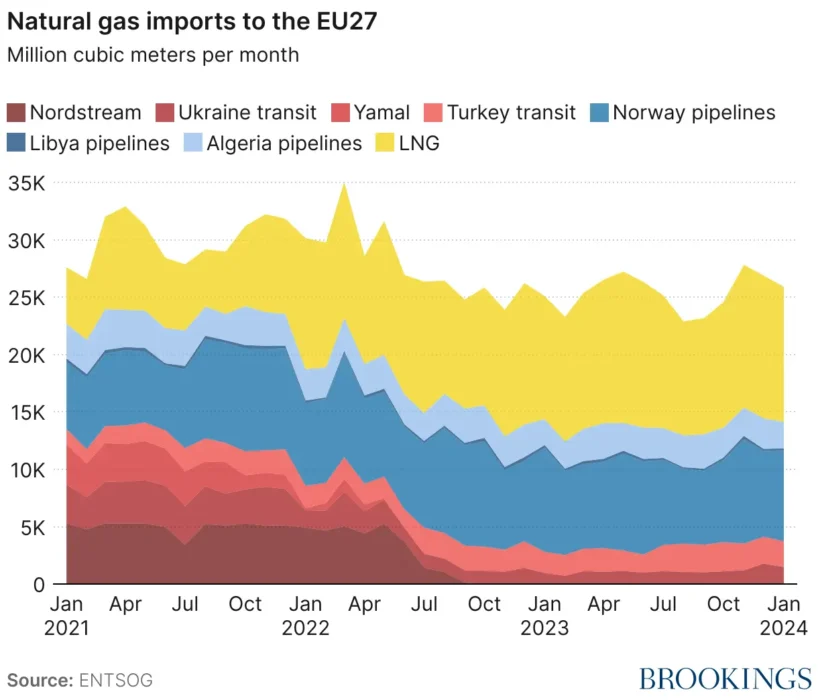
Before this crisis, dependency on Russian gas drastically shifted, as current data shows. In 2023, Europe still imported 14.8% of its total gas supply from Russia.
The PLACEHOLDERd07123722daf7b4b, presented in July at the Lugano conference, outlines approximately $130 billion in spending—equivalent to PLACEHOLDER640e325c22853703 of Ukraine’s 2021 GDP—to achieve energy independence.
Following the United States and EU’s implementation of gas restrictions on Russia’s Gazprom, Europe faced jeopardized energy security. Discussions arose between the EU and Ukraine to ease these restrictions. Europe has since accelerated projects to secure alternative energy supplies. A significant step has been taken, with the EU agreeing on a transshipment ban for Russian LNG, set to take full effect in March 2025.
The ongoing war in Crimea and disagreements with President Vladimir Putin have driven Ukraine to reach out to the EU Commission to explore new possibilities. Balancing political objectives with economic considerations will forge a new reality, requiring mutual agreement.
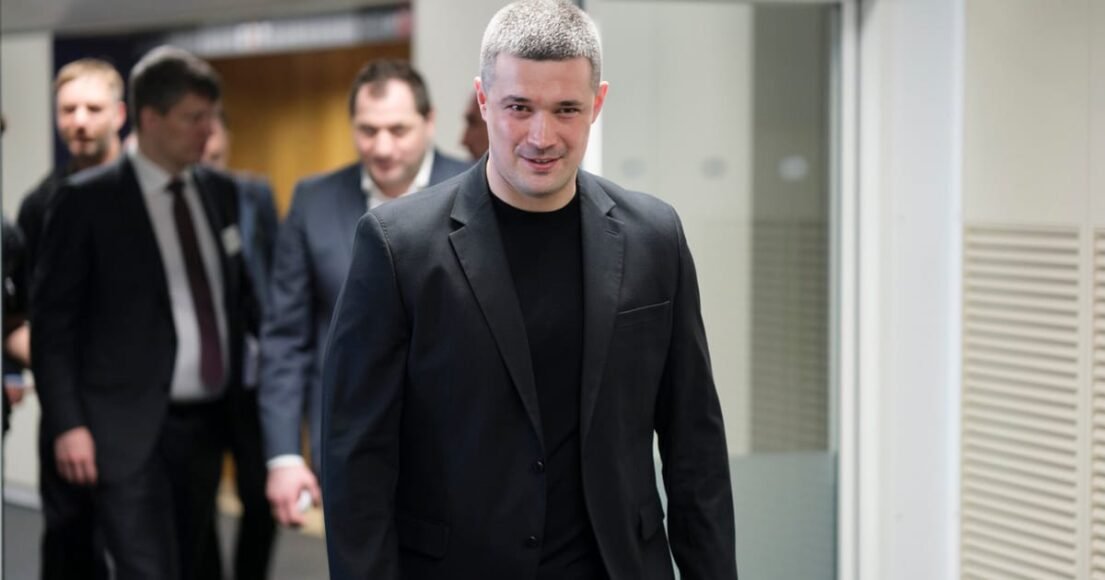
“As we approach the start of the new year, we need unity between the United States, the EU, and European countries,” Zelenskyy stated alongside Costa.
ENERGY DELIVERY AND SECURITY
Russia’s weaponization of energy has become a geopolitical strategy to challenge Western dominance and disrupt European stability. In response, Ukraine has set a goal to source 25 percent of its total energy mix from renewables by 2035.
Globally, this crisis underscores the urgency of national policies prioritizing a transition to renewable energy and reducing reliance on fossil fuels. Ukraine has embraced a leadership role in this transformation by prioritizing EU and global partnerships with energy stakeholders. Despite the ongoing crisis, these efforts could bolster Ukraine’s economy.
However, the energy crisis has caused significant infrastructure damage. Around 8 million households experienced unexpected power outages, and Kyiv faced its first unscheduled blackout since November 2022 (IEA). Such challenges leave Ukraine’s vulnerable communities especially at risk during the upcoming winter.
LONG-TERM IMPLEMENTATION
Ukraine is also contending with cybersecurity threats originating from Russia. The modernization of its energy sector is critical for the nation’s post-war recovery. Recent Russian attacks damaged critical energy facilities, including hydroelectric plants, transmission infrastructure, and network servers.
Despite these challenges, Ukraine’s resilience is evident through its efforts to rebuild and integrate with European energy systems. The determination to overcome this crisis, combined with international support and investments, highlights Ukraine’s path toward recovery.
Dear reader,
Opinions expressed in the op-ed section are solely those of





Leave a Reply