



Romania is no stranger to political turbulence, but the Constitutional Court’s recent decision to annul the presidential election marks an unsettling chapter. Citing the safeguarding of democracy from “foreign attacks,” the court has thrust the nation into a precarious limbo. President Klaus Iohannis, whose term was set to end, remains reluctantly at the helm as Romania braces for a redo at the ballot box. The allegations of Russian interference hang ominously over the process, evoking memories of a Cold War long thought buried. Then, as now, Romania – perched strategically at Europe’s eastern edge – was a coveted pawn in the great geopolitical chess game. Today, the weapons have changed: modern tools like social media provide new pathways for influence, muddying the waters of public trust and democratic integrity.
Georgescu’s unexpected first-round polling lead, securing 23 percent of the votes, unsettled Romania’s political landscape. The 62-year-old Independent – a former member of the nationalist Alliance for the Union of Romanians (AUR) Party and a staunch admirer of Vladimir Putin’s strongman image – has leaned into a platform rooted in nationalism and economic self-reliance. His pledges to bolster defense, curtail foreign investment, achieve agricultural independence, and withdraw national support for the Ukraine war have tapped into underlying public frustrations. The allegations of Russian interference, however, have sparked a wave of indignation, invoking memories of the hard-fought democratic freedoms secured in 1989. As the specter of Russia’s meddling looms large – with parallels drawn to its interference in Moldova, Hungary, and Slovakia – Romania is grappling with the vulnerability of its democracy.
Yet, Georgescu’s rise reflects more than foreign influence. His populist rhetoric struck a chord with Romanians grappling with mounting socio-economic despair. Economic progress has faltered, with GDP growth plummeting from 5.7 percent in 2021 to a meager 2.1 percent last year. Inflation and soaring food prices have left rural communities battling persistent poverty and limited access to essential services like healthcare. For many, frustration over domestic hardships has overshadowed foreign policy concerns. Georgescu captured this disillusionment with fiery declarations. As public interest pivots inward, support for Ukraine wanes – a stark reminder of the delicate balance between domestic and international priorities in shaping Romania’s future. This unprecedented unraveling has sparked uneasy questions about Romania’s institutions: Are they sturdy enough to withstand this storm? What does democracy mean when it teeters so close to manipulation? For Romanians, the stakes are more than symbolic. Their hard-won democracy now feels vulnerable, exposed to both internal fragility and external sabotage.
The lingering specter of Russian meddling proves one thing: the struggle for influence never really ended. Romania’s political crisis is a sobering case study in the fragility of modern democracies. Intelligence reports, bolstered by evidence from the United States, reveal a meticulously coordinated campaign of disinformation. Reportedly, thousands of pro-Georgescu TikTok accounts flooded Romanian social media with propaganda, inflating his profile while discrediting rivals. The operation’s scale and precision were unprecedented, signaling how deeply modern tools can corrode trust in elections. Political parties, blindsided and disoriented, are now scrambling to prepare for an unexpected rematch, while citizens are left staring into the void: Can they still trust the ballot box? The pro-European parties – once poised to dominate – find themselves with the uphill task of not only winning votes but restoring shattered faith in democratic systems. For Romania, this episode is not just political chaos; it’s an existential warning. The digital tools used in this campaign represent a new kind of warfare – less obvious than tanks and troops but no less destabilizing. The incident underscores vulnerabilities in even the most modern democracies, where hybrid attacks can now cross borders invisibly, warping truth and trust. Romania, a symbolic battleground of old, may have just glimpsed its future struggles.
Romania’s political crisis reveals a nation unraveling under the weight of distrust and division. At the heart of the storm is the annulment of the election, a decision that has sparked outrage within the Social Democratic Party (PSD), long a dominant force in Romanian politics. Alongside its coalition partners, the PSD has lambasted the Constitutional Court for overstepping its
Comments
One response to “How Disinformation Is Reshaping Romania’s Politics”
-
Isn’t it charming how democracy in Romania is just a game of musical chairs, only with more Russian bears lurking in the corners? 🎭🪑 Who needs stability when you can have a front-row seat to this political circus? 🤡

Last News

Japanese Retail Investment Poised to Grow with Seven & i Zabka Deal
Tokyo, July 16 Eurotoday — Japanese retail investment is back in focus after Japan’s Nikkei newspaper reported that Seven & i Holdings is nearing an agreement to invest in Poland’s leading convenience store chain, Zabka. If completed, the investment would strengthen Seven & i’s presence in Europe while expanding its international retail portfolio. Neither company has officially confirm
German Military to Participate in French Nuclear Exercise for the First Time
In a pivotal March speech, Macron announced that several European nations, including Germany, had committed to strengthening cooperation
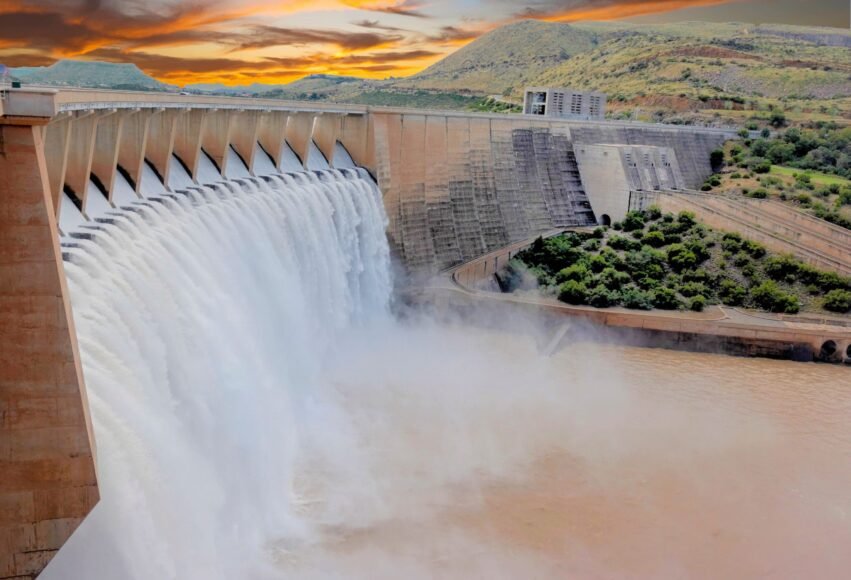
Rising Tensions in the Horn of Africa Overshadow Egypt-Ethiopia Water Dispute
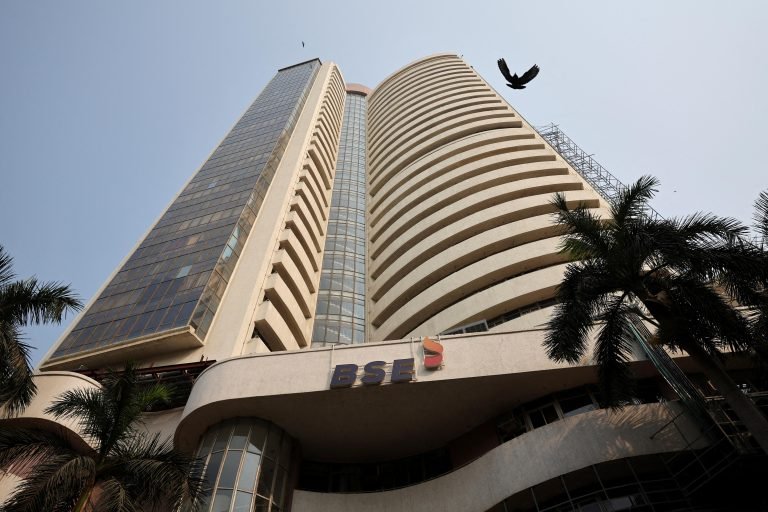
ICICI Prudential Profit Growth Boosts India Insurance Sector
Mumbai, July 15 Eurotoday Newspaper — India insurance sector remained in the spotlight after ICICI Prudential Life Insurance reported a sharp rise in quarterly profit, fueled by strong premium growth and steady demand for protection and savings products. The insurer’s latest earnings reflect continued resilience in India’s life insurance market as customers increasingly prioritize long-term fina

Parliament Recess: The Plotting Commences.
As they reconvene on August 31, lawmakers will immediately plunge into negotiations related to Parliament’s significant midterm reshuffle. Zoya Sheftalovich and Ian Wishart explore the behind-the-scenes maneuvering.
Additionally, Europe seeks to li

Innovative Olive Pit Asphalt Cuts Emissions
This initiative is part of the “Street of the 21st Century” municipal program, spearheaded by the Barcelona City Council, the BI
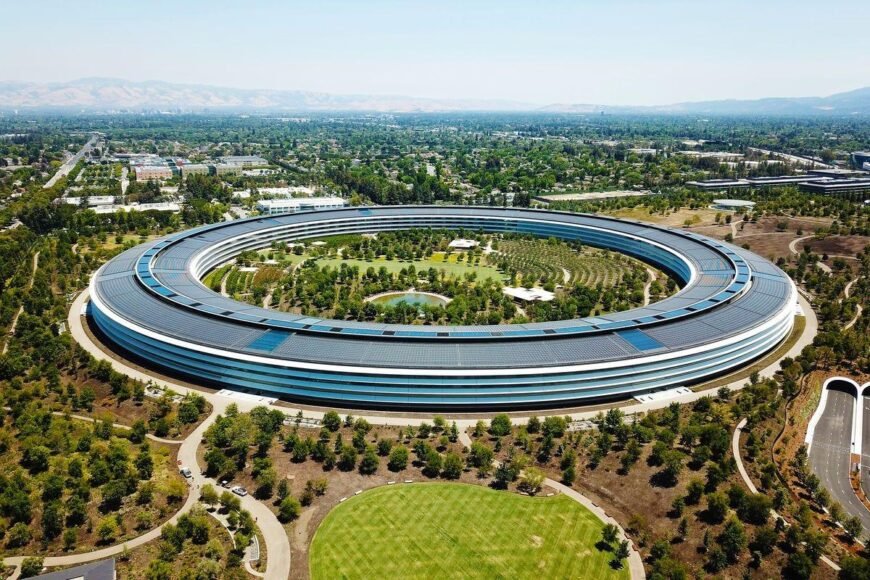
Apple Intelligence AI Service Registered with China’s Cyberspace Regulator
Beijing, July 15 Eurotoday Newspaper – Apple generative AI has reached an important milestone after Apple Intelligence was registered with China’s cyberspace regulator, a move that could pave the way for the company’s AI-powered features to launch in mainland China. The registration reflects Apple’s efforts to comply with China’s strict artificial intelligence regulations while expanding its lat
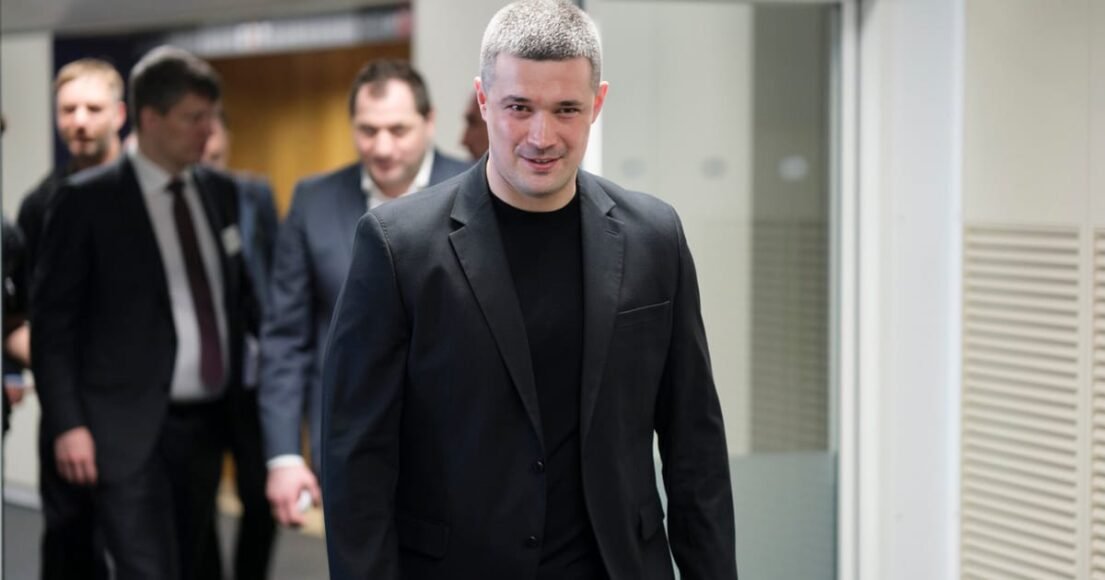
Zelenskyy Removes Fedorov as Defense Minister in Ukraine Government Reshuffle

Europe Rediscovers Traditional Heat Remedies
Fraich
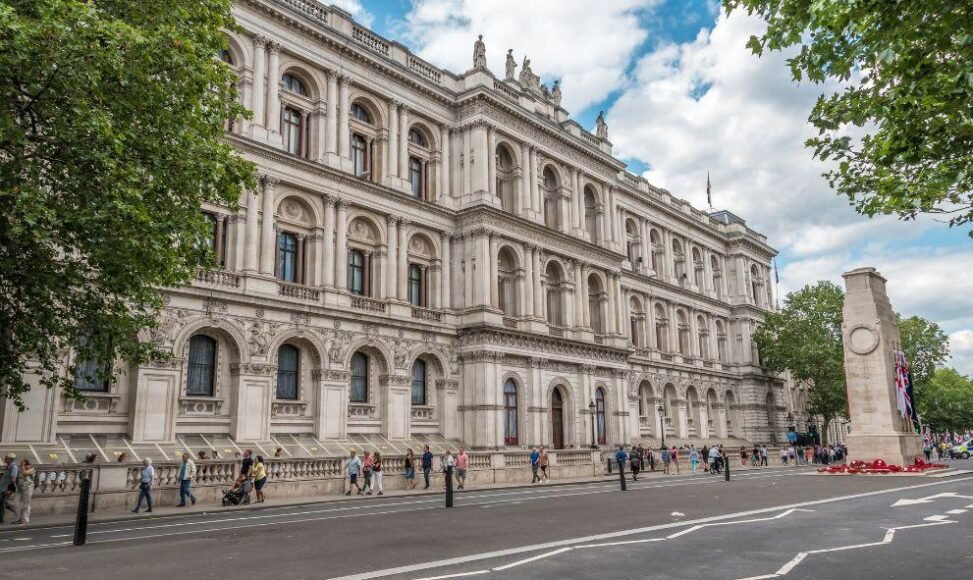
Family Reports: Briton Jailed in Iran Receives Additional Two-Year Sentence
London, July 15 Brussels Morning Newspaper – Iran espionage charges are once again drawing international attention after British citizen Craig Foreman was reportedly handed an additional two-year prison sentence while serving an earlier 10-year term in Iran. His family said the latest sentence followed a court hearing where he allegedly had no lawyer or translator, raising renewed concerns over
Leave a Reply