


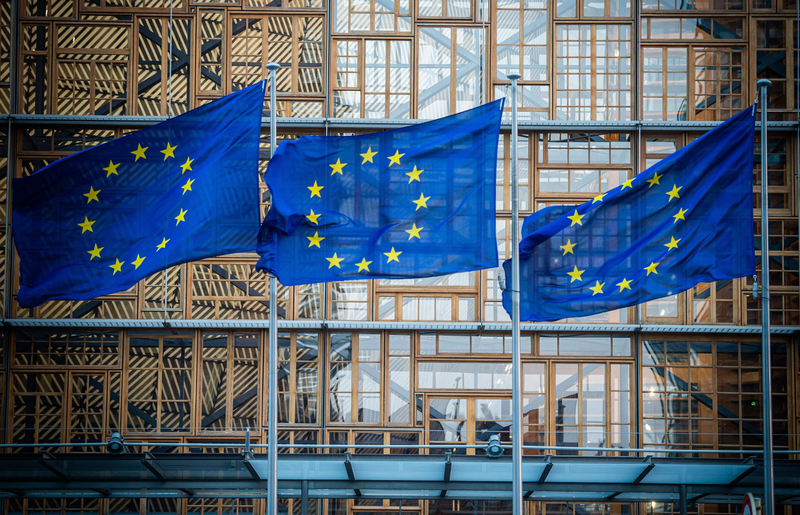
Brussels – The European Commission has allocated 13.5 billion euros in financial assistance to Germany. This funding is in recognition of the country’s progress in reforms related to climate and energy policies, as well as advancements in digitalization, as announced by the EU Commission on Monday. Key initiatives include the enhancement of the National Hydrogen Strategy and initiatives to promote clean mobility.
This financial aid is sourced from the ARF, or Recovery and Resilience Facility, which was established in response to the economic repercussions of the Coronavirus pandemic. Created in 2021, the fund aims to mitigate the financial impact of the crisis. The funding consists of loans that are meant to be repaid collectively by 2058.
EU Aid Requirements: Specific Goals Over Blank Checks
Germany is eligible to access a total of 30.3 billion euros, of which it has already received 19.75 billion euros, according to the EU Commission. The German Federal Ministry of Finance announced that the remaining 10.5 billion euros will be disbursed in 2025 and 2026. These funds are intended for various purposes, including the digitization of government services and initiatives to promote more environmentally friendly transportation, such as encouraging the use of electric vehicles.
To qualify for this assistance, EU member states must submit detailed plans outlining specific investment and reform projects. The disbursement of funds is contingent upon achieving predefined milestones and targets related to the execution of these reforms and investments. (December 23)









Leave a Reply