


Proposed Rewrite:
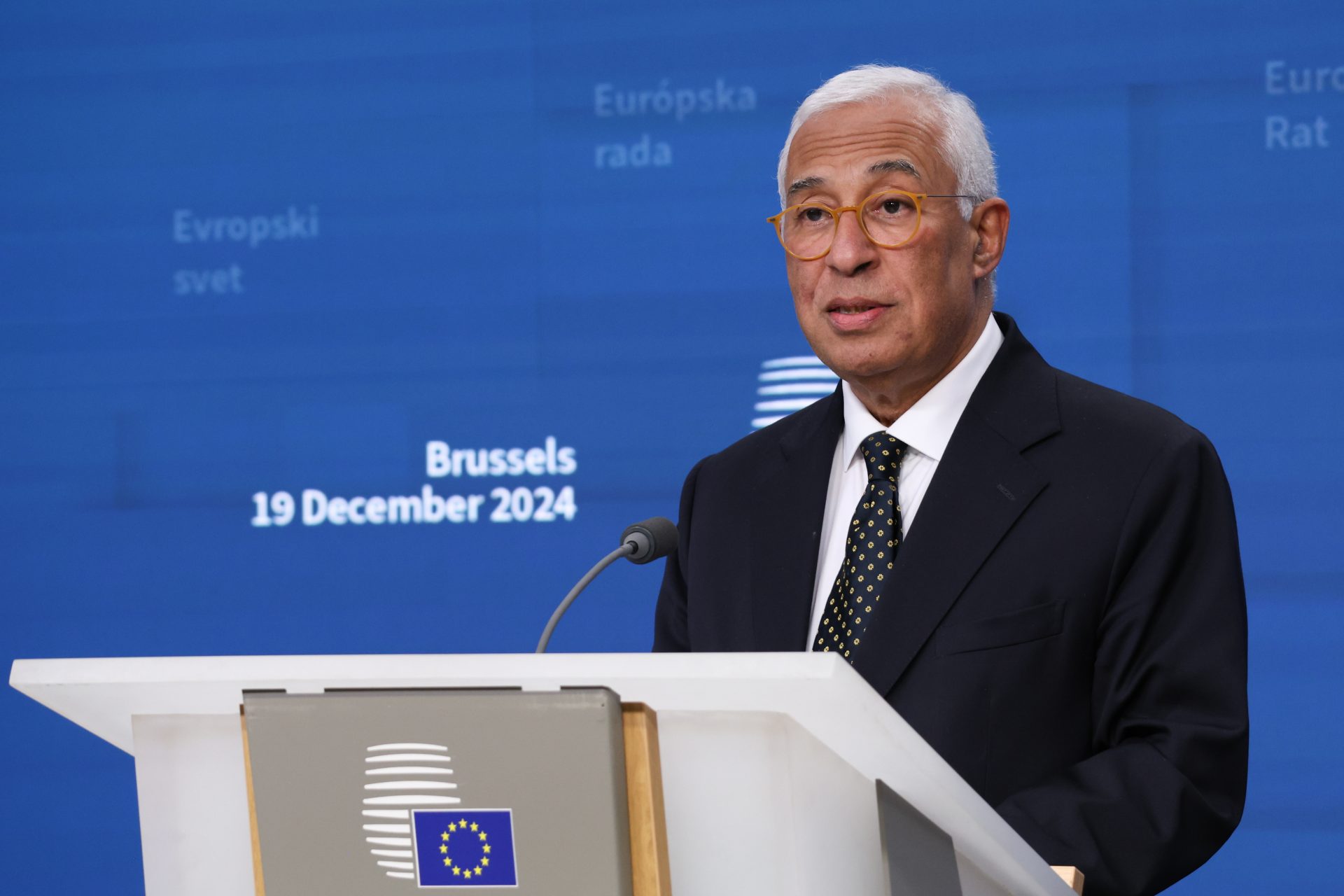
Today, António Costa, President of the European Council, denounced the “deliberate destruction” of critical infrastructure in the Baltic Sea following the severing of an underwater electric cable connecting Finland and Estonia. He pledged to take action within the European Union (EU) to address the threat posed by Russia’s so-called ghost fleet.
“I strongly condemn any intentional damage to Europe’s vital infrastructure. I am committed to enhancing the EU’s coordinated response and readiness, particularly in confronting the activities of Russia’s ghost fleet,” Costa stated on the social media platform X (formerly known as Twitter).
Costa has been in communication with the Prime Ministers of Estonia, Kristen Michal, and Finland, Petteri Orpo, to stay updated on the situation regarding the submarine cable incident. He praised the quick and assertive responses from both the Finnish and Estonian authorities.
In response to the cable damage, the North Atlantic Treaty Organization (NATO) announced plans to bolster its military presence in the Baltic Sea amid suspicions of sabotage linked to Russia. NATO Secretary-General Mark Rutte confirmed that an investigation is currently underway, led by Finland, to examine the potential sabotage of the submarine cables, ensuring “full solidarity and support” for both Helsinki and Tallinn.
Rutte also expressed a readiness to assist both Estonia and Finland, NATO members, in identifying those responsible for the incident.
Finnish authorities suspect that the oil tanker “Eagle S,” which is believed to be part of Russia’s ghost fleet used for transporting oil despite European sanctions, may have played a role in the cable’s disruption that occurred Wednesday.
On Thursday, the EU condemned the “deliberate destruction of infrastructure” affecting the community bloc’s member states in light of this latest cable severing.
The “Eagle S” has been intercepted and is currently located off the coast of Porkkala, approximately 30 kilometers from Helsinki, following a prompt intervention by a Finnish patrol boat.
The Russian ghost fleet is thought to consist of vessels transporting Russian oil and evading sanctions implemented after Moscow’s invasion of Ukraine in February 2022. These tankers significantly contribute to Russia’s financing of its ongoing military efforts.
Since the onset of the conflict, the Baltic Sea has witnessed several incidents, including the sabotage of the Nord Stream pipelines in September 2022, which previously transported natural gas from Russia to Germany. Authorities at the time regarded this as a sabotage incident and initiated a criminal investigation.








Leave a Reply