


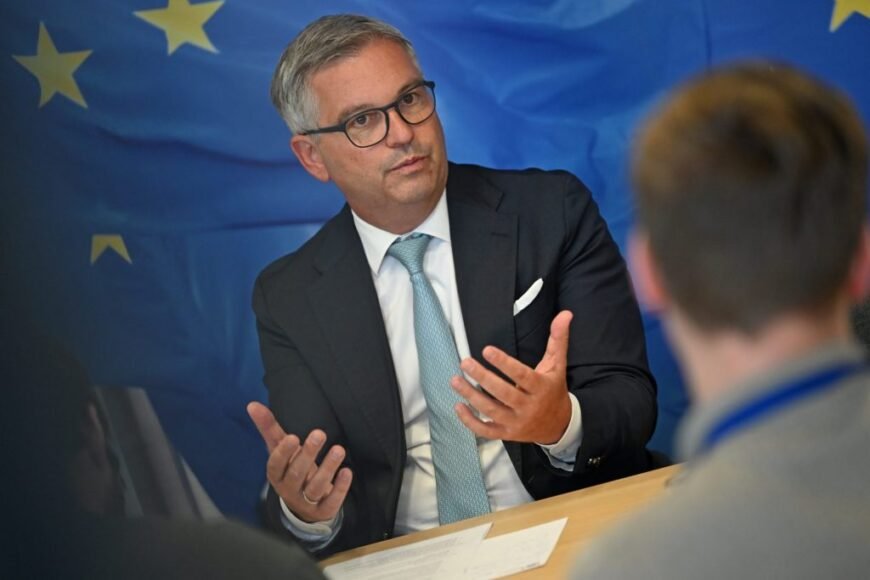
Brussels – During the EU Foreign Affairs Council meeting in Brussels, the Slovak Republic’s Minister of Foreign Affairs and European Affairs, Juraj Blanár, announced the approval to extend the exemption on exporting oil products derived from Russian oil to the Czech Republic for an additional six months. This information was reported by the TASR correspondent.
Blanár stated that the foreign ministers of all EU member states officially endorsed this decision on Monday, December 16, as part of the 15th sanctions package against Russia related to the ongoing conflict in Ukraine. Earlier, this matter was discussed by the ambassadors of the member countries in the EU (COREPER).
“This is a significant achievement for Slovak diplomacy that will benefit our economy and the citizens of Slovakia. We are grateful for the consensus reached and the constructive approach of the member states, who accepted our rationale for addressing energy security during the negotiations,” Blanár remarked.
He highlighted the importance of the exemption’s extension for the Slovnaft refinery in Bratislava, particularly concerning exports to the Czech Republic, and its relevance for diesel supply to Ukraine.
“The next six months will allow Slovnaft to implement necessary technological adjustments and finalize measures for resource diversification. The exemption from sanctions will also contribute to maintaining price stability in the fuel market, both domestically and across Central Europe, ensuring availability,” he explained.
The exemption on the export of oil products processed from Russian oil to the Czech Republic was initially approved last December, set to be valid until December 5, 2024. The recent decision by the EU member state ministers officially extended this exemption for another six months.
The exemption from the ban on purchasing, importing, and transiting oil and certain oil products from Russia into the EU remains in effect indefinitely for member states like Slovakia, the Czech Republic, and Hungary, which are particularly dependent on Russian supplies due to their geographical circumstances and lack feasible alternatives. (December 16)









Leave a Reply