


EU Urged to Strengthen Sanctions on Russian Fossil Fuels Amidst War in Ukraine
A coalition of organizations, including Business4Ukraine and the Ukrainian clean energy advocacy group Razom We Stand, has called on the European Union to go beyond incremental sanctions against Russia. Amid the ongoing war in Ukraine, they argue that loopholes in the EU’s sanctions regime allow billions of euros from Russian fossil fuel revenues to continue funding Moscow’s military aggression.
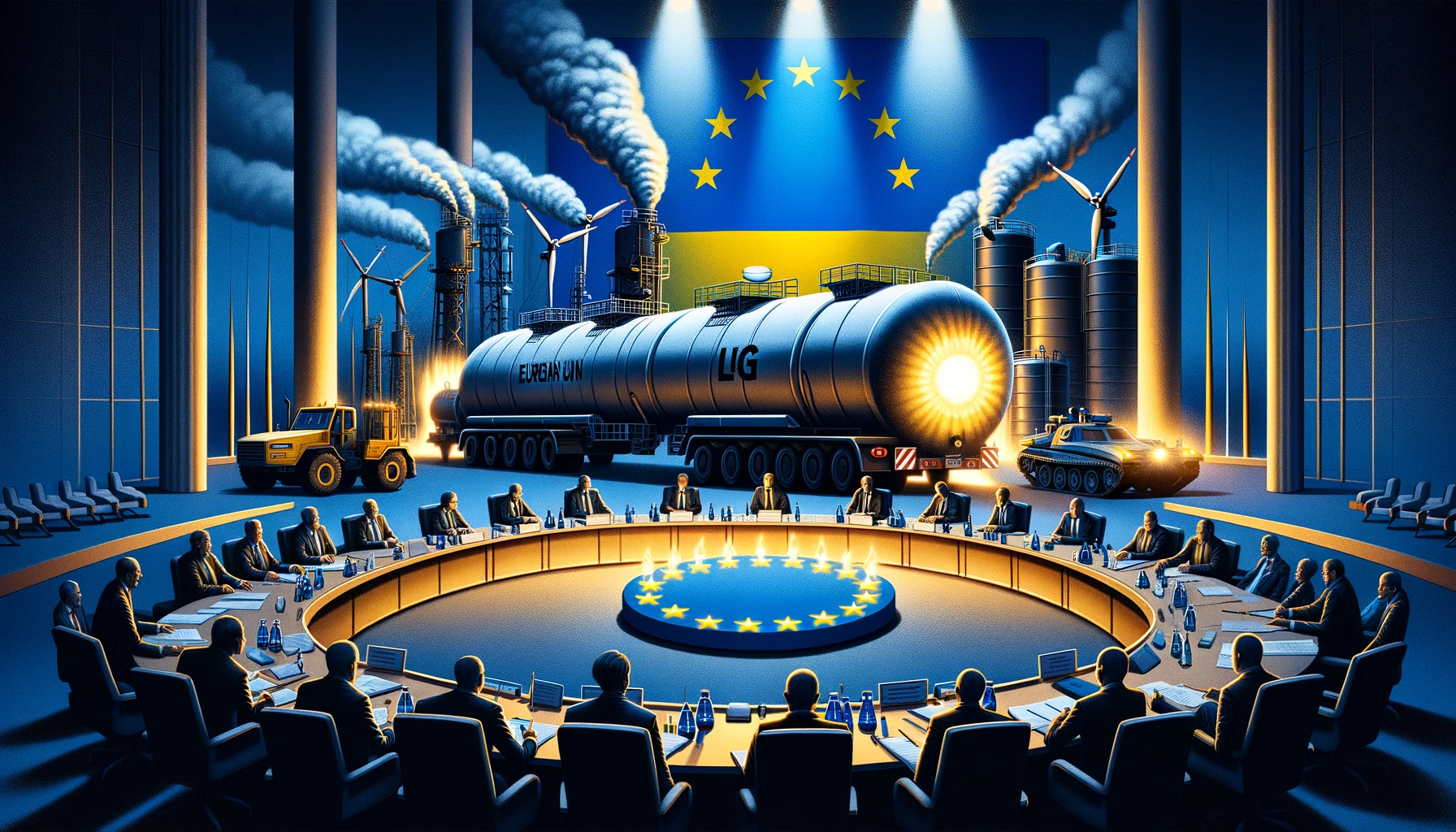
Despite being in its 15th sanctions package, the EU is still not addressing key gaps, including unrestricted imports of Russian liquefied natural gas (LNG), the operation of a so-called “shadow fleet” of oil tankers, and the continued import of refined oil products made from Russian crude. These gaps, the coalition warns, undermine the impact of sanctions and help finance Russia’s war efforts.
—
A Moral and Strategic Imperative
Svitlana Romanko, Founder and Director of Razom We Stand, stressed the humanitarian and ethical urgency of addressing these loopholes.
“Russia’s relentless war on Ukraine has left thousands dead, millions displaced, and our energy infrastructure shattered. Yet Europe inadvertently funds this brutality by allowing billions to flow into Putin’s war chest. Enforcing a complete ban on Russian LNG imports, cracking down on shadow fleets, and closing the refined oil loophole are not just policy necessities—they are moral imperatives to save lives, restore Ukraine’s sovereignty, and uphold international law,” she said.
Nezir Sinani, Executive Director of Business4Ukraine, echoed these sentiments, emphasizing the need for decisive action rather than half-hearted measures.
“Fifteen rounds of sanctions should leave no room for excuses. The EU must mobilize political will to close these gaps immediately. It’s time to cut off Kremlin's war funding once and for all.”
—
The Human, Economic, and Environmental Toll
Russia’s invasion of Ukraine has resulted in over 1 million casualties and approximately $500 billion in damages. The war shows no signs of abating, as evidenced by a recent missile attack in Zaporizhzhia that killed eight civilians.
Since the invasion began, the EU has purchased an estimated €210 billion worth of fossil fuels from Russia. This equates to more than €468 per EU citizen being spent on Russian energy, indirectly bolstering the Kremlin’s war budget.
Even as Europe invests heavily in sanctions, these loopholes continue to enable Russia’s fossil fuel revenue stream. Existing sanctions are estimated to have reduced Russian fossil-fuel export revenues by €3.5 billion per month, an overall 12% decrease. However, lax enforcement has allowed Russian crude oil export earnings to increase by 5% in the first eleven months of 2024, compared to the same period in 2023. This rebound has fueled a 58% rise in Russian military spending for 2024, its highest level since the Soviet era.
—
Key Loopholes in EU Sanctions
Despite efforts to curb Russia’s revenue, there are three main loopholes weakening the EU’s sanctions regime:
1. Ongoing LNG Imports:
The EU remains a major market for Russian LNG, purchasing more than half of all Russia’s LNG exports since the invasion, even though LNG accounts for only 5% of the EU’s gas consumption. Fully banning Russian LNG imports would significantly harm Kremlin revenues with minimal impact on Europe’s energy security.
2. Unregulated Shadow Fleet Operations:
Russia’s shadow tanker fleet, consisting of over 600 underinsured and outdated vessels, circumvents the G7 oil price cap and poses severe environmental risks. These tankers, many operating in EU-adjacent waters, engage in opaque and unregulated practices. Stronger enforcement measures are needed to prevent economic and ecological disasters.
3. The Refining Loophole:
Russian crude oil is refined into products like diesel and jet fuel in countries such as India and Turkey, which are then imported into the EU. This practice bypasses sanctions and perpetuates Kremlin revenues. Banning imports of products derived from Russian oil could close this loophole without significantly affecting European markets, as demonstrated by the Czechia exemption.
—
Wider Implications for Climate and Security
The coalition emphasized that sanctions on Russian fossil fuels are pivotal, not only to weaken Russia’s war machine but also to meet global climate goals. According to Razom We Stand’s recent report, “Bridging the Gap Between Peace and Climate Action”, stricter sanctions on Russian energy could:
– Reduce Russia’s upstream greenhouse gas emissions from oil and gas by 25% by 2030.
– Cut 300 million tons of CO₂ annually if renewables replace Russian energy in Europe and Asia.
Strong sanctions on fossil









Leave a Reply