



Javier Milei has been in office for a little more than a year, and more and more people are describing him as a saviour of Argentina. His popularity in Argentina and abroad skyrocketed, and nowadays, Javier Milei is the second most popular politician in the world. However, at the beginning of his presidency, everything wasn’t so wonderful, and he has been struggling to implement at least half of the reforms that he proposed.
The main concern for the Argentinian population was hyperinflation, and during the election campaign, Milei had promised to make the fight against inflation his top priority, which he later succeeded.
Right after taking office, Milei presented his economic program with an omnibus law “Ley Bases” with over 600 measures and an emergency decree “Decretos de Necesidad y Urgencia” with around 300 measures. Although the parliament did not permit to implementation of all of these measures, some of the most important were put into practice. Later, he started to reduce state spending by abolishing several ministries and subordinate authorities. Ten government departments had been disbanded, public infrastructure projects had been put on hold, and local government funding had been drastically reduced when Milei took office. Wages and salaries in the public sector, as well as pensions and subsidies in transport were decreased. He reversed Argentina’s budget and trade deficits, enabling the country to see a surplus for the first time this year.
This year, inflation has decreased from a rather high 25% to 5%, enabling the central bank to finally lower interest rates and pave the ground for the projected economic rebound under Milei.
He has devalued the Argentine peso by 50%, causing it to decline by 2% every month. The decision was made to bring closer Argentina’s official and unofficial currency rates. This will make it easier to make more investments and reduce the amount of imports that Argentinean consumers and businesses must make.
There were two immediate effects of these actions. The first is the sharp decline in GDP as a result of government spending cuts, which left households with less money to spend. The second was a significant rise in poverty, which went from 40% to 52% in a single year and rising inflation as a result of the peso’s depreciation. In November 2023, inflation was 12%; by December, it had risen to 25%.
However, inflation began to decline from 25% to 3% in the final months as the austerity policy began to reach its zenith. By worldwide standards, it is undoubtedly high, but not by Argentinean ones. In the year 2023, Argentina had highway inflation in the world -211%. Above that, salaries in Argentina are beginning to rise at the quickest rate ever—roughly 6%. The export rate began to rise, and this year, it has reached almost $45 billion, up 14.8% from the previous year. Argentina is attempting to become more independent from its suppliers and to rely more on domestic manufacturing, as seen by the 25.9% fall in the import rate.
Argentina has favourable conditions for investments in the energy and raw materials sectors in addition to its abundance of agricultural products. In addition to having significant reserves of gas and hydrogen and a climate that is conducive to renewable energy, the nation also possesses valuable raw materials, including copper and lithium, which is crucial for battery manufacturing and is one of the three countries with the largest reserves of these raw material after Chile and Australia. Prior Chinese investments in northern Argentina have generated controversy due to their effects on the local population and environment. However, Western nations are currently working towards greater energy and raw material independence from authoritarian nations like China and Russia due to geopolitical and economic dangers. As a country that supports democratic values and has some resources that are beneficial for the European and American markets, Argentina offers considerable potential for the Western world, and it depends on Milei’s government- if it wants to use this possibility to enrich Argentina’s economy even more. Knowing Milei, he will not miss this opportunity. It is just a question of time.
Summarising, the success of Milei’s reforms will depend heavily on their implementation, the ability to secure legislative backing, and how they address the immediate challenges of economic inequality and political polarization. Ultimately, his leadership marks a pivotal moment for Argentina, promising bold transformation but carrying significant risks that could reshape the nation’s economy and social life.
Dear reader,
Comments
2 responses to “One Year of Milei in Argentina: The Rise of an Extraordinary Politician”
-
Blimey, a year of Milei and suddenly Argentina’s the new poster child for economic miracles—who needs a magic wand when you’ve got a 50% devaluation, eh? 😏 I suppose when life gives you lemons, you just make them more expensive! 🍋💸
-
Just what Argentina needed: a political whirlwind who turned hyperinflation into a party trick! 🎩💸 Let’s hope he’s got a backup plan for the 52% poverty rate, or we’ll be needing a miracle, not just reforms! 😅

Last News

Morocco’s Ambitious Plan to Construct the World’s Largest Football Stadium
The stadium will be situated in the El Mansouria region, about 38 kilometers north of Casablanca, with a capacity of 115,000 spectators. It will feature modern architecture with 32 monumental entrances, incorpora
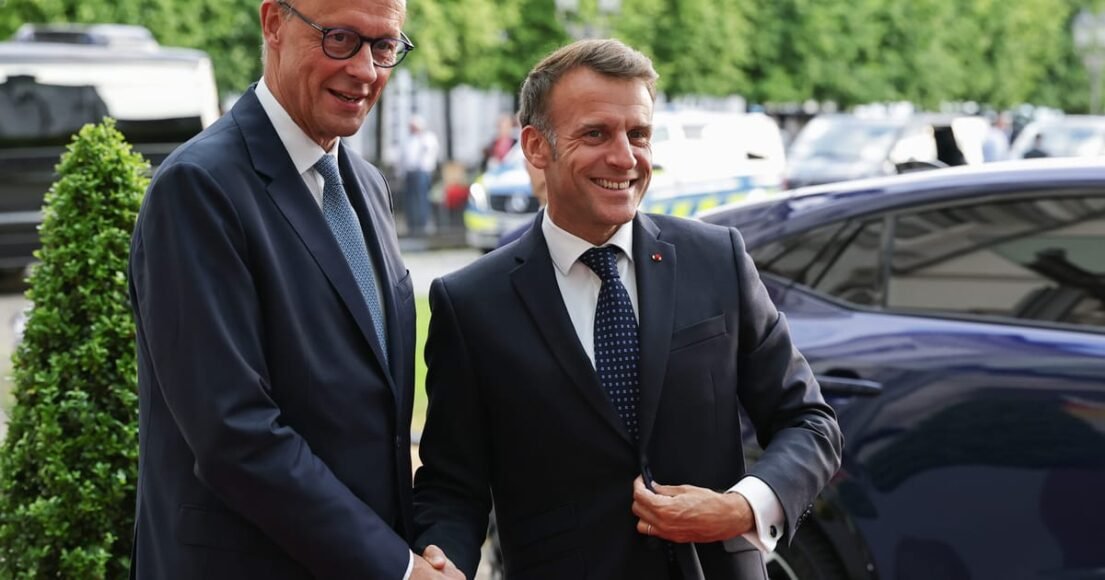
Merz and Macron Commit to Swift Action on EU Priorities Before Possible Le Pen Presidency
Merz emphasized the urgency. “Collaboration between Germany and France is essential when Russia threatens our security, the People’s Republic of China challenges our economy, and the transatlantic partnership is no longer a
US Equity Funds Face Outflows Amid Decline in Chip Stocks: Federal Reserve News
Washington, July 17 Eurotoday — Federal Reserve news remained a key focus for investors as US equity funds posted fresh outflows during the latest reporting period. A broad decline in semiconductor stocks weakened market sentiment, prompting investors to reduce exposure to technology-focused funds. Concerns over interest rate expectations, corporate earnings, and slowing momentum in high-growth
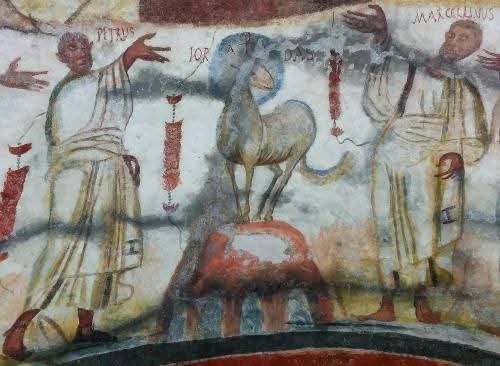
Can a Priest Be Stripped of His Rank?
Green Boss Polanski Says Burnham Can’t ‘Sit on the Fence’ Like Starmer
He informed POLITICO that the Green agenda, featuring wealth taxes, rent controls, and measures
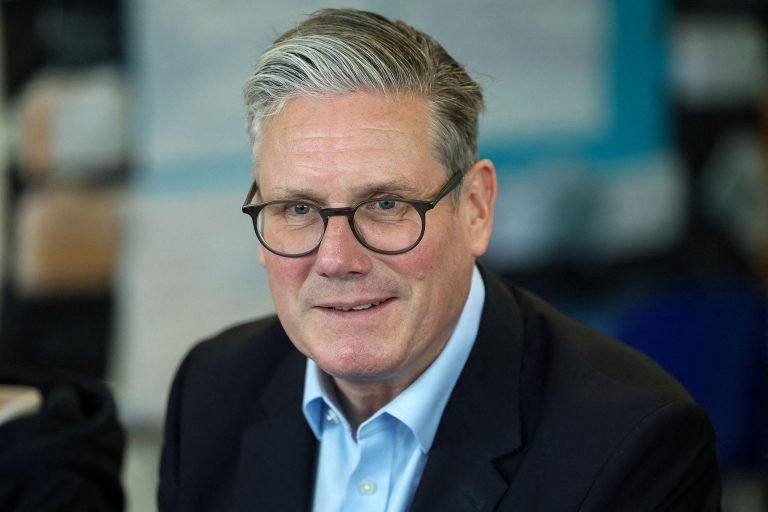
Starmer’s Issue: "He Isn’t a Politician"
Andy Burnham is due to be named leader of the Labour Party on Friday, before he becomes prime minister on Monday.
The outgoing mayor of Manchester will be confirmed as Keir Starmer’s successor at a special party conference in central London later on Friday (17 July).
He replaces Sir Keir Starmer who spent just two years in office.
This site canvassed opinion on what is a momentous day in British
Drink Water to Combat Fatigue and "Brain Fog"
The recommendation of 30-35 ml per kilogram of weight doesn’t suit everyone.
Water isn’t just a fundamental physiological necessity – it regulates every bodily process. The fluid around cells aids nutrient transport, intercellular communication, and waste removal. Inadequate hydration puts the body under stress, showin
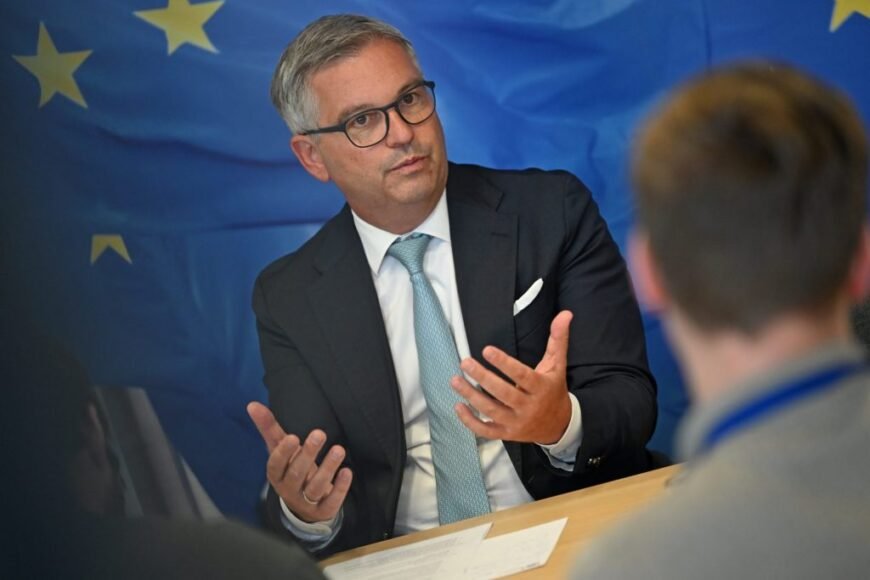
To Join the EU or Not? An Interview with Migration Commissioner Magnus Brunner
Magnus Brunner, the European Commissioner for Internal Affairs and Migration, expressed optimism in a recent interview with the European Newsroom. He noted that member states have started to apply th
Energieintensive Industrie kritisiert ETS-Reform

Smoking: A "Devastating Dependence" and "Disease Burden from Combustible Tobacco"
The current revision of EU legislation on tobacco has soared up the political agenda of late, with debate fiercely raging on how any new laws should look.
Dr Garret McGovern is an ardent advocate of ready access to safer nicotine products as an alternative to smoking.
In an exclusive Q&A with this site, he insists family members can “reap the benefits” of loved ones who smoke switching to e
Leave a Reply