



Brussels – The EU Council reached an agreement on a proposed framework for Financial Data Access (FIDA) that aims to enable financial institutions to access each other’s customer data.
According to the European Council, improved data sharing would allow market participants to offer consumers highly personalised financial products and services, such as tailored investment opportunities, smoother loan application processes, or lower interest rate products. This initiative seeks to foster a more competitive financial sector and improve access to financial services for consumers, including private individuals and small and medium-sized enterprises (SMEs).
How will the EU ensure customer protection in data sharing?
The EU Council explained that the proposal aims to achieve this by creating harmonised rules on what data can be shared and how it should be shared, while promoting transparency and comparability. It also ensures that data holders are adequately compensated for making their data available. To safeguard fair customer protection, the framework guarantees that customers maintain effective control over their data. Additionally, it empowers the European Supervisory Authorities to issue guidelines to protect against unfair treatment or risks of exclusion.
As outlined by the Council, its position largely supports the European Commission’s original proposal and follows a phased approach to implementing the new regime. It specifies the scope by detailing the particular data sets, products, or sectors that the regulations will apply to, as well as setting a timeline for the data-sharing obligations to take effect.
The EU Council also tightened rules overseeing third-country financial information service providers (FISPs), which are entities permitted to access and utilise customer data to offer services such as financial advice and personal financial management. Furthermore, entities designated as gatekeepers will be subject to strict regulation and oversight to ensure fair competition.
Comments
Last News
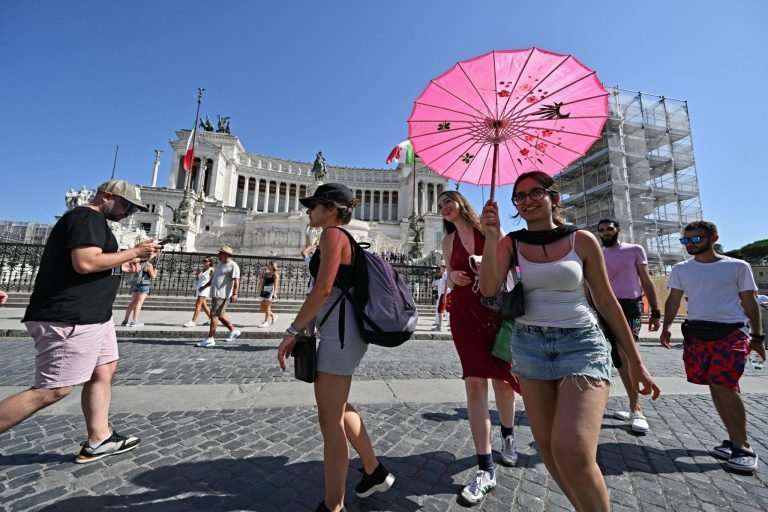
Concerns Over Extreme Heat in France as Rome Offers Free Cinemas to Escape Summer Temperatures
Rome, July 22 Eurotoday Newspaper — Rome free cinema screenings will be offered across the Italian capital as city officials introduce a new measure to help residents escape soaring summer temperatures. The initiative allows people to watch films free of charge in air-conditioned cinemas during the hottest parts of the day, providing relief while Europe continues to experience prolonged heatwave
Brussels Targets Google — Potentially Huge Costs Ahead

Number of Russians Who Purchased the New Volga
The flagship Volga K50 crossover is the top choice, with 55 units registered. It comes in three trims, priced from 4,344,900 rubles (around 48,300 euros) to 4,799,000

MCC Brussels at Three: A Contested Voice in Europe’s Political Debate
The Brussels-based institution is part of the wider Mathias Corvinus Collegium (MCC), a Hungarian educational and research organisation. Since its establishment in Brussels, it has sought
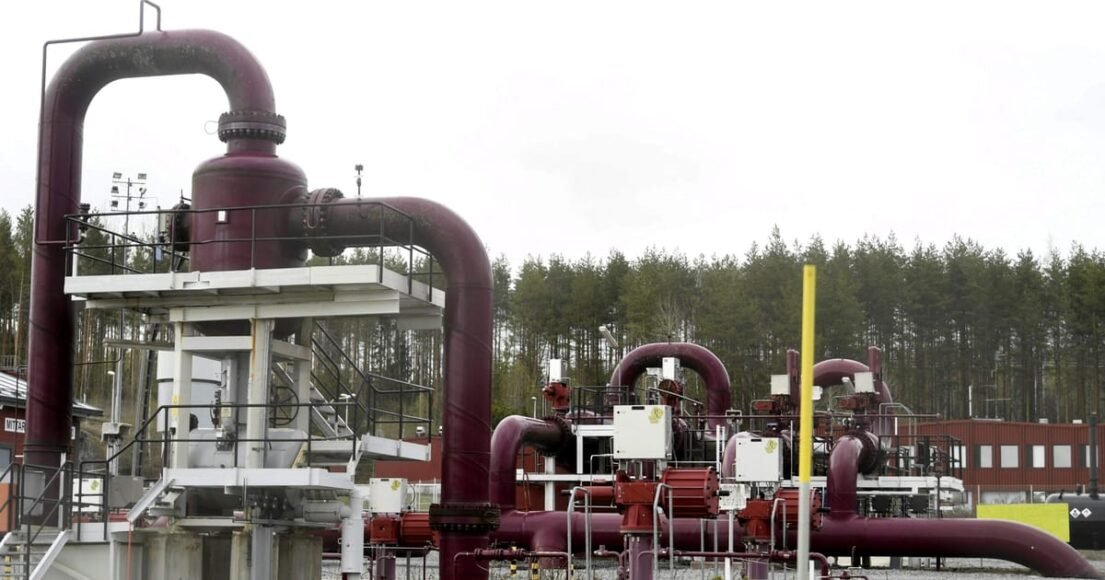
NATO Approves €27 Billion Overhaul of Cold War-Era Fuel Network
Countries have been negotiating for months on the overhaul of the alliance’s 10,000-kilometer Cold War-era pipeline network, intended to connect NATO
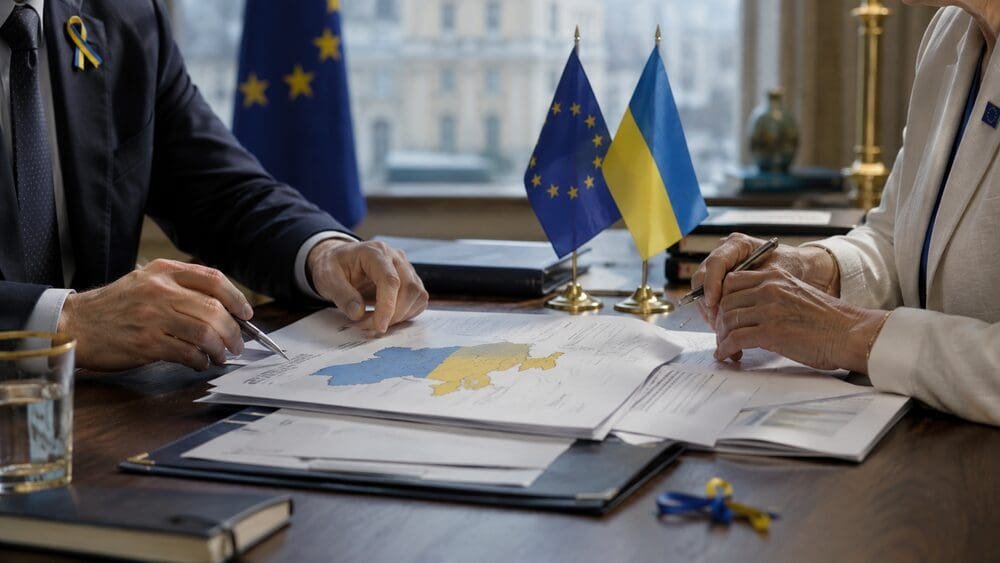
UK Joins Ukraine Loan Framework
EU Approves UK’s Role in Ukraine Loan, Linking Security Cooperation to Oversight
EU countries have agreed to the UK’s involvement in the €90 billion Ukraine Support Loan, expanding Kyiv’s financial resources and supplier access for maintaining public services and civilian protection through 2026 and 2027. This move, announced in Brussels, is part of rebuilding EU-UK security ties centered on Ukr

Bologna Seeks Answers After Fakir’s Death

Greece Disrupts EU’s Russia Sanctions Strategy
Ireland, currently holding the rotating Presidency of the Council of the EU, proposed on Wednesday that European gas tankers be allowed to export Russian liquefied natural gas (LNG) to third countries until January 2029. The proposal, which was reviewed by POLITI
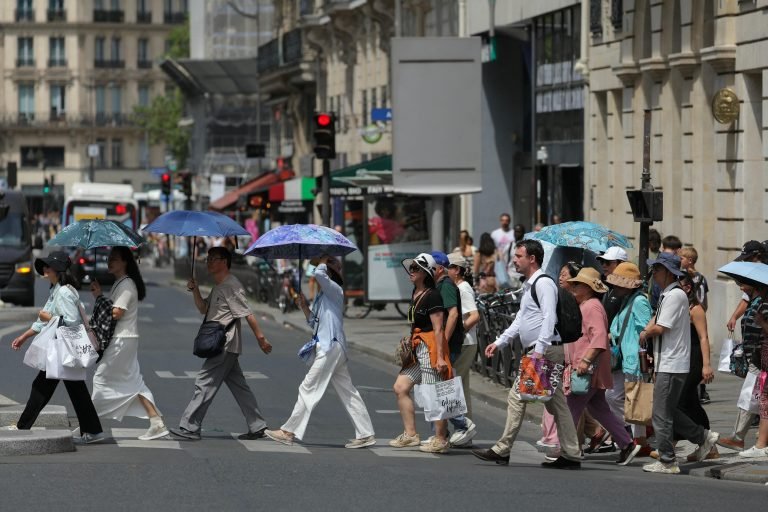
France Records 5,764 Excess Deaths During June-July Heatwaves
Paris, July 22 Eurotoday Newspaper — France excess deaths reached 5,764 during the June and July heatwaves, according to a report released by Santé publique France. The health agency said prolonged periods of extreme heat led to thousands of additional deaths above normal seasonal levels, underlining the continued public health risks posed by increasingly intense summer temperatures.
Heatwave

A Plea for the Release of 95-Year-Old Chairman Lee from Pretrial Detention in South Korea
For a month, Chairman Lee (Lee Man Hee, born in 1931), the founder and spiritual head of the Shincheonji Church, has been in pretrial detention since his arrest on June 24, 2026, making him possibly the oldest prisoner in the world, despite not being found guilty of any crime.
This
Leave a Reply