



Strasbourg (Eurotoday) – The European Parliament postponed Anti-Corruption Directive trilogues, citing concerns over Hungary’s corruption and democratic standards.
The European Parliament’s negotiators on the Anti-Corruption Directive chose to delay trilogues with the European Council on the Directive until the start of the Polish Presidency of the EU Council, beginning from 1 January 2025.
The EU Parliament‘s lead rapporteur from Renew Group, Raquel García Hermida-Van Der Walle together with the majority of shadow negotiators from the other political parties, voiced deep concern regarding Hungary’s systematic corruption and deterioration of democratic standards under its current government and strongly challenged the Hungarian Presidency of the Council’s ability to lead unbiased debates on corruption.
What concerns did MEP García Hermida raise about Hungary?
In her remarks, Spanish-Dutch MEP Raquel García Hermida-Van Der Walle described the decision: “This Hungarian government cannot be in the driver’s chair on the Anti-Corruption Directive. It would be like debating the fences of the hen pen with the fox himself. The Fidesz government’s history of eroding the rule of law, widespread state corruption and cronyism, and lack of transparency severely damage its credibility in leading negotiations on this Directive designed to strengthen anti-corruption measures in the EU.”
She further stressed that while Renew Europe remains determined to advance the fight against corruption and promote democratic accountability within the EU, “we cannot turn a blind eye to the apparent contradictions posed by Hungary’s Presidency in this critical context.”
“The integrity and credibility of all EU institutions and this crucial piece of legislation must remain intact. Therefore, with the Polish Presidency less than a month away, it is in the best interest of our Union and our citizens to wait until then to start the talks with Council on the Directive”, García Hermida-Van Der Walle added.
Comments
Last News

Austria Converts Hitler’s Birthplace into Police Station
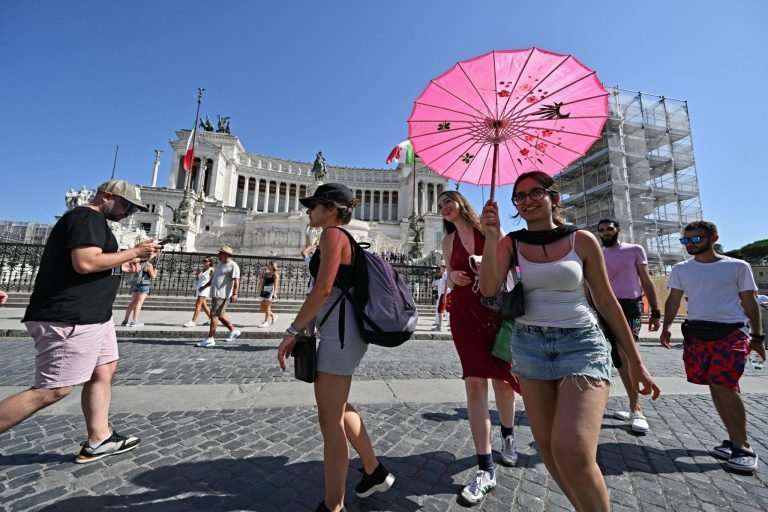
Concerns Over Extreme Heat in France as Rome Offers Free Cinemas to Escape Summer Temperatures
Rome, July 22 Eurotoday Newspaper — Rome free cinema screenings will be offered across the Italian capital as city officials introduce a new measure to help residents escape soaring summer temperatures. The initiative allows people to watch films free of charge in air-conditioned cinemas during the hottest parts of the day, providing relief while Europe continues to experience prolonged heatwave
Brussels Targets Google — Potentially Huge Costs Ahead

Number of Russians Who Purchased the New Volga
The flagship Volga K50 crossover is the top choice, with 55 units registered. It comes in three trims, priced from 4,344,900 rubles (around 48,300 euros) to 4,799,000

MCC Brussels at Three: A Contested Voice in Europe’s Political Debate
The Brussels-based institution is part of the wider Mathias Corvinus Collegium (MCC), a Hungarian educational and research organisation. Since its establishment in Brussels, it has sought
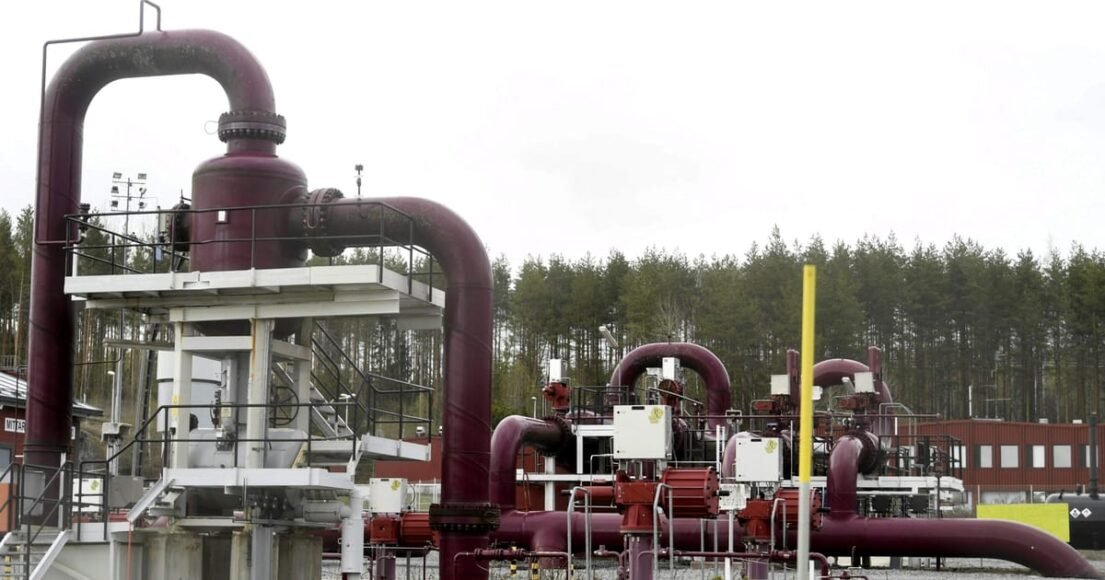
NATO Approves €27 Billion Overhaul of Cold War-Era Fuel Network
Countries have been negotiating for months on the overhaul of the alliance’s 10,000-kilometer Cold War-era pipeline network, intended to connect NATO
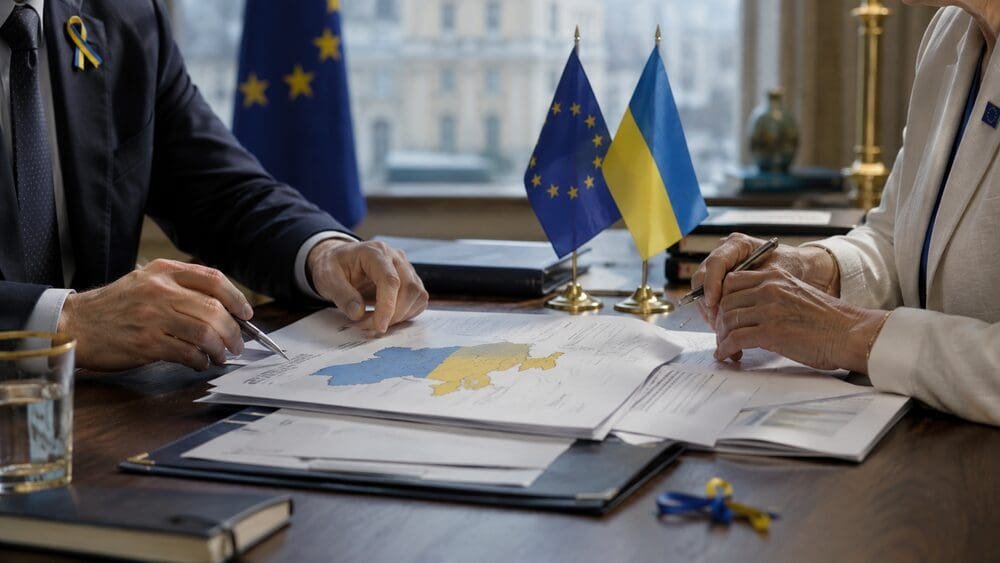
UK Joins Ukraine Loan Framework
EU Approves UK’s Role in Ukraine Loan, Linking Security Cooperation to Oversight
EU countries have agreed to the UK’s involvement in the €90 billion Ukraine Support Loan, expanding Kyiv’s financial resources and supplier access for maintaining public services and civilian protection through 2026 and 2027. This move, announced in Brussels, is part of rebuilding EU-UK security ties centered on Ukr
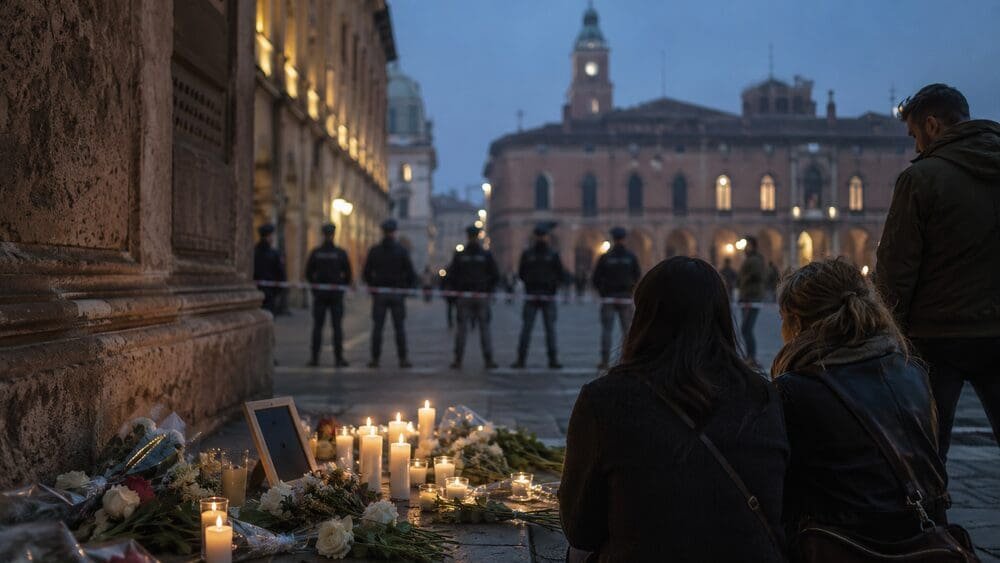
Bologna Seeks Answers After Fakir’s Death
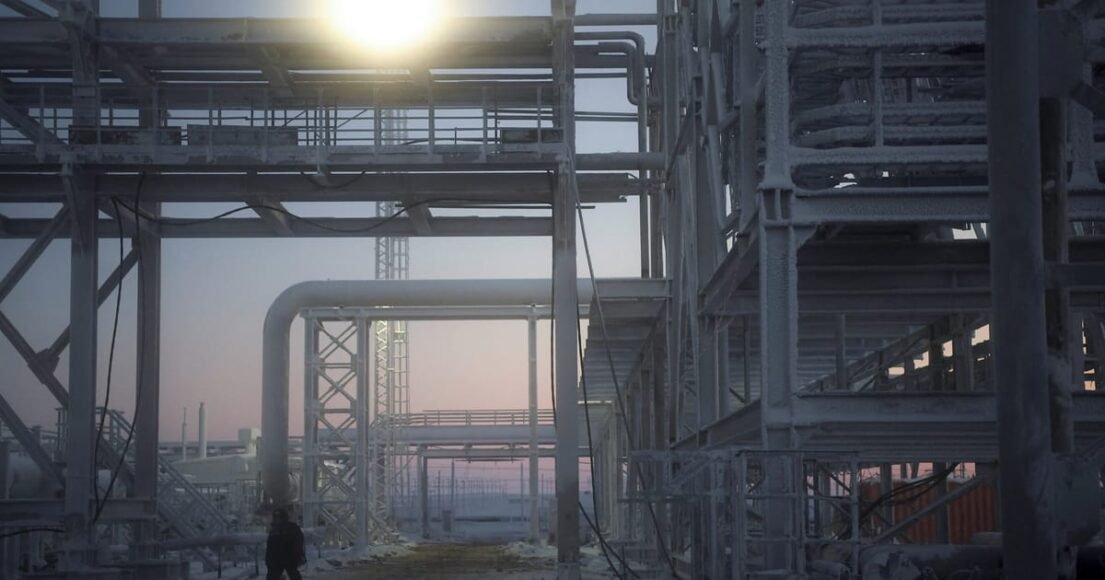
Greece Disrupts EU’s Russia Sanctions Strategy
Ireland, currently holding the rotating Presidency of the Council of the EU, proposed on Wednesday that European gas tankers be allowed to export Russian liquefied natural gas (LNG) to third countries until January 2029. The proposal, which was reviewed by POLITI
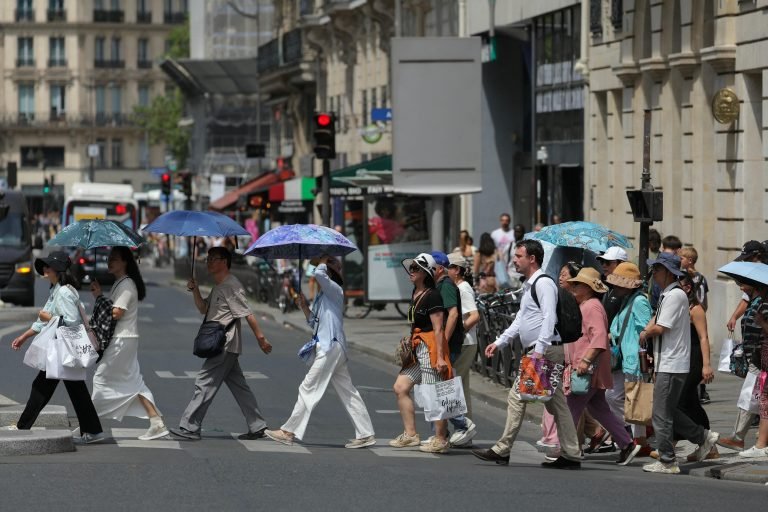
France Records 5,764 Excess Deaths During June-July Heatwaves
Paris, July 22 Eurotoday Newspaper — France excess deaths reached 5,764 during the June and July heatwaves, according to a report released by Santé publique France. The health agency said prolonged periods of extreme heat led to thousands of additional deaths above normal seasonal levels, underlining the continued public health risks posed by increasingly intense summer temperatures.
Heatwave
Leave a Reply