


The escalating crisis at Germany’s largest company poses significant challenges for Merz, who vowed to reform the economy and revitalize the industrial sector upon taking office in 2025.
Instead, automotive suppliers, chemical firms, and other manufacturers are facing job losses, high energy costs, and a surge in Chinese exports threatening vital industries.
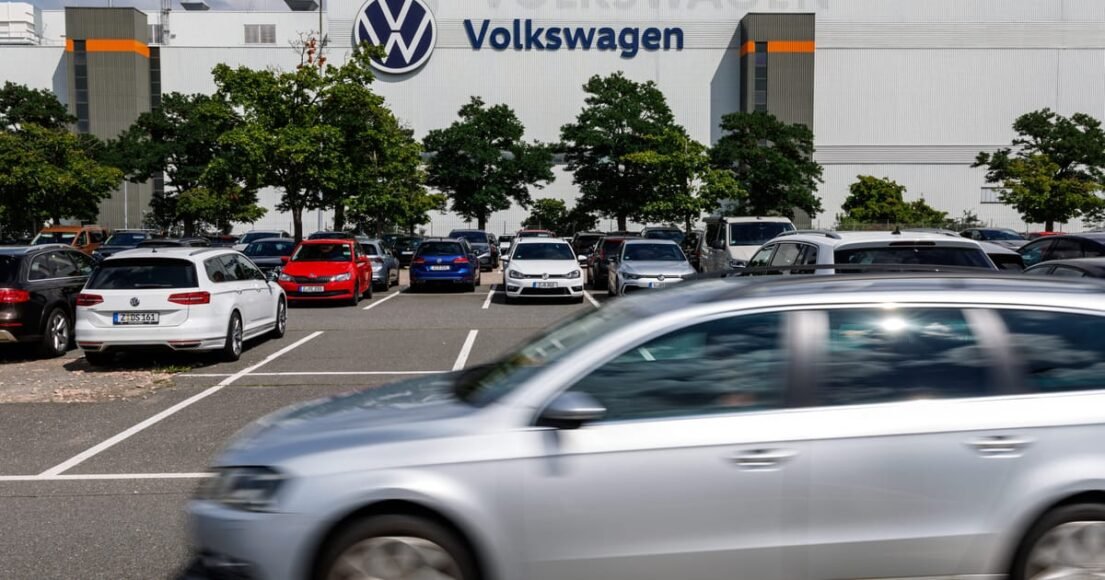
These concerns are intensifying around VW, a major industry player with over 280,000 employees in Germany.
“The crisis at VW is impacting the national sentiment. VW represents German social capitalism like no other,” said Klaus Dörre, a sociologist focusing on right-wing populism and industrial changes.
Unions and politicians are pledging resistance if Blume proceeds with his proposed cuts.
“We will oppose any plan that depicts plant closures and industrial job reductions as an overly simplistic solution,” said a spokesperson for Olaf Lies, the Social Democratic Party premier of Lower Saxony, where Volkswagen is based.






Leave a Reply