


“It’s crucial that we consider social care and assisted dying together,” Edwards states. She believes there’s no reason to delay changing the law, pointing to the £125 million provided by Starmer’s government for hospices for adults and children. (A Public Accounts Committee report indicated this one-time funding did not directly fund service delivery or resolve the sector’s financial issues.)
Edwards’ bill allows for a four-year implementation period. If it becomes law next year, assisted dying wouldn’t be allowed until 2031. She believes both systems can operate on a “dual track” and asserts that inadequate palliative care won’t drive people to seek assisted dying.
“I don’t necessarily believe a lack of care motivates this option,” she says. “I consider it a last resort when physical suffering cannot be alleviated.”
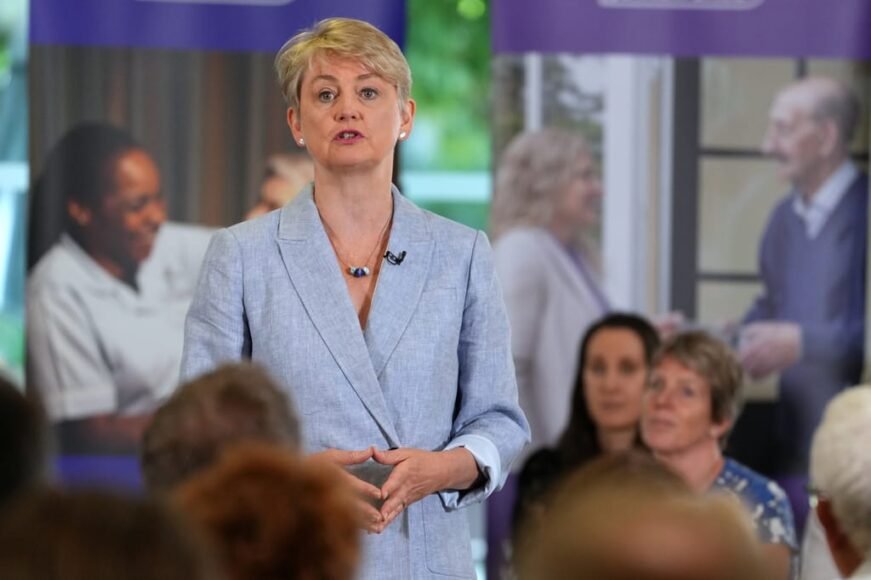
Yvette Cooper speaks during a visit to a care home in London on July 29, 2026. | Pool photo by Kirsty Wigglesworth via WPA/Getty Images
From MPs to peers
A majority of Starmer’s Cabinet supported the bill previously, including Health Secretary Yvette Cooper and Justice Secretary Alex Norris — yet only 12 MPs need to change their stance for the bill to fail, making the margins tight. Suspended Labour MP Karl Turner told POLITICO he would vote against the bill after abstaining last June.
“People’s views are largely as expected for the next vote,” Edwards states. “There haven’t been significant shifts away from those who supported the bill.”
The substantive issue also lies with the House of Lords. Edwards criticizes the “small minority” of peers who she accuses of filibustering the previous bill. She is willing to collaborate with peers on genuine amendments during this “scrutiny process.”








Leave a Reply