


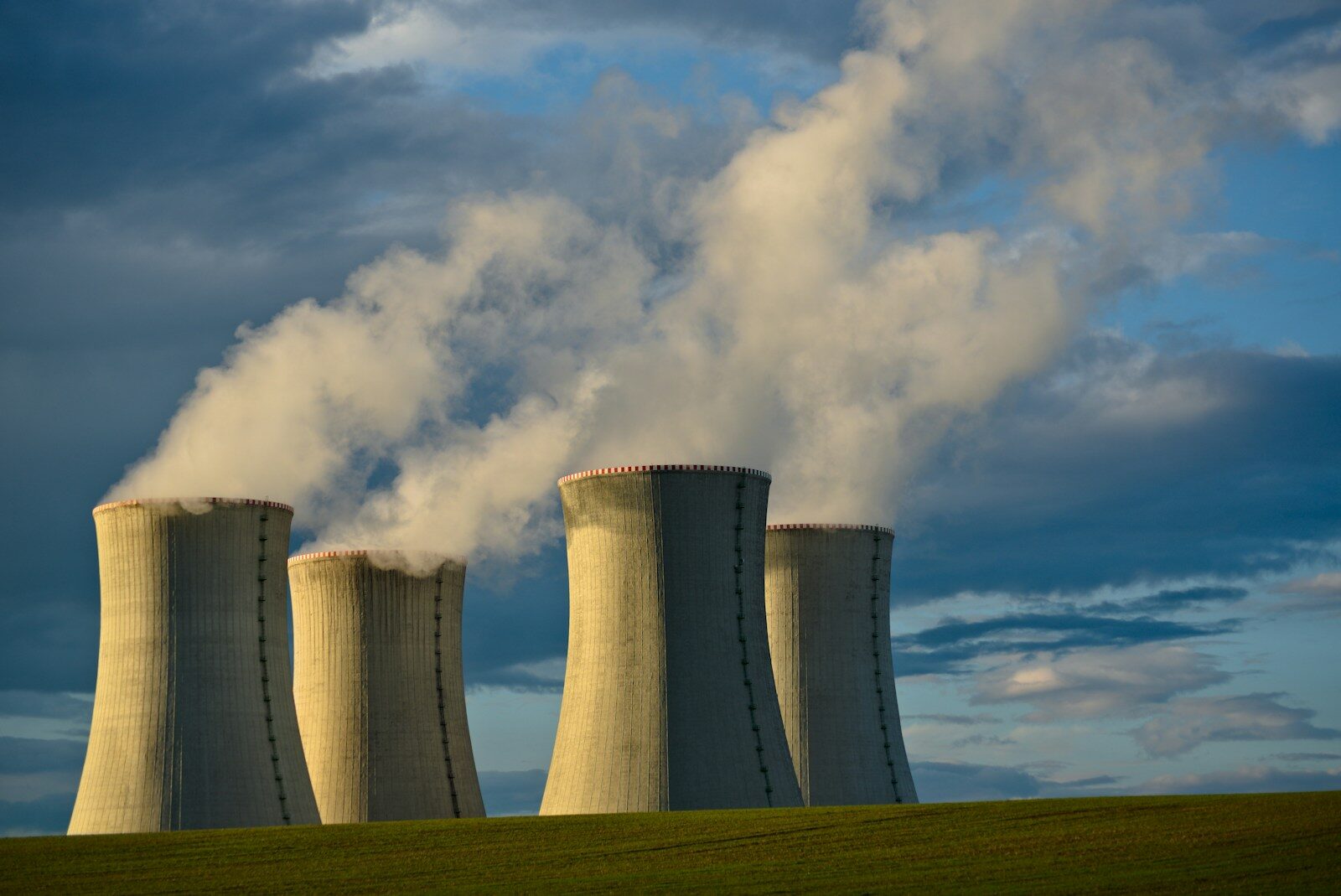
The decision delays Spain’s nuclear phase-out and reopens questions over energy security, waste and transition planning
Spain has granted both reactors at the Almaraz nuclear power plant permission to operate until 8 June 2030, shifting closure dates originally set for 2027 and 2028. This extension provides the electricity system with more low-carbon power amidst international energy uncertainty but highlights political divisions regarding nuclear safety, radioactive waste, and the credibility of Spain’s transition plan.
What the decision changes
The Ministry for the Ecological Transition has renewed the operating license for the two Almaraz reactors in Cáceres until a common date in June 2030.
Previously, Unit I was to cease operations on 1 November 2027 and Unit II on 31 October 2028. This extension delays the start of Spain’s planned sequence of nuclear closures by over two years.
The plant’s owners, Iberdrola, Endesa, and Naturgy, formally requested this change in October 2025, asserting that Almaraz remains technically capable and continues to significantly contribute to the national electricity system.
According to the operator, the reactors provided about 7% of Spain’s annual electricity demand in 2025, equating to the consumption of roughly four million households. This underscores the decision’s impact beyond Extremadura, though the plant’s local economic significance remains particularly strong.
Energy security shifts the balance
The government portrays the extension as a limited response to altered energy conditions rather than a rejection of renewable power. International fuel disruptions, elevated gas-market risks, and uncertainty over the pace at which grids, storage, and replacement generation can be developed have changed the assumptions behind the previous closure schedule.
Keeping Almaraz operational provides continuous low-carbon electricity while Spain expands solar and wind power. It might also lessen the need for gas-powered electricity when renewable production is low, though the impact on prices will depend on demand, interconnection capacity, and broader wholesale-market conditions.
These challenges are not unique to Spain. As The European Times previously reported, energy insecurity has brought nuclear power back to the forefront of European debates on industrial competitiveness, imported fossil fuels, and strategic autonomy.
This debate isn’t merely a choice between nuclear and renewables. Europe’s electricity systems increasingly demand multiple investments: renewable generation, robust networks, storage, demand flexibility, and sufficient reliable capacity for periods of low weather-dependent output.
One plant, not yet a new national calendar
Madrid insists that the Almaraz decision is exceptional and does not automatically alter the overall schedule under which Spain’s remaining reactors are set to close progressively by 2035.
This distinction is significant. Extending one plant after regulatory assessment is different from revising the national phase-out strategy. Nonetheless, other operators, business groups, and regional authorities are likely to reference Almaraz when advocating for extensions at Ascó, Cofrentes, Vandellós II, and Trillo.
The decision has strained Spain’s coalition government. Sumar has opposed the extension, citing it as a departure from the coalition’s environmental commitments, while nuclear advocates argue the government should revisit the entire timeline.
A transition plan can change when its underlying conditions change. However, public trust requires the government to clarify which measurable conditions warranted the revision, why 2030 was chosen, and how future requests will be evaluated. Without clear criteria, an exceptional decision









Leave a Reply