


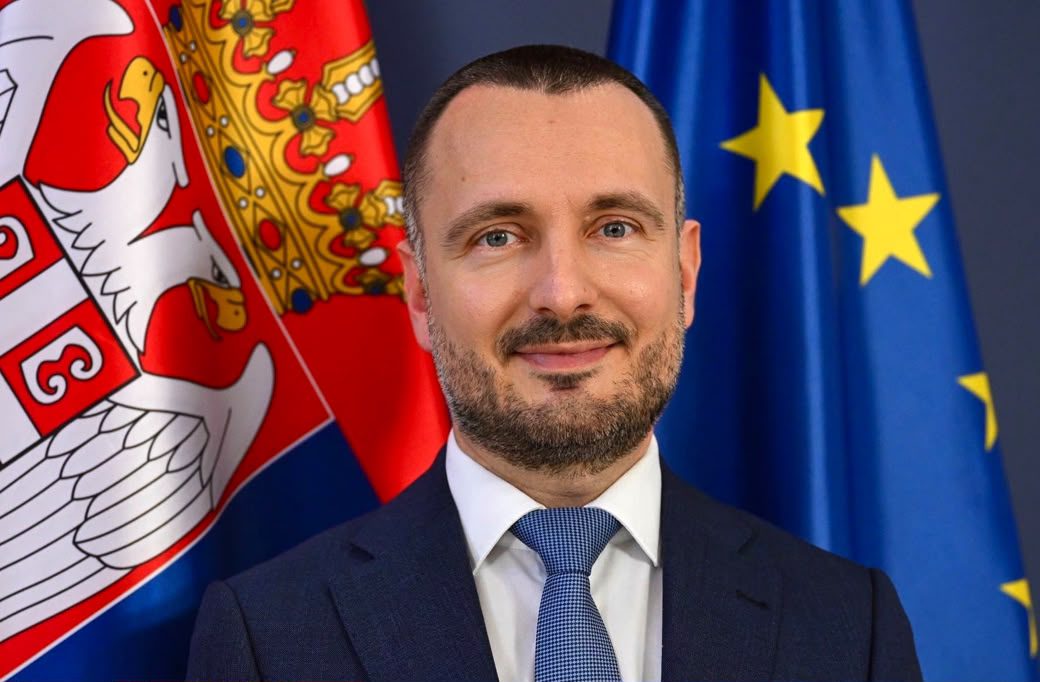
Belgrade’s EU envoy is pushing for end-of-August accession talks as scrutiny increases over judicial independence, corruption, and media freedom. Serbia’s ambassador to the EU, Danijel Apostolović, is tasked with convincing EU governments to advance accession talks while coordinating necessary domestic reforms. With institutions gearing up for an end-August submission to the European Commission, his role highlights the gap between negotiating and implementing lasting changes in public life.
Apostolović has led Serbia’s mission to the EU since June 2024 and became head of the operational accession team in January 2026, followed by chief negotiator in March. His dual role influences both diplomatic efforts and domestic implementation, leaving little room to separate messaging from outcomes. Despite being an EU candidate since 2012, Serbia’s negotiations have lagged behind other enlargement countries.
By the end of August, Apostolović convened Serbia’s negotiating groups to assess their implementation of Commission recommendations, with institutions required to complete their contributions by then. He asserted that Serbia should proactively approach the Commission’s next assessment and reiterated Serbia’s fulfillment of criteria for opening Cluster 3, covering competitiveness and inclusive growth.
The European Commission’s 2026 Rule of Law Report noted corrective actions but expressed ongoing concerns about political pressure on judges, prosecutorial autonomy, and high-level corruption cases. Media conditions remain problematic, with concerns over political and economic influence and deteriorating journalist safety.
Apostolović’s challenge is addressing both audiences: convincing Brussels of Serbia’s adherence to European rules and setting domestic deadlines based on Commission findings. While European integration offers practical benefits, credibility requires clear progress in judicial, fundamental rights, and democratic reforms.
The upcoming submissions will contribute to a broader European evaluation. Apostolović’s role is crucial in connecting Brussels demands with domestic action, making it difficult to attribute results elsewhere. The upcoming weeks will determine if the reforms are convincingly implemented or merely documented, with the key question being whether accession strengthens trust in institutions.









Leave a Reply