



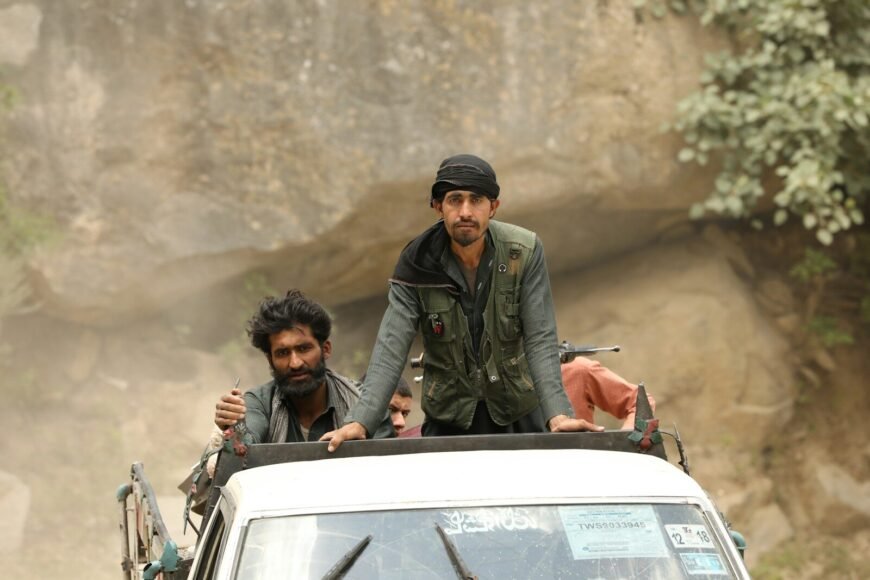
Five years since the Taliban’s return to power in Afghanistan, European governments are engaging with the country’s de facto authorities without formal recognition. This distinction is crucial legally and diplomatically. However, negotiations on deportations, consular services, and migration are creating relationships with consequences beyond mere administrative functions.
On 15 August 2021, the Taliban entered Kabul as the previous Afghan government fell and international forces withdrew. Since then, women and girls have faced increasing exclusion from education, much of the workforce, and public life. Independent journalism and civil society have also been constrained by arrests, censorship, and strict decrees.
Europe initially responded with humanitarian aid, diplomatic isolation, and demands for inclusive governance, human rights, and aid access. While this stance persists, migration politics and the challenges of returning Afghan nationals are shifting European policy.
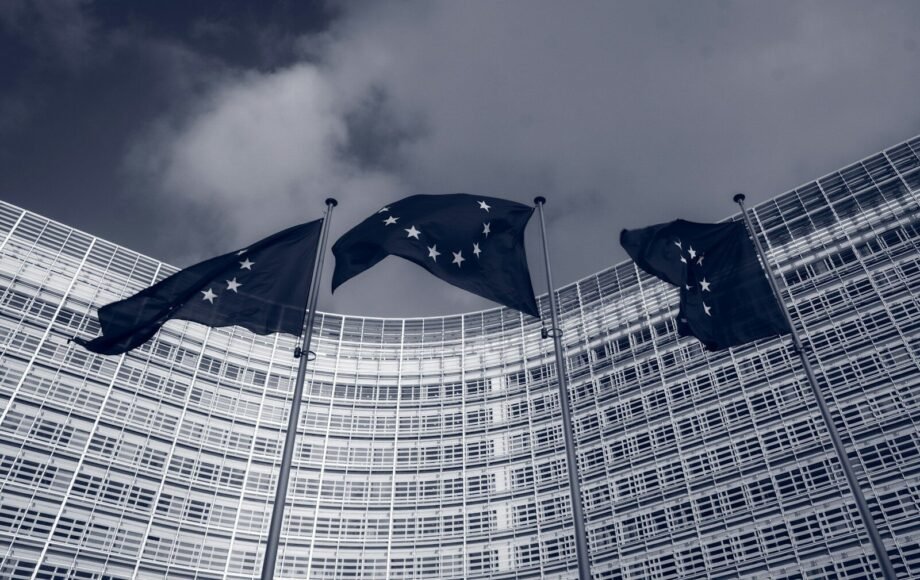
In June, European Commission officials and representatives from 15 EU member states met with a Taliban delegation in Brussels to discuss deportations and consular cooperation. This interaction was described as technical and not recognition. However, concerns exist that repeated administrative contacts might normalize relations without improving rights.
Germany exemplifies how limited channels can develop into operational policy. Several deportation flights to Afghanistan have been conducted, with direct discussions about flight capacity and landing arrangements. A charter flight on 28 July carried 31 people from Germany to Afghanistan, with the government stating that most had serious criminal convictions.
The case raises questions about monitoring returnees, Taliban assurances, and the independent verification of those assurances. It suggests that returns initially justified by public safety concerns may gradually expand to include a broader group.
Despite increased contacts, the Taliban has not made significant concessions on women’s rights. The UN estimates 3.8 million Afghan girls between seven and 18 are out of school, with 250,000 more excluded from secondary education annually. The same UN report indicates that 21.9 million people require humanitarian assistance in 2026, and restrictions on female aid workers hinder efforts to reach women and children.
These conditions challenge the notion that Afghanistan is a suitable destination for enforced returns. The principle of non-refoulement prohibits sending individuals to places where they risk persecution or harm, regardless of political deportation pressures. The European Court of Justice reinforced this in 2024, recognizing cumulative discriminatory measures against Afghan women as persecution.
While the judgment doesn’t prevent the return of every Afghan man, it mandates examining individual circumstances, including political activity, ties to international organizations, or perceived opposition to Taliban rule. A credible return policy requires rigorous case-by-case assessments.
Diplomatic isolation hasn’t reversed the Taliban’s central policies. Refusing all contact has costs, yet engagement must have clear public conditions. European institutions should disclose the scope of technical agreements, ensure independent scrutiny of removal decisions, and establish credible monitoring post-return. Engaging Afghan women, rights defenders, and diaspora organizations is crucial.
Migration cooperation shouldn’t dominate Europe’s Afghanistan policy. Support for education, women-led organizations, independent media, and human-rights documentation is vital as humanitarian funding falls short. Five years after Kabul’s fall, the Taliban gained diplomatic access without altering its governance system. European contact may be necessary, but it shouldn’t imply that Afghanistan is safer or more rights-respecting. Europe’s credibility depends on linking negotiations to protection, accountability, and the voices of affected Afghans.









Leave a Reply