


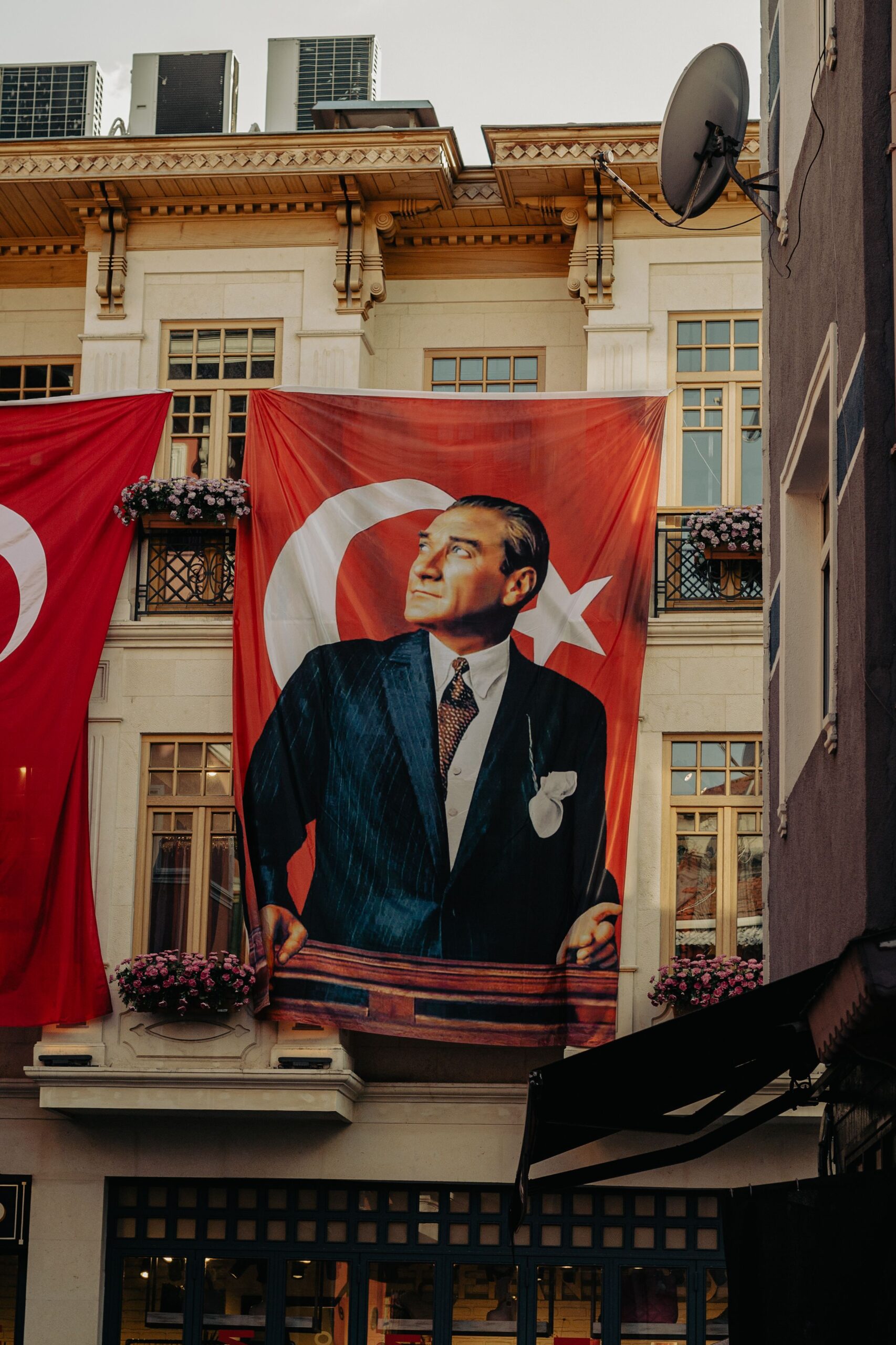
The Turkish parliament has passed a law establishing the framework for the dissolution of the Kurdistan Workers’ Party (PKK) and advancing the peace process with the group, with support from 468 lawmakers including representatives from President Recep Tayyip Erdogan’s ruling Justice and Development Party, the Nationalist Action Party, and the pro-Kurdish Democratic Party.
This move is a significant institutional step towards ending the long-standing conflict between Turkey and the PKK, which began in 1984 and has resulted in over 40,000 deaths. The conflict is one of Turkey’s most severe in modern history, with frequent clashes between Turkish security forces and PKK fighters.
The law introduces regulations for transitioning from armed conflict to a political and legal process. Key provisions include legal protection for former fighters not involved in specific terrorist acts and conditional suspension of sentences for PKK membership.
These measures are crucial for reintegrating former PKK members, aiming for a substantive disbandment process with mechanisms for returning to civilian life for those renouncing violence.
However, the law does not address broader Kurdish political and cultural issues in Turkey. Issues concerning PKK leader Abdullah Öcalan, imprisoned since 1999, remain unresolved.
While the law is significant, it does not resolve all Kurdish controversies. Sustainable progress requires addressing political issues like Kurdish rights, representation, and cultural identity.
The process began in October 2024, with Nationalist Action Party leader Devlet Bahçeli advocating an end to the conflict. Bahçeli’s stance was significant due to his party’s traditionally hardline views on the PKK.
Following this, the process took shape. In February 2025, Abdullah Öcalan called for disarmament, followed by the PKK ending armed activities in May. In July 2025, PKK fighters symbolically burned weapons in northern Iraq, signaling disarmament’s onset.
For Turkey, dissolving the PKK would end a significant security threat. The Kurdish community’s perspective on the process depends on political changes ensuring rights and public participation.
The PKK’s international presence, particularly in northern Iraq and Syria, adds complexity. The PKK uses northern Iraq as a base, and Turkey’s military operations target PKK positions there. Successful disarmament outside Turkey could ease Ankara-Baghdad tensions.
Events in northeastern Syria, where PKK-affiliated Kurdish forces operate, make the Turkish peace process impactful on broader regional security in Syria and Iraq.
The law’s adoption highlights a rare political consensus in the Turkish parliament, with support from diverse political forces despite longstanding societal divisions over the Kurdish issue.
Ankara’s challenge is to turn the legal framework into a tangible disarmament and reintegration process. Any incidents could undermine the political consensus. A lasting peace would significantly impact Turkey’s security, economy, and political stability.
Completing the process would mark a historic shift for Turkey, reducing terrorism, military needs, and fostering a new political approach to the Kurdish issue.
Success depends not solely on the law but on weapon handovers, former fighters’ fates, Kurdish political dynamics, and Turkish institutions’ dialogue capacity. These factors will determine whether the current process is a temporary deal or a lasting peace.





Leave a Reply