


Deaths at Zaporizhzhia Steel Plant Highlight Civilian Protection Concerns and Moscow’s Alleged North Korean Missile Supply
Russian missile, drone, and artillery attacks resulted in at least 10 deaths across Ukraine, Ukrainian sources report, as Kyiv accuses Moscow of utilizing new North Korean ballistic missiles. The attacks targeted workers in Zaporizhzhia, and affected a children’s hospital in Kyiv, increasing calls for enhanced air defenses in Ukraine.
Workers Killed in Zaporizhzhia
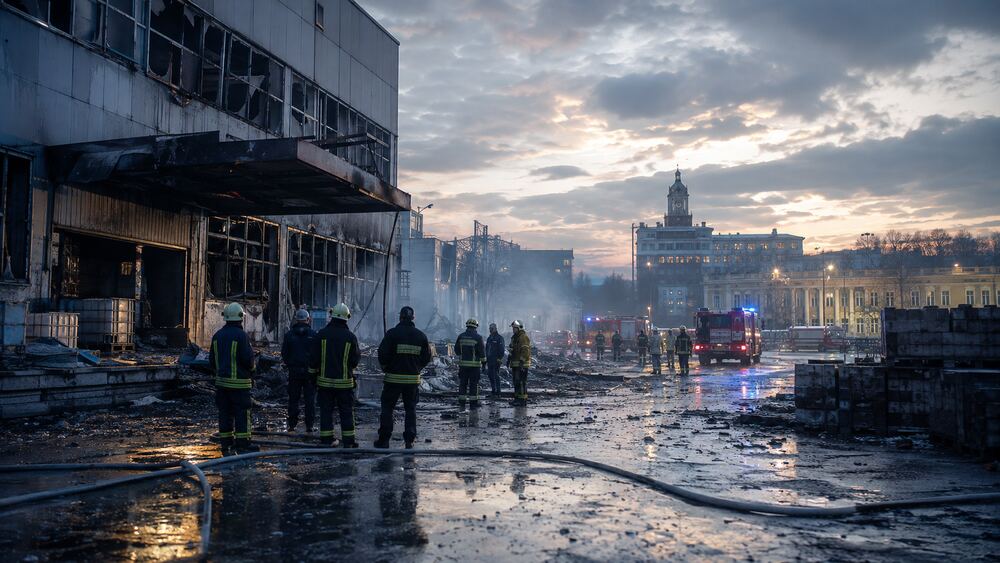
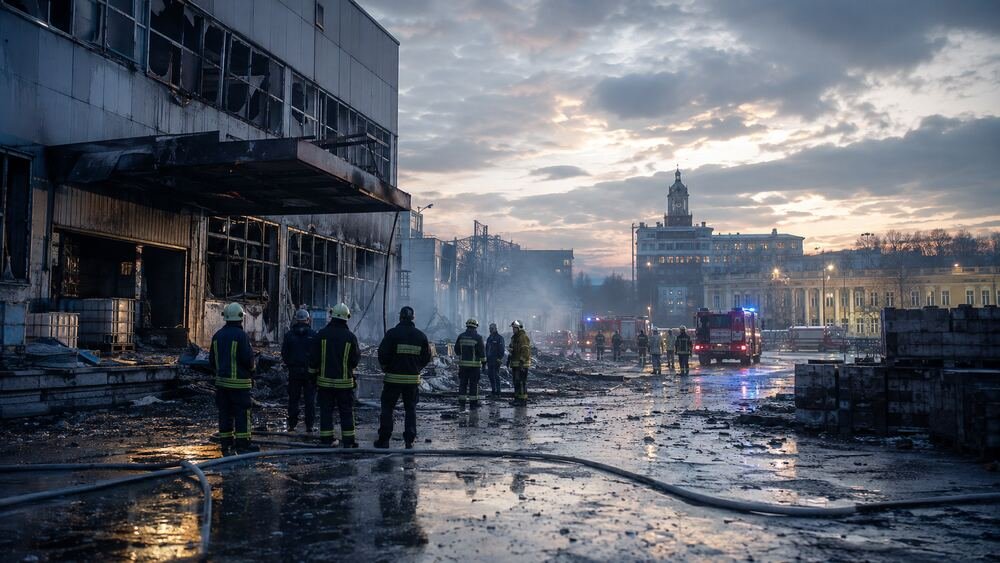
Missiles hit a steel plant in Zaporizhzhia, killing seven workers and injuring 21, according to reports from the company and Ukrainian officials. Additional reports cited three fatalities, including a 15-year-old boy, due to drone and artillery strikes in the Dnipropetrovsk region.
Emergency services are continuing to assess the damage, with casualty reports potentially subject to revision. The attacks emphasize the risks facing civilians near industrial and transport infrastructure.
In Kyiv, an attack damaged a children’s hospital’s grounds. With staff and patients taking shelter, no casualties were reported. The incident underscores ongoing challenges hospitals face amidst frequent air alerts and infrastructural disruptions.
Ukraine’s air force reported the use of Zircon missiles, Iskander ballistic missiles, and 120 long-range drones by Russia. The varied nature of the assault poses significant challenges to Ukrainian air defense crews, who must distribute limited interceptors across vast territories.
North Korean Weapons Allegations
President Volodymyr Zelenskyy alleged that a North Korean ballistic missile was used in the Zaporizhzhia attack, claiming Russia received new missiles from Pyongyang and plans to deploy more North Korean troops. Public evidence verifying the missile’s origin remains unavailable, making independent debris analysis crucial for verification.
The strategic implications extend beyond Ukraine, as Russia and North Korea have a mutual defense agreement since 2024. Cooperation could supply Moscow with weapons and provide Pyongyang with wartime performance data.
These developments complicate sanctions enforcement, requiring attention to procurement networks and financial intermediaries without hindering legitimate trade.
Civilian Protection Challenges
The attacks are part of a pattern identified by the UN Human Rights Monitoring Mission in Ukraine, which has reported increasing civilian harm from missiles, drones, and bombs. International law mandates distinguishing military targets from civilians, assessing potential civilian harm, and taking precautions. Medical facilities receive special protection.
For civilians, consequences are evident. Workers, patients, and children must often seek shelter with little warning, and even hospitals not directly hit may face operational disruptions.
European Air-Defense Considerations
Strengthening Ukraine’s air defenses remains a European priority. The Kyiv Declaration supporting Ukraine called for countering ballistic missiles and condemned third-party military aid to Russia.
The latest attacks emphasize the urgency of these commitments, challenging Europe to supply interceptors while maintaining its own defenses. Ballistic missile defense remains complex, with limited systems capable of providing reliability.
Beyond military assistance, European support can bolster hospital infrastructure, emergency communication, and attack documentation. Diplomatic efforts targeting Pyongyang and enforcing weapons supply sanctions are also crucial. Verified claims about missiles require technical evidence whenever possible.
The recent attacks highlight civilian protection’s integral role in Europe’s security considerations. Successful interceptions can save lives, yet air defense alone cannot eliminate threats. Comprehensive support for Ukraine, pressure on Russia’s supply networks, and diplomacy aiming for lasting peace are essential.










Leave a Reply