



A pivotal humanitarian act in global history occurred on August 1, 1834, when the Slavery Abolition Act 1833, enacted by the British Parliament the year before, was officially implemented. This landmark action granted freedom to approximately 770,280 colonial slaves, permanently altering the world’s economic and social landscape.
The Act covered most British Empire territories, including significant areas in the Caribbean, Mauritius, and South Africa. However, the end of slavery was not instantaneous or entirely unconditional.
The Road to Freedom: Compromises and Economic Cost
While the Act declared freedom, true emancipation was postponed by the introduction of the “apprenticeship system.” Freedom was immediate only for children under six. Adult former slaves had to continue working without pay for their former masters during a transitional period of four to six years.
The government allocated a substantial sum of 20 million pounds as compensation, but this was paid to slave owners, not the enslaved people. This amount constituted about 40% of the annual budget of the state treasury. Notably, the debts incurred for these compensations were finally settled by the United Kingdom in 2015.
Full freedom without forced labor was achieved earlier than scheduled at midnight on July 31, 1838, following widespread peaceful protests in the colonies. Today, August 1 is celebrated globally as Emancipation Day, reminding us of the arduous battle against racial injustice and the ongoing need to uphold equal human rights.
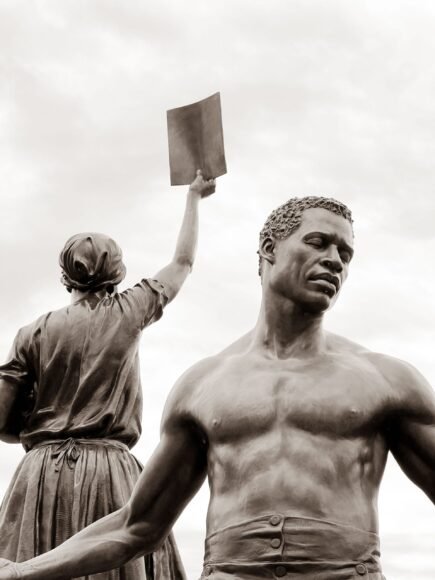
Illustrative photo: pexels-tangie-bodden-2223571-16106378









Leave a Reply