



Italy’s call to suspend Spain from the Schengen area has transformed a border crisis into an EU-wide debate. A rise in crossings into Spain’s Ceuta has sparked tension between Madrid and Rome after Italy suggested Spain be removed from the passport-free zone, exposing Europe’s recurring challenge of balancing border control with legal protections for asylum seekers.
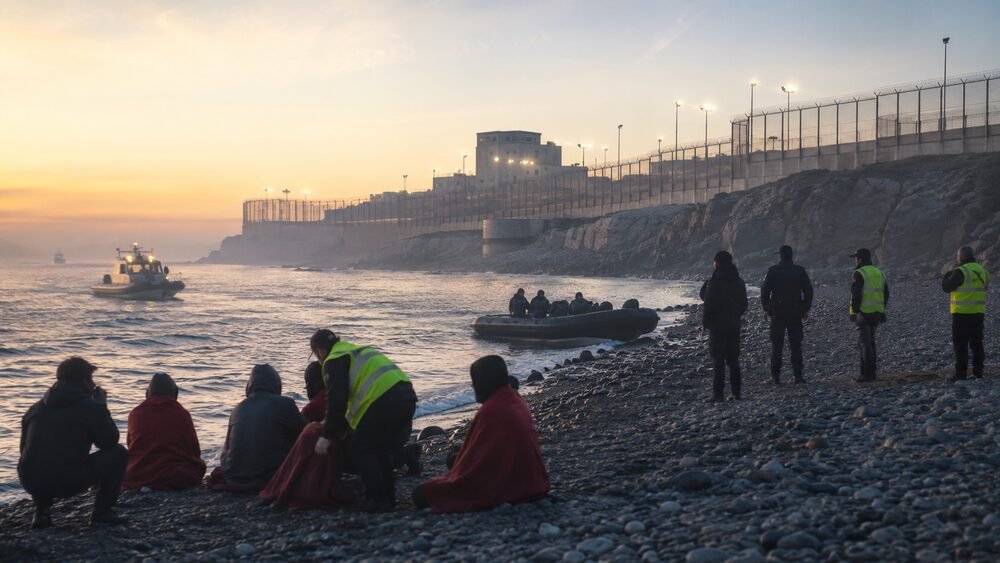
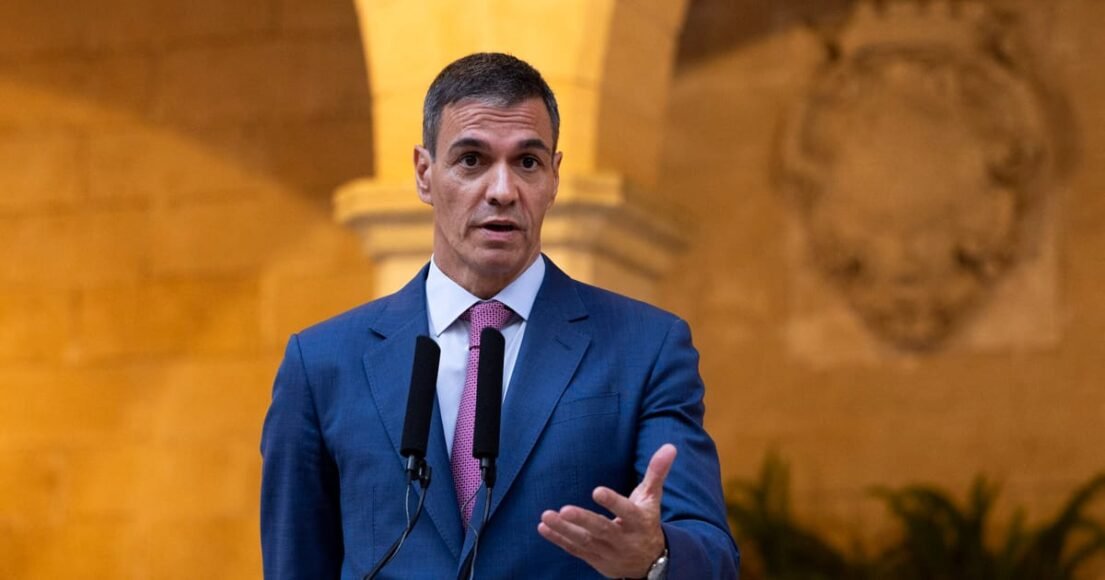
Italian Foreign Minister Antonio Tajani expressed support for shutting Schengen doors to Spain, citing national security risks due to the flow of irregular migrants. This came after numerous individuals crossed from Morocco to Ceuta, many by swimming. In response, Spain called in Italy’s ambassador and deployed troops to address the issue, alongside accelerated return agreements with Morocco. However, no detailed plans were released.
The situation is dire: Spanish authorities have recovered nine bodies of those attempting the perilous sea journey to Ceuta. Over 1,500 people swam into the enclave in a week, pushing local resources to a breaking point. Ceuta and Melilla, Spain’s only land borders with Africa, have a significant impact on EU politics, touching on border security and EU-Morocco relations.
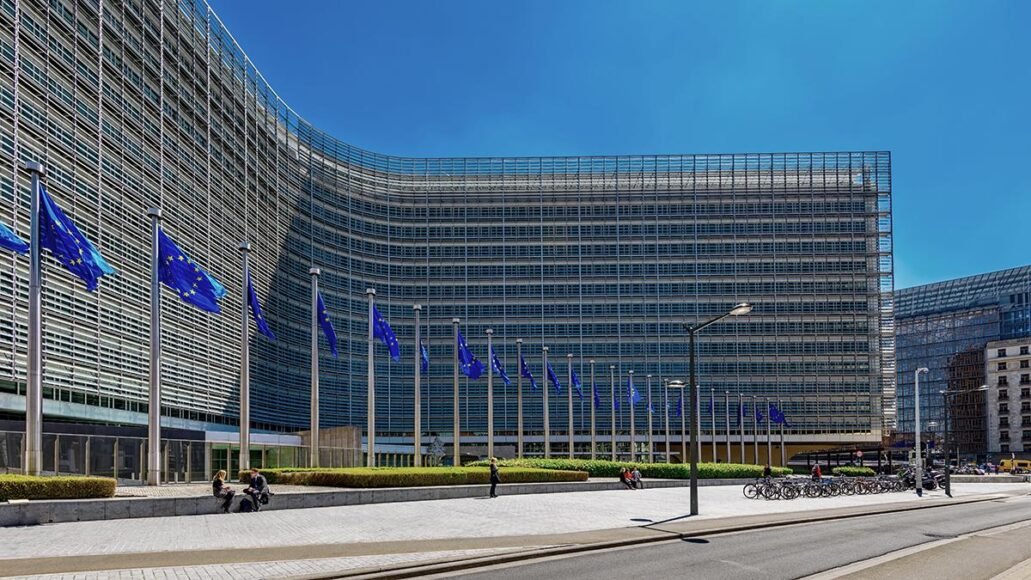
The European Commission offered support via Frontex, with Migration Commissioner Magnus Brunner stressing the protection of EU borders. Yet, the legal complexities underline that Italy’s unilateral call for Spain’s suspension is impractical. Schengen rules allow border controls only for serious threats, with temporary measures being justified under exceptional conditions. A complete suspension is not a mere political decision but involves stringent legal criteria.
This issue surfaces at a delicate time, with internal border checks in Europe becoming more routine, often under the guise of addressing migration, security, or crime. Brussels insists these controls remain exceptional, as emphasized in past disputes highlighted by The European Times.
The pressure on Ceuta is genuine, yet EU and international law require that asylum seekers have access to legal processes and are protected from collective expulsion. Accelerated returns must not compromise individuals’ rights, particularly children and vulnerable groups. Political rhetoric on “closures” can obscure the human element of these crises. Not all arrivals have a right to stay, but many may need protection, with border authorities needing to address trafficking and smuggling concerns.
For Spain, restoring order must not create a rights vacuum. For Italy, the crisis should not become an attack on free movement. For the EU, Ceuta underscores the need for Schengen to balance border control with disciplined, transparent, and humane rule application.








Leave a Reply