



“It’s a strong message to Google, indicating that we expect a serious compliance proposal,” she emphasized. “The goal of our regulations is to ensure market efficiency, not to punish anyone. However, in some cases, we must consider sanctions.”
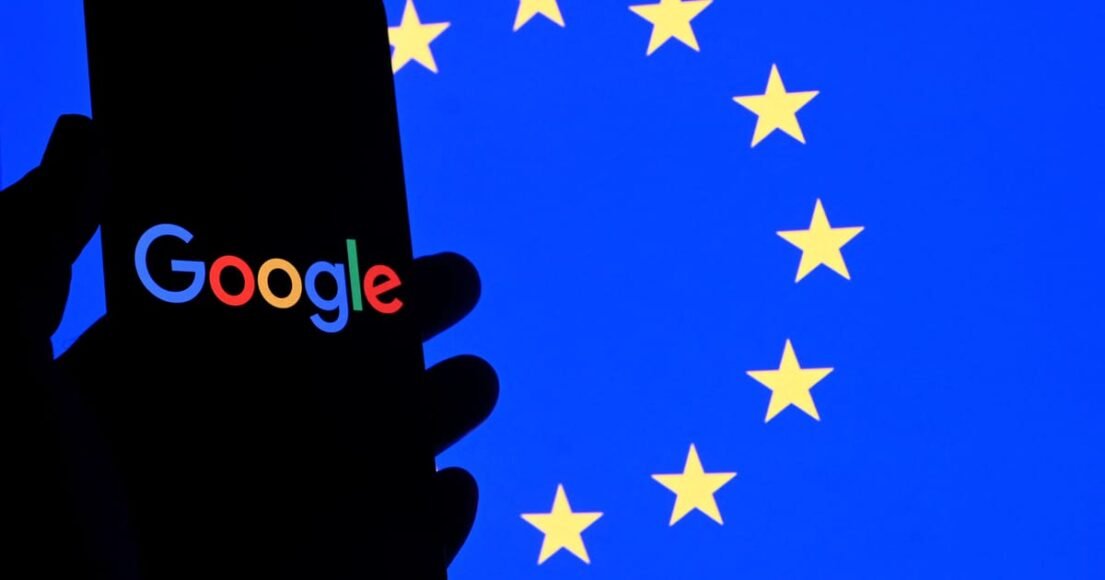
The Commission stated that Google has already begun to test certain corrective measures — including changes in how free services like shopping, hotels, and flights are presented — describing them as “substantial progress.” Discussions continue on how the rules will apply to Google’s AI Overviews and AI Mode features.
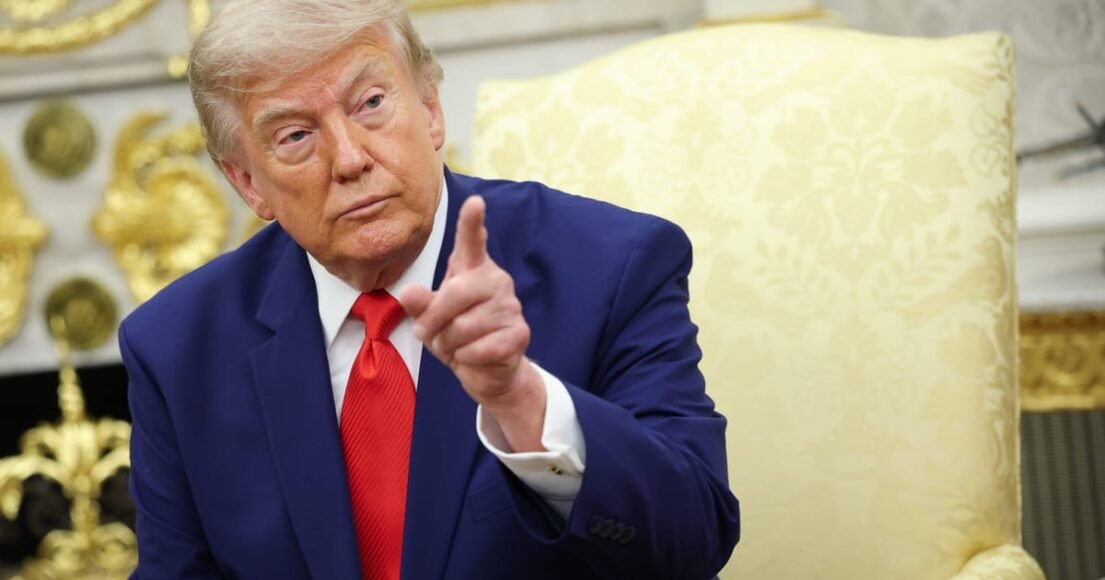
These decisions occur amidst sustained pressure from Washington, where the Trump administration compares EU sanctions on American tech companies to trade barriers.
They also come at a sensitive time, just before the expiration of provisional tariffs imposed by the United States on its trading partners. European officials fear the next ones might exceed the 15% cap set under the transatlantic trade truce reached nearly a year ago at President Donald Trump’s Scottish golf resort.
Teresa Ribera denied that political pressure played any role in the Commission’s decision to enforce its rules.
“We are bound by law,” she insisted. “I don’t think any of us, as Commission members, can be respected if we decide to act or not because someone else tries to dictate our conduct.”
This article was initially published by POLITICO in English and then edited in French by Jean-Christophe Catalon.









Leave a Reply