


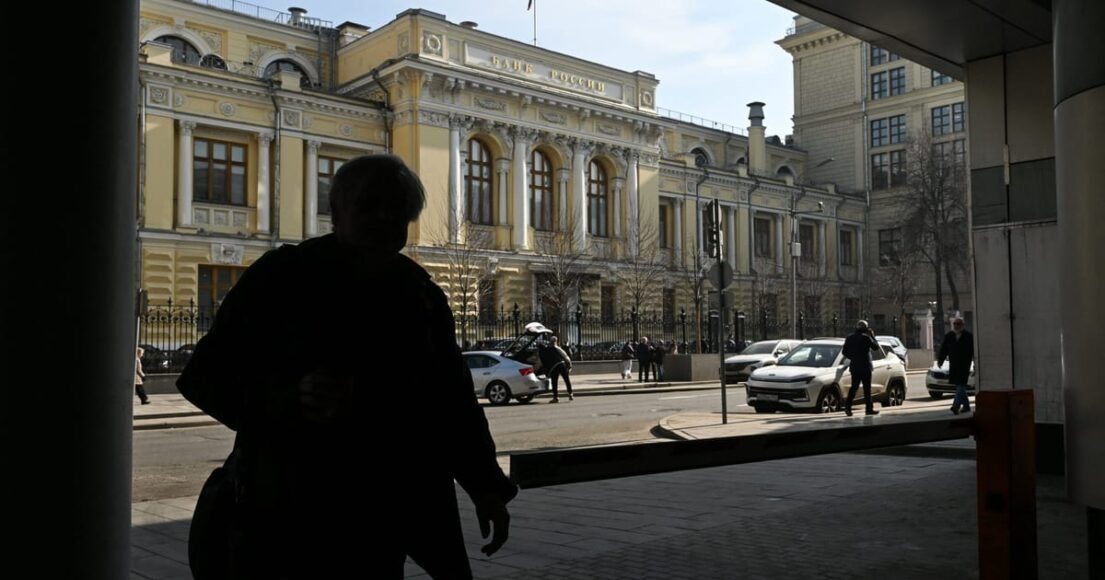
The central bank has maintained high interest rates to control inflation, with the key rate at 14.25 percent, amid a widening budget deficit. Businesses face even higher credit costs, exacerbated by competition with the Kremlin for savings.
Initially, Moscow planned to reduce military spending this year, but it has surged, making up nearly half of government spending in the second quarter, according to Janis Kluge from the German Institute for International and Security Affairs.
Kluge noted that the bond market standoff doesn’t indicate an imminent collapse but aligns with other stress signs in Russia’s financial markets. The benchmark stock index, mostly comprising the oil and gas industry, fell 30 percent over two months as Ukraine demonstrated its capability to target significant economic infrastructure, even reaching Omsk in Siberia.
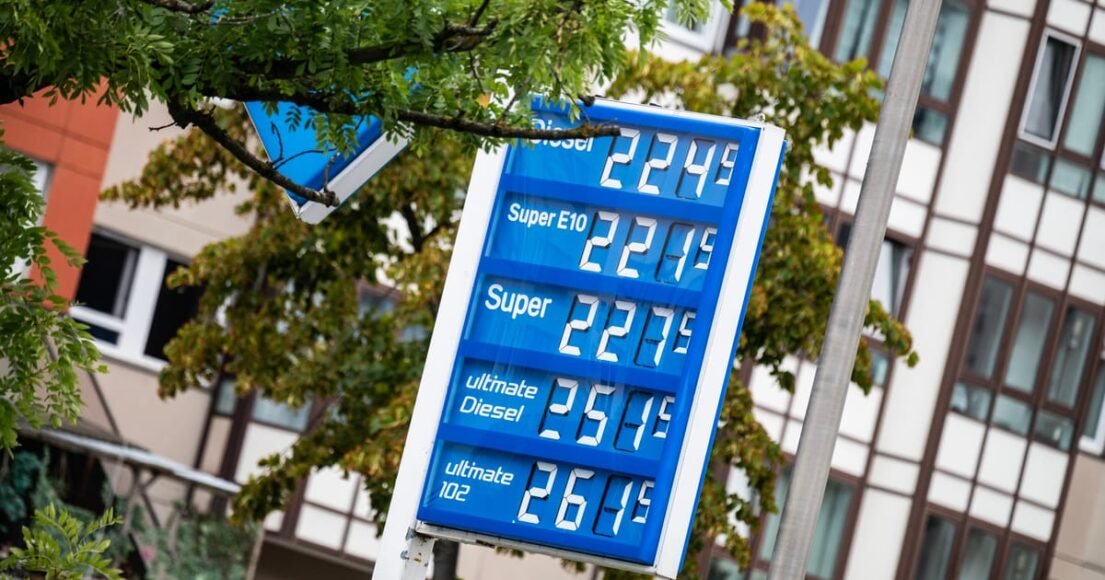
Ukraine expanded its drone offensive notably, including refinery attacks causing fuel shortages nationwide, and its forces claim to have hit 183 ships in the Black Sea and Sea of Azov, impairing Russia’s efforts to resupply Crimea and affecting grain exports.
Recent days have also seen attacks on fulfillment centers of Wildberries, Russia’s largest e-commerce firm, crucial for numerous small businesses.




Leave a Reply