


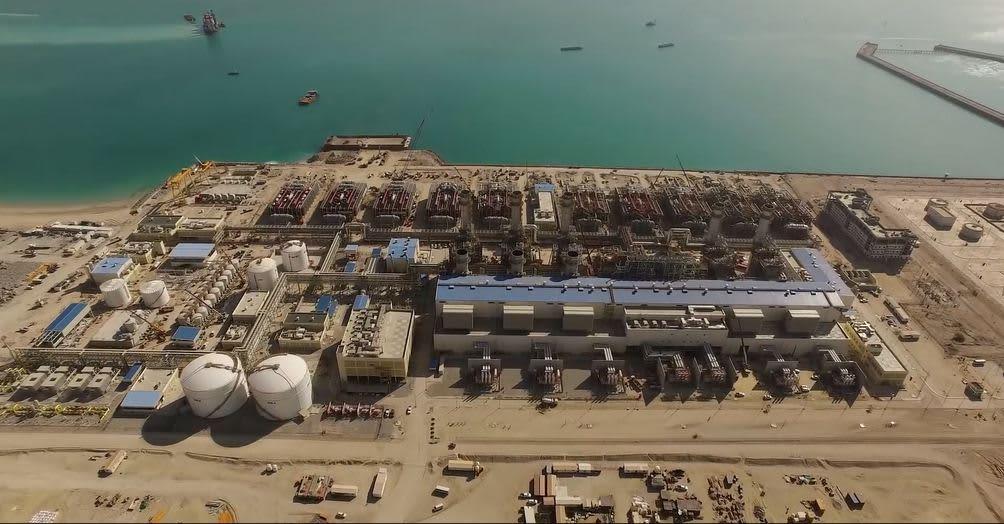
By Tuesday night, after four consecutive nights of strikes, Iranian missiles and drones continue to target power and desalination infrastructure along Kuwait’s southern coast. The primary target remains the Shuaiba complex, a dense stretch of turbines and water treatment units south of Kuwait City where crews have fought fires across multiple sectors as generating units went dark. Kuwait draws nine in ten liters of its drinking water directly from the Persian Gulf, All Categoriesmeaning a sustained campaign against Shuaiba targets the foundation of civilian survival in the state.
Markets evaluate the conflict primarily through oil metrics. Brent crude traded near $90 a barrel as idle tankers anchored off the coast and headlines concerning the Strait of Hormuz drove price adjustments. Oil represents a visible and anticipated vulnerability. Water security poses a far more severe systemic risk to the Gulf monarchies, yet Iranian forces have hit these coastal facilities over four straight nights.
This infrastructure lies beyond the protective scope of naval and air defense platforms. Warships escort tankers and missile batteries intercept incoming drones, but defense systems cannot relocate fixed industrial sites. Desalination plants operate as large, exposed facilities along the shoreline, situated within range of Iranian ballistic and cruise missile launch sites. Analysis from CSIS identifies these plants as open industrial targets located within 350 kilometers of Iran. A small group of high-capacity facilities supplies the majority of potable water along the coastline, creating a concentrated set of high-value targets.
Disrupting these plants eliminates basic urban continuity within days. Kuwait possesses no natural aquifers, rivers, or predictable rainfall patterns capable of substituting for industrial production. Qatar and Bahrain face similar levels of total dependence. The urban centers of the Gulf rely on coastal plants operating without interruption. Disruption on this scale leaves urban centers uninhabitable.
Targeting water infrastructure builds on previous precedents in the regional conflict. An Iranian strike killed an Indian worker at a Kuwaiti power and water facility in March, following an earlier strike on a Bahraini desalination plant. The operational pattern shifted this week through sustained, multi-night targeting of civilian facilities following American strikes against infrastructure inside Iran.
This sequence forms the central dynamic of the escalation. American forces initiated strikes on bridges, ports, and energy installations in Iran, following public warnings that Iranian power infrastructure would face destruction unless Tehran altered its posture in Hormuz. Striking Iran’s electrical grid disables the pumps and filtration membranes required for domestic water processing. Iranian leadership outlined its response: strikes on Iranian power grids would be met with attacks on Gulf desalination capacity. The four-day strike sequence against Kuwait demonstrates the execution of that policy.
Official statements from Tehran avoid explicit acknowledgment of targeting water infrastructure. Spokespersons for the Islamic Revolutionary Guard Corps (IRGC) listed military targets, including HIMARS launchers and American troop deployments positioned approximately one kilometer from the Shuaiba plant. Physical destruction of water processing units remains identical regardless of stated targeting intent. When munitions strike adjacent to primary desalination units, operational capacity drops regardless of military rationale.
This operational reality complicates Washington’s strategic calculations. Standard doctrine advocates maintaining escalation pressure without conceding targeting restrictions. However, Iranian strikes continue regardless, while threats against Iran’s grid directly incentivize counter-strikes on unprotectable Gulf water infrastructure. Public warnings aimed at Iranian infrastructure trigger retaliation against civilian utilities in Gulf states hosting American installations.
The 1973 oil embargo demonstrated the economic impact of supply disruption. Water infrastructure represents an even more sensitive vulnerability, lacking strategic reserves to cushion supply shocks. Historical norms largely protected water and power
Comments
3 responses to “Everyone Watches Oil While Iran Turns to Maritime Moves.”
-
Seems like while everyone’s busy watching the oil price do the tango, Iran’s gone and turned the Gulf into their own personal water park. Cheers to keeping the taps flowing, eh? 💦🚢
-
Isn’t it just brilliant how everyone’s obsessing over oil prices while Iran is busy giving the Gulf a summer holiday from water? Who needs hydration anyway when you can invest in overpriced crude, right? 😂💧
-
Isn’t it just delightful how Iran has turned the Gulf into a real-life game of Battleship? Who needs oil when you can simply sink your neighbours’ water supply? 😂
-
Just when you thought it was all about crude oil, Iran decides to spice things up with a little maritime mischief. Who needs a reliable water supply when you can play naval warfare roulette? 🛥️💦

Last News
Everyone Watches Oil While Iran Turns to Maritime Moves.
By Tuesday night, after four consecutive nights of strikes, Iranian missiles and drones continue to target power and desalination infrastructure along Kuwait’s southern coast. The primary target remains the Shuaiba complex, a dense stretch of turbines and water treatment units south of Kuwait City where crews have fought fires across multiple sectors as generating units went dark. Kuwait draws n

Spain: EIB Group and Santander to unlock €1.43 billion for small businesses and mid-caps, supporting competitiveness, the green transition, and women entrepreneurs

Zelenskyy Dismisses Top Army Commander Amid Nationwide Protests
He also thanked Syrskyi for successful operations in 2022 in Kyiv and Kharkiv and the 2024 incursion into Russia’s Kursk region.
Joint Forces Commander M

Armand Denis: His Fascinations
He would be the first to admit that as a young boy growing up in Antwerp, he had some very strong obsessions. From an early age he was infatuated with the natural world of animals and travel and later in life with film, photography and cultural anthropology. His passions would go a long way into how we view animal welfare, conservation and the environment today. Meet Armand Denis …
Armand Denis

Belgium Celebrates National Day with Parade and Unity Appeal
Brussels ceremony merges royal tradition, public celebration, and focus on defence and social unity.
Belgium celebrated its National Day in Brussels on Tuesday, combining royal ceremonials, military displays, civil-service recognitions, and public festivities, using the 21 July holiday to reaffirm constitutional stability amidst European uncertainties.
The day started with the Te Deum service at
Canada Joins Fighter Jet Project with UK, Italy, and Japan
The Global Combat Air Programme involves “reindustrialization and building back up our production capacity, so we

Canada Observes Global Combat Air Programme in Fighter Jet Initiative
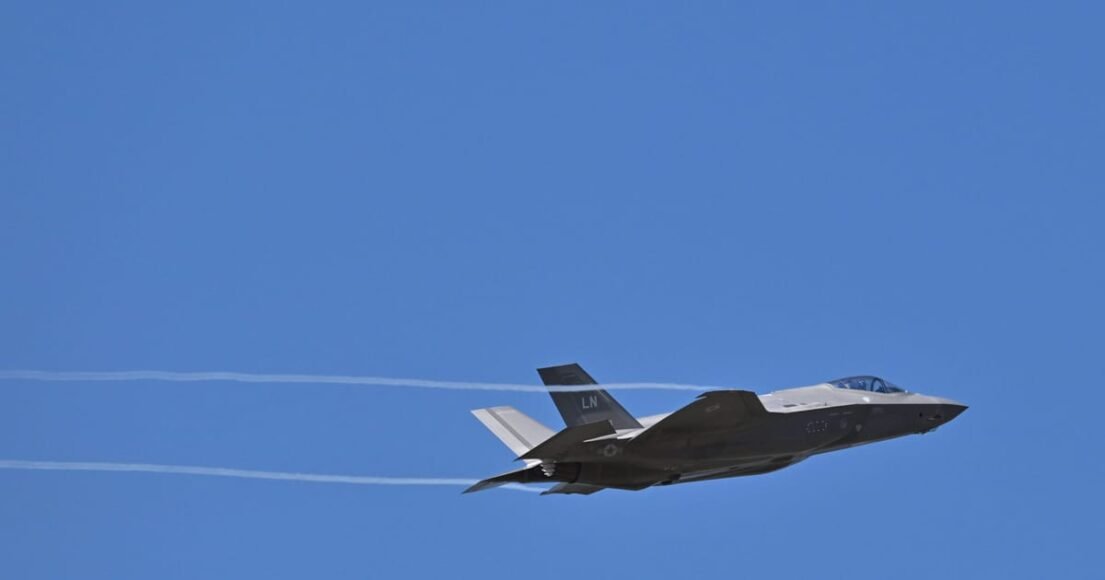
Ottawa, July 21 Eurotoday — Global Combat Air Programme expanded its international reach after Canada officially joined the UK, Italy and Japan-led sixth-generation fighter aircraft initiative as an observer. The decision was announced during the Farnborough International Airshow and gives Canada access to programme discussions while leaving open the possibility of deeper involvement in the futu

France Approaches Under-15 Social Media Ban
French legislators are nearing the final approval of legislation that would prohibit children under 15 from using social media. This follows a compromise between deputies and senators intended to take effect from the start of the 2026 school year, placing France at the forefront of Europe’s ongoing discus

Natural Gas Prices Soar Amid Renewed Middle East Violence
The latest price spikes have intensified fears that Middle East unrest will become a permanent aspec

Russian Embassy Staff Central to Moscow’s Diplomatic Protest Against Moldova
Moscow, July 21 Eurotoday Newspaper — Russian embassy staff became the focus of a diplomatic dispute after Russia summoned Moldova’s ambassador to protest what it described as actions taken against personnel at the Russian Embassy in Chisinau. Russia’s Foreign Ministry said the move was a formal response to measures affecting its diplomatic mission and called on Moldova to comply with internatio
Leave a Reply