


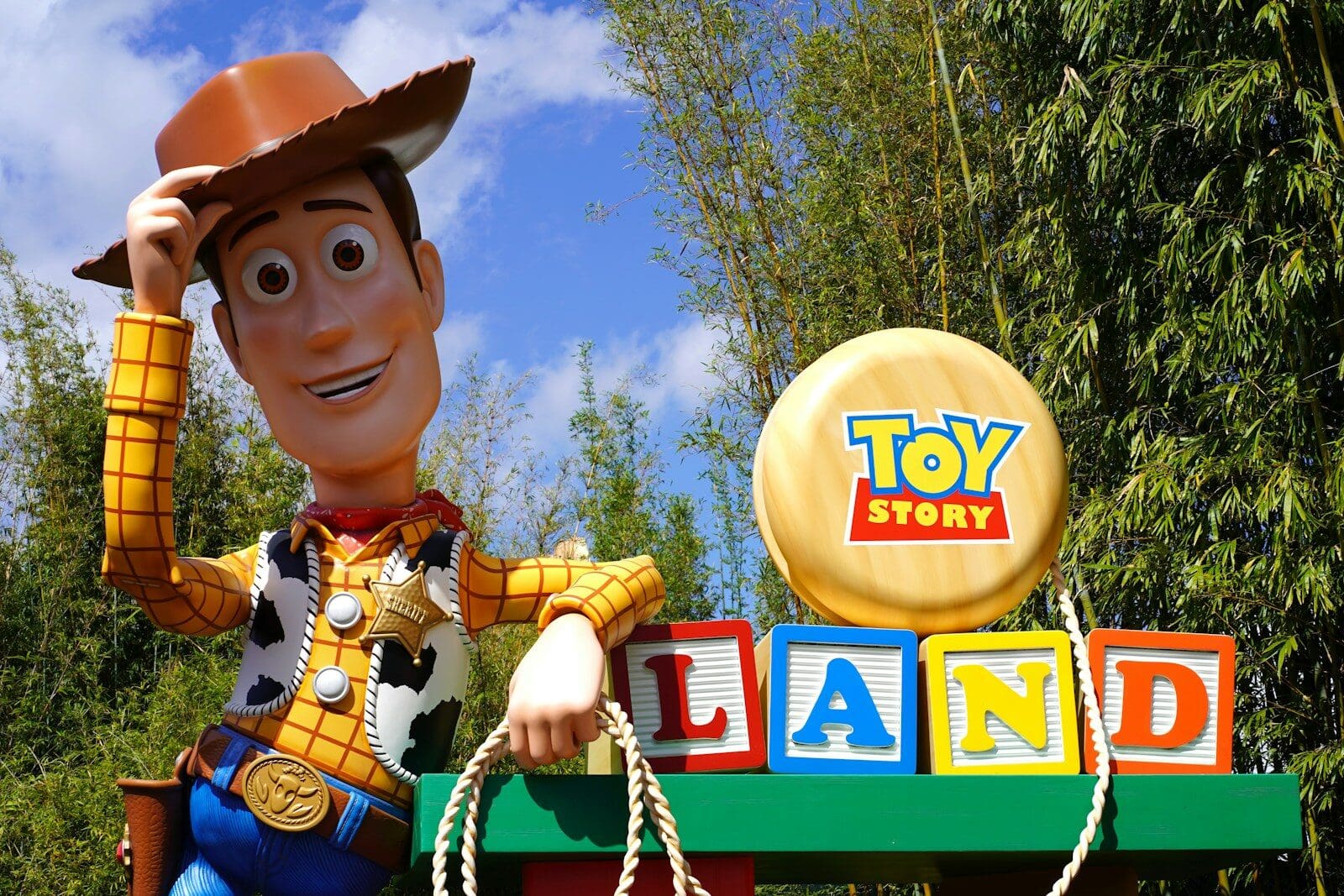
Pixar’s new sequel brings nostalgic characters back to explore modern themes of technology and childhood. “Toy Story 5” revisits the animated world of Woody, Buzz, and Jessie with a fresh challenge: the impact of screens on imaginative play. Released on June 19, 2026, and directed by Andrew Stanton with Kenna Harris, it features Tom Hanks, Tim Allen, Joan Cusack, and introduces Greta Lee as the voice of Lilypad, a tablet that disrupts Bonnie’s toys.
This installment isn’t a reinvention but a continuation with a contemporary twist. The toys face competition not from other toys but a digital world offering connection and distraction. The film shifts focus to Jessie, exploring themes of belonging and peer pressure in the digital age.
Critical reception suggests a favorable but less groundbreaking entry compared to its predecessors. Pixar’s visual storytelling remains effective, portraying small fears as vast emotions. The movie navigates the fine line between moral panic and corporate softness regarding digital technology’s role in childhood, suggesting it can be both isolating and connecting.
The film taps into nostalgia, appealing to audiences familiar with its emotional depth, while also engaging with modern-day influences on social life and childhood. Despite criticisms of being too safe, “Toy Story 5” positions itself in the broader discussion of storytelling’s cultural relevance.
In conclusion, while it may lack the intensity or grandeur of previous films, “Toy Story 5” successfully presents play as a vital part of childhood amid digital influences, providing a touching and humorous return for the franchise.











Leave a Reply