


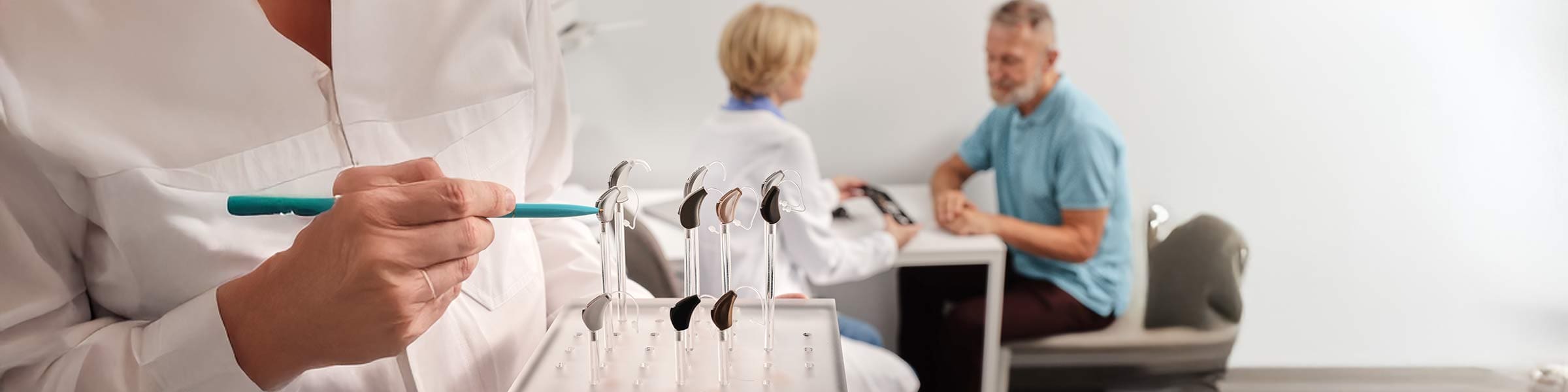
Imagine facing challenges in understanding conversations in a bustling restaurant or staying on track in a busy office, only to be informed by a doctor that your hearing is normal. This is the frustrating situation for individuals with cochlear synaptopathy, also known as hidden hearing loss.
According to the Hearing Health Forum EU, approximately 34 million adults in the EU experience disabling hearing loss. However, the actual magnitude of the issue is likely much larger, as standard hearing tests cannot identify cochlear synaptopathy.
This condition lacks a clinical diagnosis and an approved treatment, leaving many with genuine hearing challenges without assistance.
Hidden hearing loss can be debilitating, as explained by Professor Ingeborg Dhooge, head of the Ear, Nose, and Throat department at Ghent University Hospital in Belgium. Dhooge was a clinical consultant for a research initiative called EarDiTech, which studied the condition from 2022 to 2026.
The project received funding from the European Innovation Council, which supports transforming bold scientific ideas into practical solutions.
“Everywhere you go, there is always noise,” Dhooge said. “When shopping, there is noise, music playing. At work, open plan offices create background noise, affecting patients’ productivity.”
Current options involve training people to lip read and focus on speech sounds. However, the EarDiTech researchers developed a test to detect hidden hearing loss and are working on innovative software for hearing aids.
The Mechanism of Hearing Impairment
In the inner ear, sound is detected by tiny hair cells that transform vibrations into neural signals, which travel to the brain via synaptic connections between hair cells and the auditory nerve.
It was previously believed that age-related hearing loss begins with damaged hair cells.
“
To some extent, hearing aids can help, but it’s difficult because with them everything becomes louder, but not necessarily clearer.
“We now know that the first damage to auditory structures is not the hair cells, but actually the synapses connecting hair cells to the brain,” explained Professor Sarah Verhulst, head of the Hearing Technology lab at Ghent University.
This distinction is crucial, emphasized Verhulst, as the EarDiTech research coordinator. One synapse per hair cell is sufficient to detect sound, but multiple synapses are needed to interpret speech in noisy environments.
The audiogram is the standard tool for assessing hearing, where patients respond to tones at various pitches and volumes. It assesses hair cell performance but does not reveal the number of working synapses, thus missing the difficulties of those with cochlear synaptopathy.
Assessing Synapses
The EarDiTech test combines electrodes placed on the forehead and earlobes with a specially designed audio stimulus, developed through years of auditory system modeling research.
“We built computer models of the hair cells and synapses,” Verhulst said. “We can simulate auditory nerve responses or synapse responses in the whole cochlear model. Using this method, we identify the audio stimulus that best triggers all synapses simultaneously.”
The test aims to elicit the strongest synaptic response. When someone with healthy synapses hears the stimulus, electrodes detect a significant spike in neural activity. In individuals with synapse loss, the response is smaller.
“By comparing the size of a patient’s response to a normal hearing response, we estimate the degree of cochlear synaptopathy,” Verhulst said.
The researchers have miniaturized the technology into a compact, portable device. Clinical trials at Ghent University demonstrate its ability to identify cochlear synaptopathy across various age groups.
The test is simple and non-invasive, easily integrated into everyday clinical practice, providing audiologists and ENT specialists with a previously unavailable tool.
The next step is obtaining CE marking
Comments
5 responses to “The Test That Detects Hearing Loss Missed by Doctors”
-
Honestly, it’s a miracle that we needed a fancy test to find out our ears are only pretending to work while we’re left guessing if it’s the restaurant or our hearing. 🙄 If only the doctors had a ‘hidden hearing loss’ section on their charts, eh?
-
A brilliant idea, isn’t it? A test for hidden hearing loss, just what we needed to keep the doctors guessing even longer—might as well hand out earplugs and call it a day! 🤷♂️
-
This groundbreaking test for hidden hearing loss is like finally giving folks a map to navigate the deafening chaos of modern life—cheers to the medical community for almost getting it right! 🥂 Who needs clear communication anyway, right? 🍷
-
Just what we needed, another test to tell us what our doctors missed while they were busy chatting about the weather. 🤷♂️ Who knew hidden hearing loss was just a fancy term for “I didn’t hear that”?
-
So, let me get this straight: a test for what our doctors can’t even hear—brilliant! I suppose next they’ll invent a gadget to tell us what we already knew over a pint at the pub. 🍻🙄
-
If only those doctors had a fancy gadget to detect what their ears missed, eh? But hey, at least we can still enjoy the sound of silence in crowded cafés—what a delightful paradox! 😏🎧
-
Just what we need, another fancy test to tell us we can’t hear the waiter over the din of our own bad choices. 📈 At this rate, I might as well invest in a megaphone to order my coffee! ☕️😅

Last News

Thousands Attend Khamenei Funeral as Iran Enters National Mourning
Tehran, July 04, 2026 – Eurotoday Newspaper — Khamenei funeral ceremonies began Saturday as thousands of Iranians gathered in the capital to mourn the country’s late supreme leader following his reported wartime death. Large crowds filled streets surrounding the main ceremony, carrying Iranian flags, portraits, and religious banners while security remained tight throughout the city.
State Funera
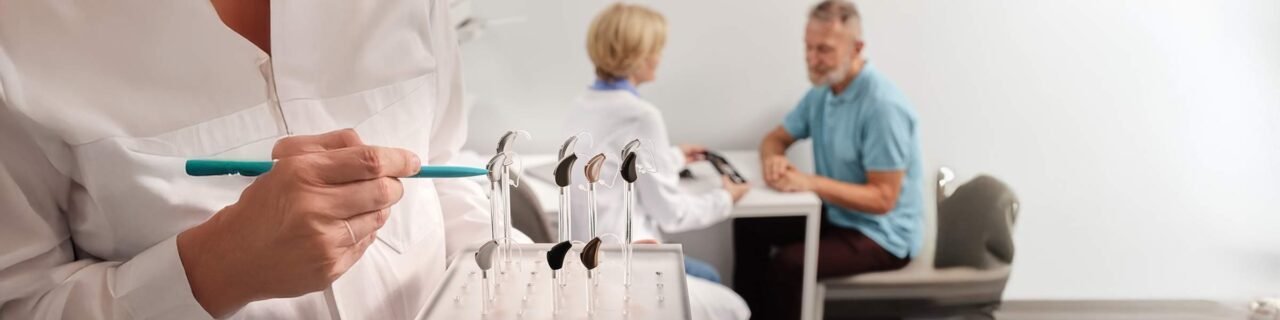
The Test That Detects Hearing Loss Missed by Doctors
Imagine facing challenges in understanding conversations in a bustling restaurant or staying on track in a busy office, only to be informed by a doctor that your hearing is normal. This is the frustrating situation for individuals with cochlear synaptopathy, also known as hidden hearing loss.
According to the Hearing Health Forum EU, approximately 34 million adults in the EU experience disablin

A Walk with Ulf Poschardt

Trump Plans National Mall Rally to Celebrate U.S. 250th Anniversary
Sarhan Basem is Eurotoday’s Senior Correspondent to the European Parliament. With a Bachelor’s degree in English Literature, Sarhan brings a unique blend of linguistic finesse and analytical prowess to his reporting. Specializing in foreign affairs, human rights, civil liberties, and security issues, he delves deep into the intricacies of global politics to provide insightful comment

What Occurs in the Brain During Vacation
The onset of a vacation often follows a common pattern. Initially, we vow not to check our work chat. The next day, we might “just check” for urgent matters. By the third day, we begin to appreciate the waves, the coffee aroma, or the mountain air. Between turning off notifications and experiencing sound sleep, our brains undergo subtle rewiring.
Vacations, often seen as rewards or luxuries, are

Ukrainian Woman Sought After Monaco Assault
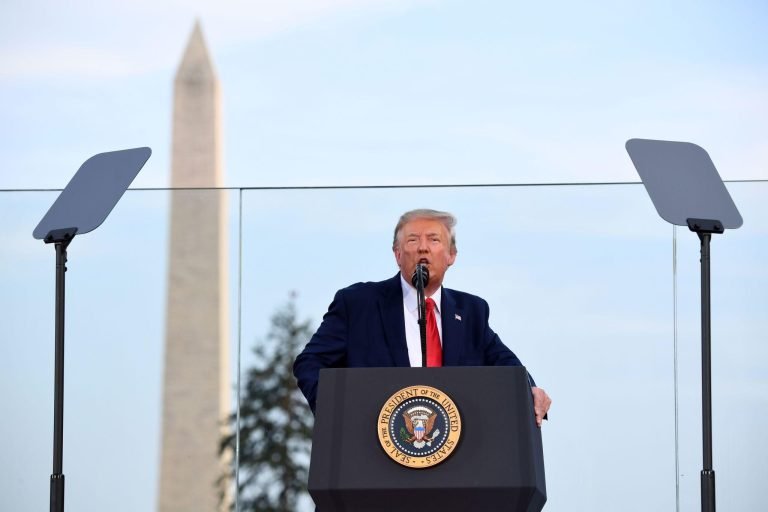
Trump Savings Accounts Launch Amid US 250th Independence Day Celebrations
Washington, D.C., July 04, 2026 – Eurotoday Newspaper — Trump savings accounts officially debuted as the United States launched its year-long 250th Independence Day celebrations. The new investment initiative was announced alongside nationwide Fourth of July events, making it one of the most significant policy announcements tied to the America 250 program. The accounts are intended to provide el

Polluted Air Proven to Harm Memory
The brain area responsible for storing general world knowledge
Air pollution has been associated with lung disease, heart issues, and early mortality. Recently, researchers have uncovered additional evidence suggesting that the air we breathe may also influence brain function as we age. A study by UC Davis Health and Kaiser Permanente reveals th

Thousands Protest in Germany Against Far-Right AfD

UK, Italy, and Japan Award £4.6 Billion Contract to Advance Combat Aircraft Program
London, July 03, 2026 – Eurotoday Newspaper — combat aircraft program development advanced significantly after the United Kingdom, Italy, and Japan awarded a £4.6 billion contract to support the next phase of the Global Combat Air Programme (GCAP). The agreement strengthens cooperation between the three nations as they work toward delivering a sixth-generation fighter aircraft by 2035.
Contrac
Leave a Reply