


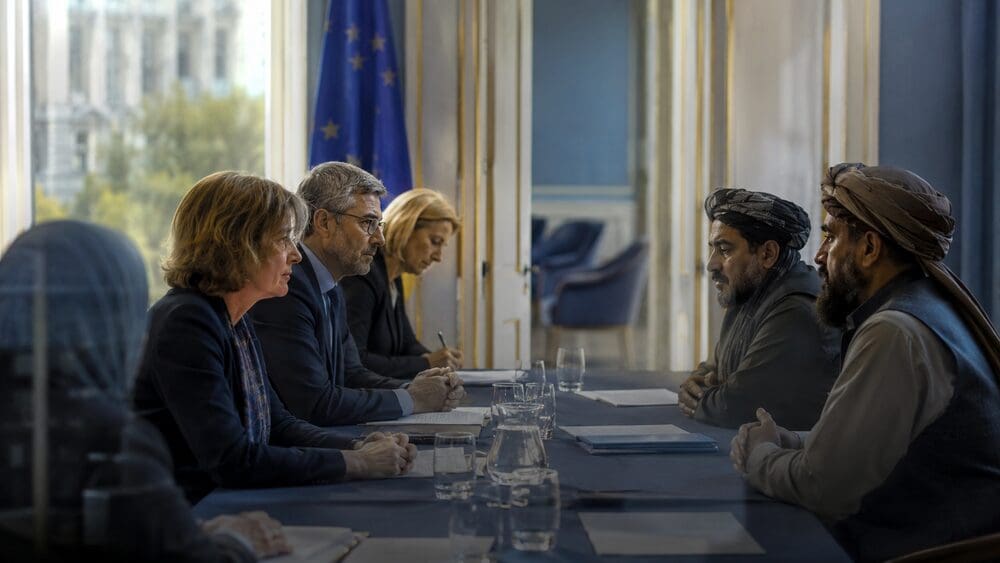
A planned meeting in Brussels on Afghan deportations has increased concerns about rights, recognition, and Europe’s duty not to return people to danger.
The European Union is facing backlash over a meeting in Brussels with Taliban representatives to discuss migration returns, which critics say may weaken Europe’s stance on non-recognition, women’s rights, and protection from forced return to persecution.
Belgium has granted limited one-day visas to a Taliban delegation expected to meet with EU officials in Brussels, as reported on the Belgian visa decision. The meeting is described by EU officials as technical, focused on Afghan nationals without legal residence in Europe, especially those deemed security risks or convicted of serious crimes.
This distinction has not eased concerns for rights groups, Afghan advocates, or some European Parliament members. They worry that even a narrow focus on migration gives the Taliban access in Brussels while Afghanistan’s authorities continue to marginalize women and girls and face international scrutiny for alleged crimes against humanity.
The debate arises as European governments toughen their return policies amid migration, asylum backlogs, and security case pressures. Some member states argue the EU needs channels to return Afghan citizens who have no right to remain, including those convicted of serious offenses.
However, Afghanistan isn’t an ordinary return destination. Since the Taliban seized power in August 2021, the country has faced stringent restrictions on women’s rights. International monitors report arbitrary detentions, reprisals against former officials and civil society figures, and a collapse in independent safeguards.
For the EU, it’s not just about whether someone has a legal claim to stay; it’s also about whether deportation would expose them to persecution, torture, or harm. The principle of non-refoulement in international law prohibits returns to such risks.
Thus, the meeting is more than a procedural issue. It challenges the EU’s commitment to integrate migration policy, external action, and human rights into one legal framework.
In May, the International Federation for Human Rights and other organizations expressed opposition to Taliban engagement in Brussels. They warned that official contact could imply normalization, especially when senior Taliban figures are under international legal pressure and EU sanctions.
The EU asserts that engagement with Afghanistan’s de facto authorities doesn’t equate to recognition. Diplomats maintain limited channels with unrecognized authorities for humanitarian, consular, or security reasons.
The symbolism is potent. Afghan women’s groups warn that international engagement could replace accountability if not tied to rights improvements. Previous coverage highlighted fears that normalizing Taliban rule would further alienate Afghan women and girls.
The Brussels talks thus put the EU between domestic demands for stricter returns and the legal and moral obligation not to use vulnerable people for migration management.
Proponents argue the talks target serious public-order threats. This resonates politically in states where crimes by rejected asylum seekers dominate debate.
Rights advocates fear this could expand to a broader mechanism. Administrative cooperation with the Taliban could be used for convicted offenders and wider groups of Afghans whose asylum claims fail or legal status expires.
Such expansion would be hard to monitor. Oversight in Afghanistan is constrained, and returnees may face questioning, detention, or pressure. Those linked to former government, international forces, rights work, journalism, minorities, or secular society are at particular risk.
Europe’s returns debate clashes with its protection obligations. A credible system must remove those with no right to stay, but must also seriously assess risk and halt returns where danger exists. Europe’s tougher political climate doesn’t negate this duty.
The EU can still set boundaries. It can ensure Taliban contact remains operational, transparent, and separate from recognition. It can impose case-by-case human-rights assessments before returns. It can bolster support for Afghan civil society rather than letting migration talks dominate relations.
For Brussels, the meeting may be technical. For Afghan observers, it signals whether Europe can address security concerns without legitimizing an exclusionary regime.
Failure to convincingly address this will impact not just deportation figures, but the credibility of a European rights policy that claims to uphold human dignity in challenging political times.







Leave a Reply