


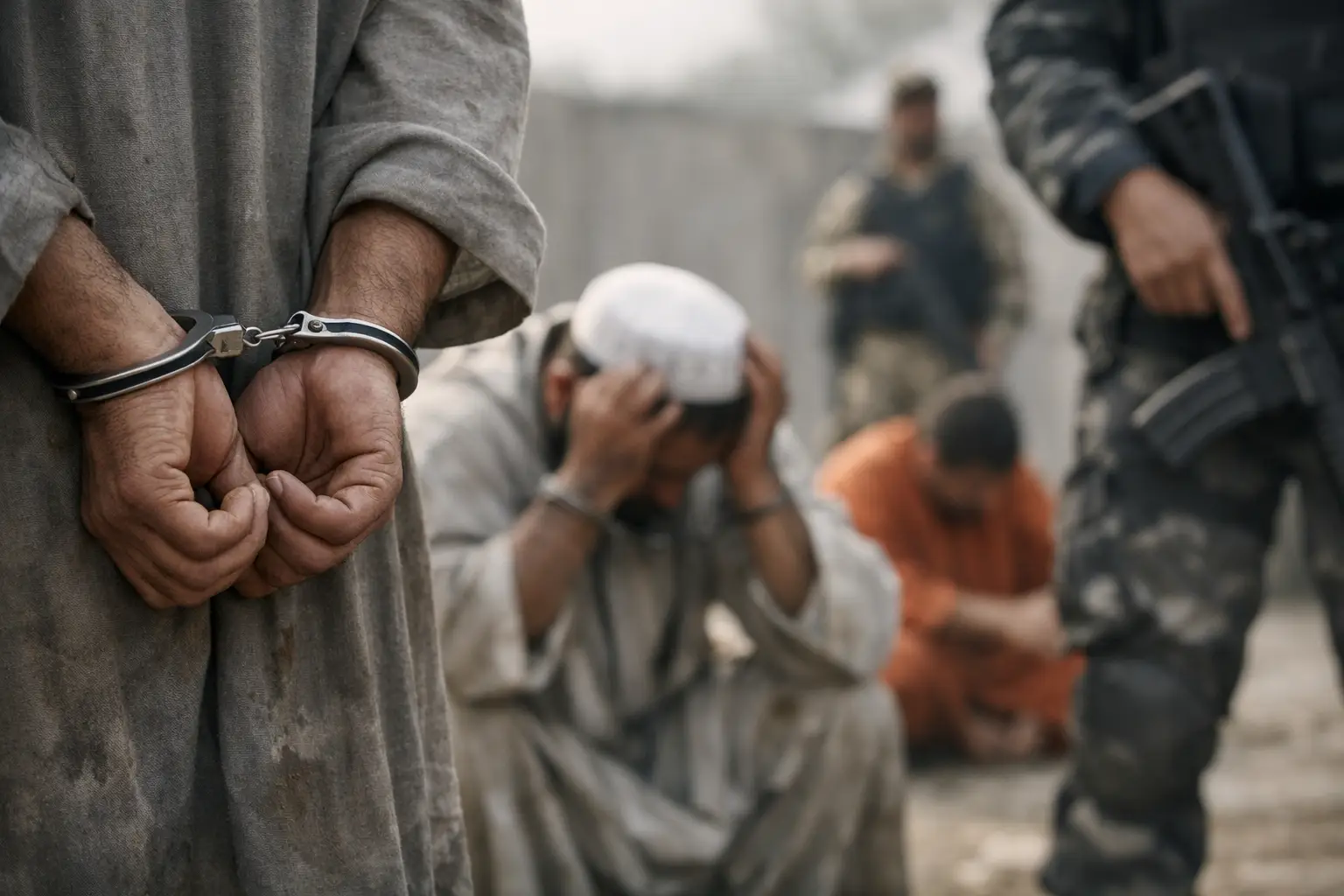
When a state shuts down a church, imprisons a blogger for alleged blasphemy, or forces a minority believer to register with the police, the issue isn’t simply religion. It’s about power. The most revealing cases of religious persecution illustrate how governments, militias, and even local majorities use belief—or lack thereof—as a means to control identity, dissent, and public life.
For European readers, this concern isn’t distant. Religious freedom is embedded in international human-rights law and falls within the scope of European institutions, diplomatic engagement, and asylum systems. It also intersects with security policy, anti-discrimination law, education, migration, and foreign affairs. Treating persecution as a private spiritual matter misses the point. It’s a public-order issue, a legal matter, and often an early warning of broader democratic decay.
What constitutes religious persecution?
Religious persecution goes beyond disagreement, criticism, or offence. In terms of rights, it involves significant coercion, discrimination, or violence directed at people because of their religion or beliefs. This can affect believers, converts, atheists, agnostics, and those accused of holding the “wrong” views.
The threshold is important. Not every social prejudice is persecution, and not every restriction is equally unlawful. A neutral safety rule applied proportionately differs from a law intended to suppress a faith community. The pattern becomes clear when states punish worship, deny legal status, remove children, block employment, encourage mob violence, or criminalize conversion.
10 examples of religious persecution
1. Criminalizing blasphemy and apostasy
One of the clearest examples of religious persecution is using blasphemy or apostasy laws to imprison, intimidate, or execute people for speech and conscience. In some jurisdictions, accusations alone can destroy lives even before any trial. The law becomes a weapon to settle personal disputes, silence minorities, or suppress reformist voices.
This matters because religious freedom includes the right to change religion or have none. Once the state punishes disbelief, theological debate becomes a criminal matter, and citizenship is narrowed to one approved identity.
2. Banning worship or closing places of worship
Authorities may deny permits for churches, synagogues, temples, or mosques, demolish buildings on administrative pretexts, or bar communities from gathering entirely. Sometimes this is done openly, other times disguised as zoning enforcement or registration policy.
The practical effect is severe. Worship can’t function without space, and communities without legal recognition can be easily pushed into illegality. When the state decides which groups can publicly pray, it isn’t regulating religion neutrally; it’s ranking citizens by belief.
3. Mass detention of religious minorities
Some modern examples of religious persecution involve mass internment, political indoctrination, and surveillance against religious minorities. These systems often combine facial recognition, arbitrary detention, restrictions on dress and prayer, and pressure to renounce religious practice.
Such campaigns are usually justified using the language of extremism or national unity. Scrutiny is crucial because collective punishment of an entire faith-linked population isn’t counter-terrorism; it’s rights abuse on an industrial scale.
4. Forced conversion and coercive marriage
In several regions, especially where minorities are socially vulnerable, girls and women face abduction, forced conversion, and marriage under pressure. Families then encounter police indifference, hostile courts, or bureaucratic obstruction when seeking redress.
This form of persecution is often underreported because it intersects religion, gender, and class. It’s not only an attack on belief but also on bodily autonomy and equal citizenship.
5. Targeted mob violence with impunity
Persecution isn’t solely carried out by states. Mobs may attack homes, businesses, and places of worship after rumors of blasphemy, alleged desecration, or inflammatory preaching. What turns these incidents into persecution isn’t just the violence itself but the authorities’ failure to prevent it or punish those responsible.
Impunity sends a message. A minority group learns that formal rights exist on paper while real protection has collapsed in the streets. That gap between law and enforcement is central to religious persecution worldwide.
6. Discriminatory registration systems
Some governments require religious groups to register





Leave a Reply