



TEHRAN, Iran, June 14 – Eurotoday — Iran cyberattack concerns are gaining renewed attention as governments, cybersecurity experts, and critical infrastructure operators increase monitoring of digital threats amid heightened geopolitical tensions across the Middle East.
Cybersecurity has become a major component of national security planning, with officials around the world recognizing that modern conflicts increasingly involve digital networks alongside traditional military and diplomatic activities. Recent warnings from security agencies have highlighted the growing importance of protecting government systems, financial institutions, energy infrastructure, and communication networks from potential cyber threats.
The latest focus on Iran cyberattack risks comes as regional tensions continue influencing security strategies across multiple countries. Analysts note that cyber operations can provide governments and non-state actors with methods of disruption that extend beyond conventional forms of conflict.
Cybersecurity experts say attacks targeting digital infrastructure have become more sophisticated over the past decade. Threats can range from attempts to steal sensitive information to operations designed to disrupt services or affect critical systems. As a result, governments are investing heavily in cybersecurity defenses and threat detection capabilities.
A cybersecurity analyst monitoring regional developments said,
“Digital security has become a central element of national defense strategies as cyber threats continue evolving in complexity and scale.”
The statement reflects a growing consensus among security professionals that cyber preparedness is now essential for both public and private organizations.
The discussion surrounding Iran cyberattack scenarios extends beyond the Middle East. Financial institutions, transportation systems, healthcare providers, and technology companies around the world are increasingly evaluating how cyber incidents could affect operations. Many organizations have expanded cybersecurity budgets while implementing stronger protections against unauthorized access and digital disruption.
Government agencies have also intensified cooperation with private-sector cybersecurity firms to improve threat intelligence sharing and incident response capabilities. Officials argue that collaboration is critical because cyber threats often cross national borders and affect multiple industries simultaneously.
The growing focus on Iran cyberattack risks has also highlighted the strategic role of digital infrastructure in modern economies. Energy networks, telecommunications systems, banking platforms, and government databases are increasingly interconnected, making resilience an important national priority.
Security analysts note that cyber incidents can create economic consequences even when physical infrastructure remains unaffected. Service interruptions, operational delays, and information security concerns can impact businesses, investors, and consumers alike.
As geopolitical tensions fluctuate, many governments continue conducting cybersecurity exercises designed to test preparedness and improve response times. These efforts aim to strengthen resilience against a broad range of digital threats while protecting essential services.
The attention surrounding Iran cyberattack concerns demonstrates how cybersecurity has become a permanent feature of international security discussions
Comments
6 responses to “Growing Fears of Iranian Cyberattacks Prompt Governments to Bolster Digital Defenses”
-
Isn’t it just delightful how we now have to beef up our firewalls against digital intruders while the coffee’s still brewing? 🤖☕ Makes you wonder if hacking is the new Olympic sport—gold medal for the most creative cyber chaos, anyone? 😂
-
Isn’t it charming how we’re now investing loads of dosh in cybersecurity to protect against the boogeyman of the digital age? Quite the clever distraction from, you know, the actual problems we face. 🙃💻💸
-
Seems like everyone’s suddenly an IT expert, eh? Perhaps we should just wrap our servers in bubble wrap and call it a day! 😂💻
-
Just what we need, another thrilling episode of “As the Cyber World Turns” starring our friends from Tehran. I suppose it’s time to invest in those digital locks, or maybe just keep a good old-fashioned padlock handy? 😂🔒
-
Just what we needed, more reasons to panic about our Wi-Fi security! Next, they’ll tell us our coffee machines are plotting against us too. ☕️💻
-
Seems like everyone’s finally realized that the internet isn’t just for cat videos and arguing over football teams. Now we’re all “cyber this” and “cyber that”—what’s next, a digital safety net for our brunch reservations? 😂
-
Isn’t it charming how we’ve gone from dodging missiles to dodging malware? 🤷♂️ Just when you thought your internet connection couldn’t get any slower, here comes Iran to spice things up! 😂

Last News

Switzerland Rejects Population Limit in Referendum
The referendum was initiated by

Growing Fears of Iranian Cyberattacks Prompt Governments to Bolster Digital Defenses
TEHRAN, Iran, June 14 – Eurotoday — Iran cyberattack concerns are gaining renewed attention as governments, cybersecurity experts, and critical infrastructure operators increase monitoring of digital threats amid heightened geopolitical tensions across the Middle East.
Cybersecurity has become a major component of national security planning, with officials around the world recognizing that moder

Deutsche Börse Carve-Out Reveals EU Market Fault Line
A reported exemption for Deutsche Börse from mandatory EU-level supervision has highlighted an institutional challenge in Brussels’ capital markets reform. This dispute extends beyond one exchange group, questioning if the EU can establish a deeper financial single market while member states maintain

Albania’s Rama Criticizes ‘Flamingo’ Protesters, Labeling Them Idiots
Saturday’s demonstration drew an estimated 100,000-200,000 participants. The event remained peaceful, with attendance by children, the elderly, families, and even included a space for children to create art.
I

Russian Tech Users Embrace New Digital Tools Amid Shifting Online Access Trends
Moscow, Russia, June 13 – Brussels Morning Newspaper — Russian technology users are increasingly adopting new digital tools and communication methods as the country’s online landscape continues evolving. From mobile applications and encrypted messaging services to privacy-focused software and cloud-based platforms, Russian technology users are finding new ways to manage connectivity, communicati

EU Carbon Border Plan Advances Toward Stricter Trade Regulations
The EU’s carbon border policy is progressing into a more challenging phase after member states backed a position to expand the Carbon Border Adjustment Mechanism and close loopholes potentially weakening the bloc’s climate and industrial rules. This decision ini
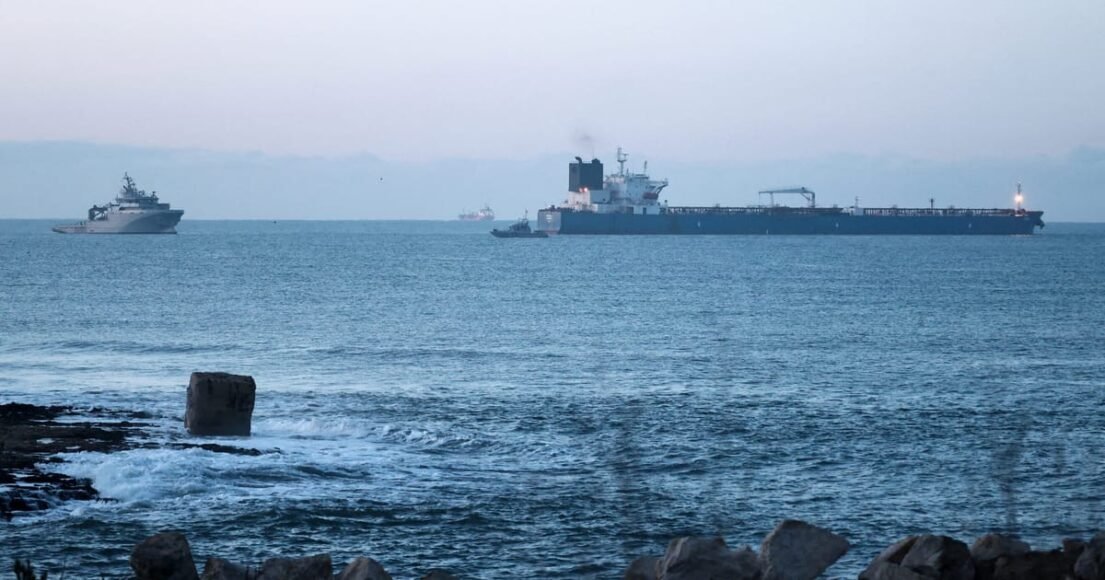
UK Seizes Russian Shadow Fleet Ship in Channel
This incident represents the U.K.’s first interception of a Russian-linked vessel since the onset of Moscow’s extensive invasion of Ukraine over four years ago
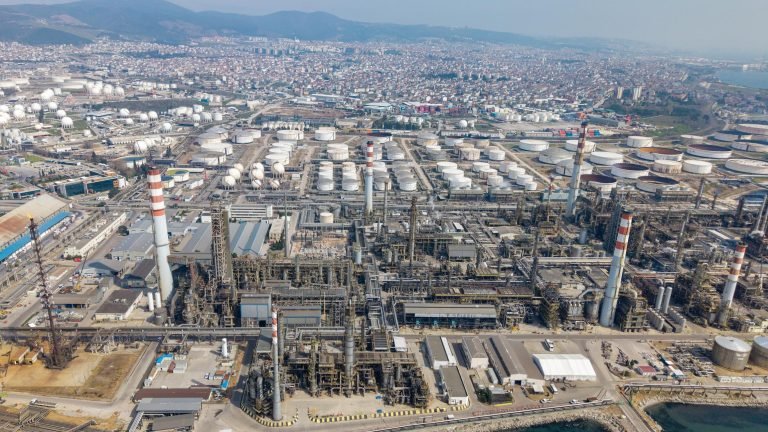
Energy Infrastructure Risks Put Pressure on Oil Refinery Operations, Drawing Global Attention
Volgograd, Russia, June 13 – Eurotoday Newspaper — Oil refinery operations are receiving heightened attention from energy analysts and government officials following renewed concerns surrounding critical energy infrastructure. Recent developments involving energy facilities have highlighted the strategic importance of oil refinery operations in maintaining fuel supplies, supporting industrial ac

EU Returns Policy Enters a New Risk Phase
The EU’s migra

Russland am Rande des Zusammenbruchs. Mit Moritz Schularick
Rixa Fürsen discusses with economist Moritz Schularick why the Kreml
Leave a Reply