


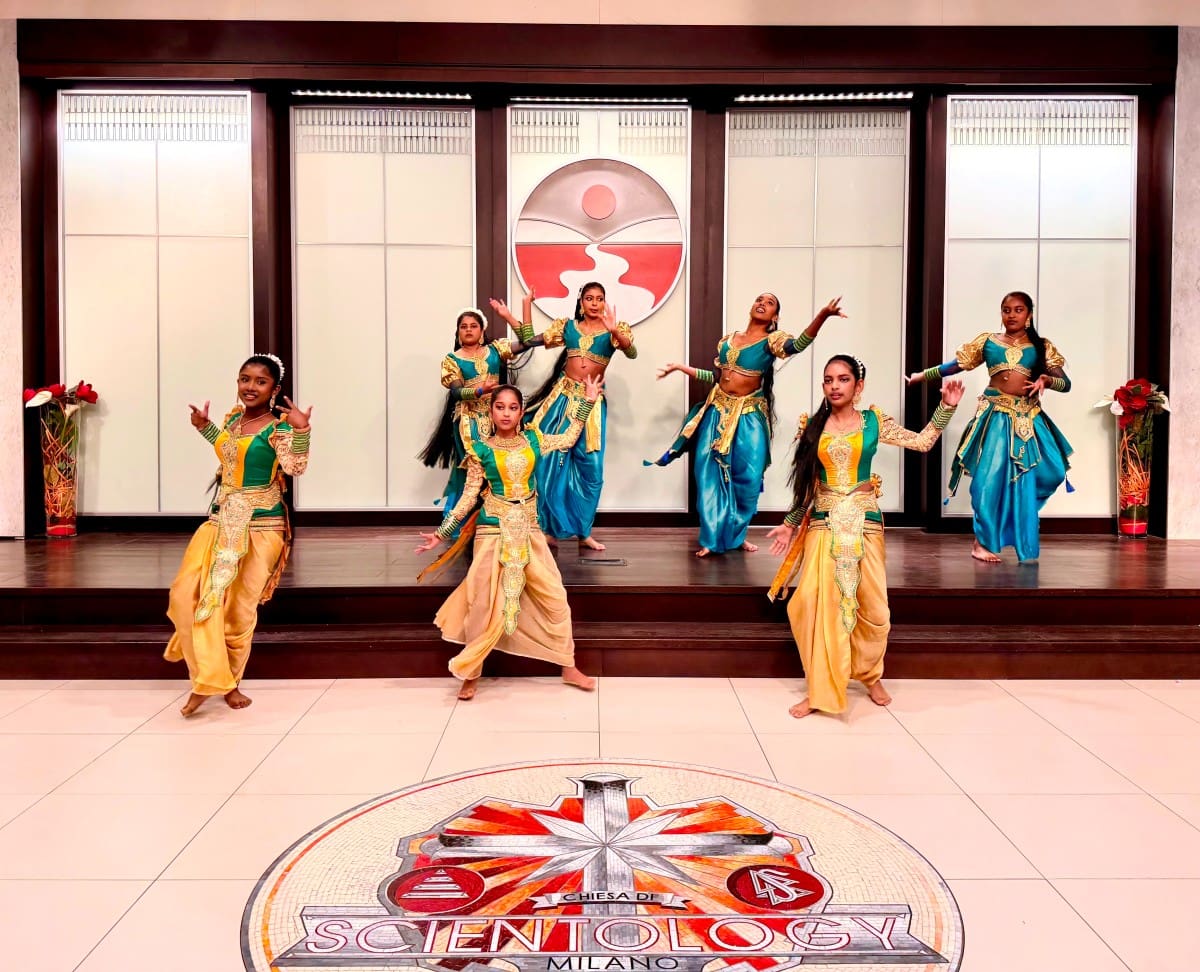
KINGNEWSWIRE // PRESS RELEASE // An event in Milan emphasized dialogue, youth involvement, and shared ethical values through The Way to Happiness, the common-sense moral code penned by Scientology founder L. Ron Hubbard.
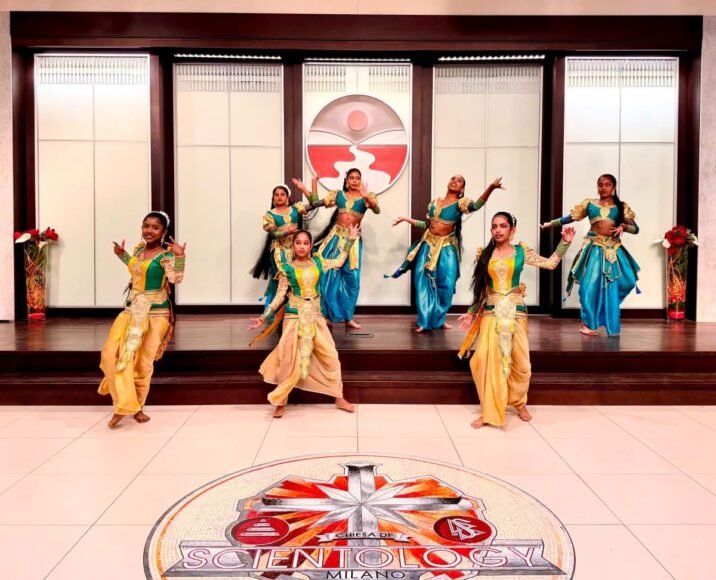
MILAN, Italy — 11 June 2026 — The Church of Scientology in Milan recently hosted members of the Sri Lankan community for an intercultural event focusing on dialogue, integration, and the practical values found in The Way to Happiness, a non-religious moral code created by L. Ron Hubbard.
The event gathered community leaders, families, youth, and volunteers for a day centered on peaceful coexistence, respect, and shared responsibility. Organizers described the occasion as a chance to strengthen bonds among communities in Milan and to offer younger generations a straightforward framework for reflecting on personal conduct, everyday choices, and mutual respect.
The Sri Lankan community’s involvement lent a warm, family-focused atmosphere to the gathering. Organizers encouraged young people to attend to become acquainted with the 21 precepts of The Way to Happiness early on. Discussions centered on how values like honesty, caring for children, responsibility, trustworthiness, and respect for others’ religious beliefs contribute to social harmony in a multicultural city.
Milan, a major urban and economic hub in Europe, is home to communities from Asia, Africa, Europe, and Latin America. Local initiatives encouraging dialogue and understanding are especially relevant in this context. The event created a space where adults and youth could discuss integration not as an abstract policy but as a daily practice influenced by ordinary decisions, respectful communication, and a willingness to understand one another.
Sri Lankan community representatives emphasized the importance of providing young people with stable reference points amid social pressure, digital distraction, and future uncertainties. The booklet’s 21 principles were presented as a practical ethical compass guiding individuals to make decisions based on self-respect and consideration for others.
Precepts discussed included “Set a good example,” “Be worthy of trust,” “Fulfill your obligations,” “Respect the religious beliefs of others,” and “Try to treat others as you would want them to treat you.” Participants noted that these ideas are easily understood across cultural and religious backgrounds because they establish basic conduct standards needed in family life, school, work, and community relations.
First published in 1981, The Way to Happiness is presented as a common-sense guide to better living, consisting of 21 basic principles applicable to people regardless of race, culture, or creed. Its non-religious character has made it suitable for civic, educational, and community settings, including interfaith and intercultural environments.
The text has been widely distributed internationally and recognized for its extensive translation record. Its central objective is to encourage personal responsibility and social trust through simple principles applicable in daily life. For communities navigating cultural adaptation, generational differences, and urban challenges, participants at the Milan event saw the booklet as a valuable basis for discussion.
The Church of Scientology’s connection to the initiative is both institutional and historical. While the booklet is non-religious in content, it was authored by L. Ron Hubbard and widely supported by Scientology churches, missions, and volunteers as part of their social betterment work. In Milan, the event exemplified how such materials can unite communities around values not requiring theological agreement.
Ivan Arjona, the Church of Scientology’s representative to the European Union, the OSCE, the Council of Europe, and the United Nations, said the Milan event reflected a civic cooperation form especially relevant in today’s Europe.
“Europe’s strength








Leave a Reply