


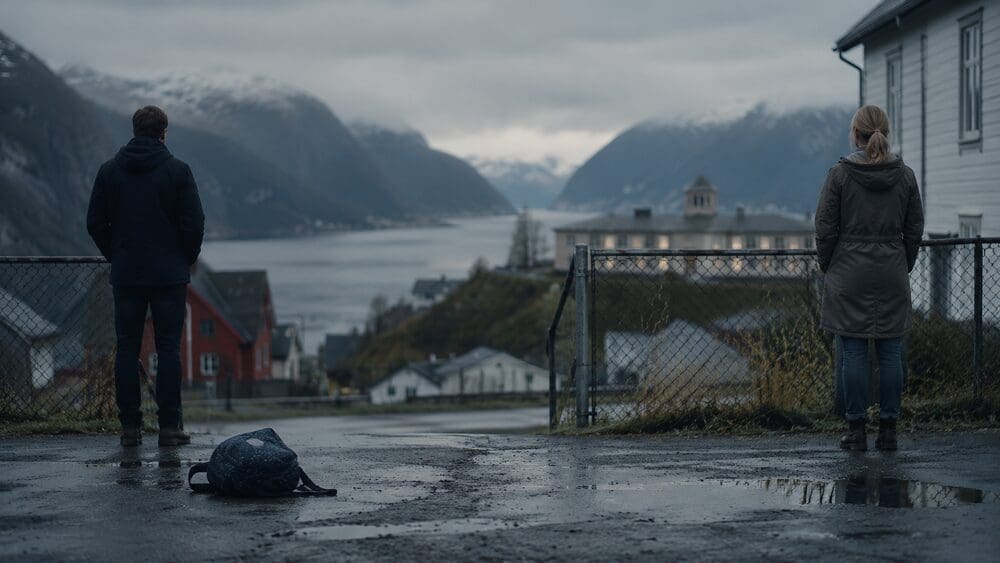
Cristian Mungiu’s “Fjord,” the 2026 Palme d’Or winner at Cannes, presents a compelling moral drama that delves into the collision between a family’s personal beliefs and the protective role of the welfare state. Set in a secluded Norwegian village, the film explores themes of suspicion, belief, and control when institutional frameworks encounter cultural differences.
Mungiu, known for examining systems affecting ordinary lives, crafts “Fjord” around the Gheorghius, a Romanian-Norwegian couple in a remote fjord village. Their fragile relationship with neighbors, the Halbergs, shatters when young Elia appears with bruises, igniting community concerns about traditional upbringing and harm. The film maintains an atmosphere of ambiguity, resisting simple accusations.
The power of “Fjord” lies in its complexity, avoiding simplistic moral comforts. Mungiu avoids portraying the family purely as victims or dismissing public concern about child welfare. Instead, the film navigates the complex intersection of parenting, religion, migration, social trust, and state intervention. This challenging terrain, marked by severity, becomes both its strength and risk.
“Fjord,” at 146 minutes, requires patience, intertwining silences, procedural detail, and emotional responses. The cold landscapes and precise framing emphasize isolation, but also distance the characters, particularly when deeper insight into the children’s inner lives is needed.
The film’s European significance emerges through its examination of family as a social and legal entity, echoing debates on children’s rights, parental authority, and cross-border family life. Mungiu’s work goes beyond policy discussion, revealing vulnerabilities formed at the intersection of identity, paperwork, belief, and suspicion.
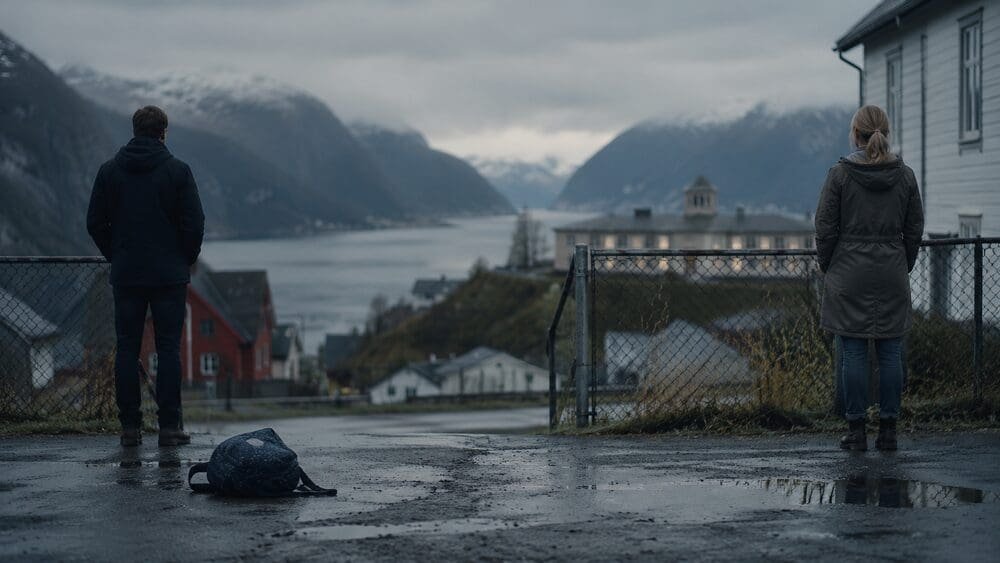
With performances by Sebastian Stan and Renate Reinsve, “Fjord” achieves international recognition, yet its essence lies in restraint. Mungiu crafts a narrative where withheld glances, hardened conversations, and domestic spaces losing refuge intensify the drama. The Norwegian fjord adds symbolic layers of beauty, distance, and silence, creating a setting where human conflict feels both insignificant and trapped.
Awarded the Palme d’Or at the 79th Festival de Cannes, “Fjord” solidifies Mungiu’s reputation. Its ambition and disciplined craft underscore an urgent subject, though audience reactions may vary regarding its emotional resonance. Mungiu’s approach, more complexity than evasion, challenges viewers to grapple with unresolved societal questions about child protection, family life, and minority identities.
“Fjord” lingers by confronting the complexities of protecting children without reducing parents, migrants, or religious minorities to mere case files. Its value lies in posing questions that resist straightforward answers, establishing it as a rigorous European drama confronting care, fear, and judgment.








Leave a Reply