


A significant number of European Union nations approved on Friday the bloc’s move to formalize the Mercosur free trade agreement with Brazil, Argentina, Uruguay, and Paraguay after lengthy negotiations, following a last-minute delay just before Christmas.
At a meeting of EU member state ambassadors in Brussels, five countries—France, Poland, Austria, Hungary, and Ireland—voiced their opposition, while Belgium chose to abstain. The deadlock from December was resolved with Italy’s approval after it received final guarantees regarding its concerns.
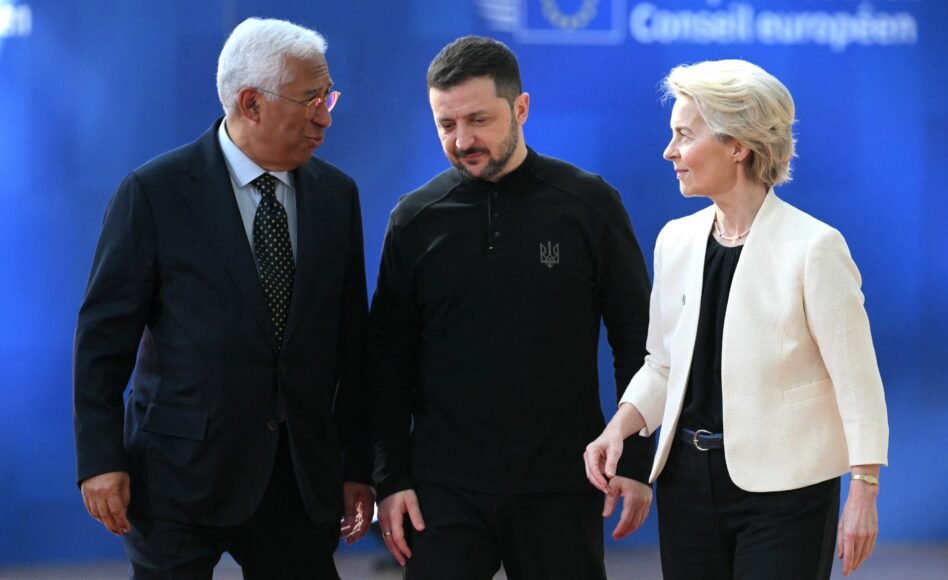
Consequently, on Saturday, January 17, European Commission President Ursula von der Leyen and European Council President António Costa will visit Asunción, Paraguay, the current holder of the rotating Mercosur presidency, to officially sign the treaty.
Von der Leyen emphasized that this decision positions Europe as a “reliable partner” capable of charting its own path. She noted that Europe has sent a clear message regarding its commitment to trade diversification and reducing dependencies.
The agreement has also garnered support in South America, with Brazilian President Luiz Inácio Lula da Silva calling it a historic day for multilateralism. He remarked that in an increasingly protectionist international landscape, this agreement signifies that international trade can spur economic growth beneficial to both regions.
However, the deal must still clear the European Parliament, where voting alliances have shifted and become unpredictable. A date for the vote has yet to be disclosed. Farmers have expressed strong opposition, with organizations like the Irish Farmers’ Association actively working to derail the agreement in parliament.
If the agreement is ratified, the new trade zone, which would encompass over 700 million people, would be the largest such zone globally, according to the European Commission. Projections suggest annual EU exports to Mercosur countries could rise by 39 percent, equating to 49 billion euros, potentially creating over 440,000 jobs in Europe.
Last year, the EU’s trade tensions with the United States injected new urgency into the stalled negotiations, underscoring the importance of fair trade. The German industry had long advocated for the completion of the deal, and German Chancellor Friedrich Merz hailed the breakthrough as a “milestone in European trade policy.”
Industries such as automotive, mechanical engineering, and pharmaceuticals stand to gain significantly, particularly as car imports to Mercosur currently face a 35 percent tariff. Deloitte economist David Marek noted the importance of this agreement amidst a growing trend of domestic market protectionism, which could lead to increased competition and lower prices within the European market.
Czechia is poised to be one of the major beneficiaries, with its automotive sector set to see substantial gains. Spain, a proponent of the deal, has expressed optimism about its potential to open new markets and enhance employment opportunities.
Portugal’s Minister of Agriculture and the Sea, José Manuel Fernandes, emphasized the agreement’s significance given the current geopolitical climate, citing “great opportunities” for Portuguese products and the potential to address a significant trade deficit with Mercosur.
Denmark and Sweden also supported the trade agreement, with Danish officials regarding it as a vital step, especially in light of previous tariff impositions by the U.S. Their ministers highlighted the benefits for trade-dependent economies and the prospects for businesses eager to expand into Mercosur.
Despite the support, the European Commission’s efforts to achieve consensus among member states have faced hurdles. France has been at the forefront of opposition, citing concerns that the influx of cheaper goods from Brazil and neighbors could undermine its crucial agricultural sector.
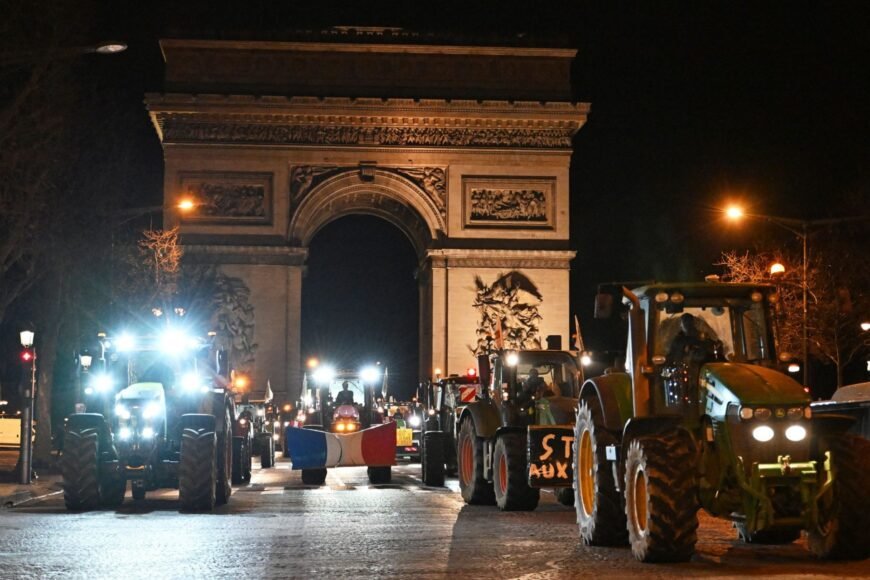
Farmers in various countries have staged protests, escalating tensions as they demand decisive action from their governments in response to their concerns. The French Agriculture Minister emphasized that the parliamentary vote remains critical, as the farmers’ dissatisfaction is profound and their concerns valid.
Meanwhile, protests were similarly organized in Poland and Ireland, with farmers voicing fears about the potential impact of cheaper imports on local markets. In response, Polish officials have expressed a willingness to engage with the agricultural community and have consistently opposed the agreement in parliamentary votes.
Even nations that supported the agreement are under pressure from their agricultural sectors. In Slovenia, for example, leaders from the farming community have voiced strong opposition, prompting reassurances from the government about monitoring the deal’s implementation for any risks to local agriculture.
To secure Italy’s support, the adjustment of safeguards was pivotal, specifically reducing the threshold for triggering investigations into sensitive agricultural products from 8 percent to 5 percent, a measure deemed essential for protecting EU farmers.
Rome’s endorsement was contingent on assurances that addressed farmers’ concerns, ensuring that the agreement does not jeopardize the quality of Italian products. Reassurances included a compensation fund and enhanced controls on plant health, alongside engagements to address additional issues that may arise for farmers.
As the EU-Mercosur agreement proceeds, it now awaits further evaluation by member states and the European Parliament, facing a crucial moment in its path forward.



Leave a Reply