


The rush to enforce a ruling against a post-operative detainee raises questions no democracy should ignore.
There are moments in judicial history when the behavior of authorities reveals more about the system than about the accused. The case of Konstantin Rudnev in Argentina has reached that point. The prosecutors’ determination to return him to prison with immediate effect, despite his medical condition and the legal avenues still open to him, resembles a campaign rather than a procedure. It is difficult to describe this without using the French word “acharnement,” which conveys a pursuit so persistent it begins to resemble institutional fury.
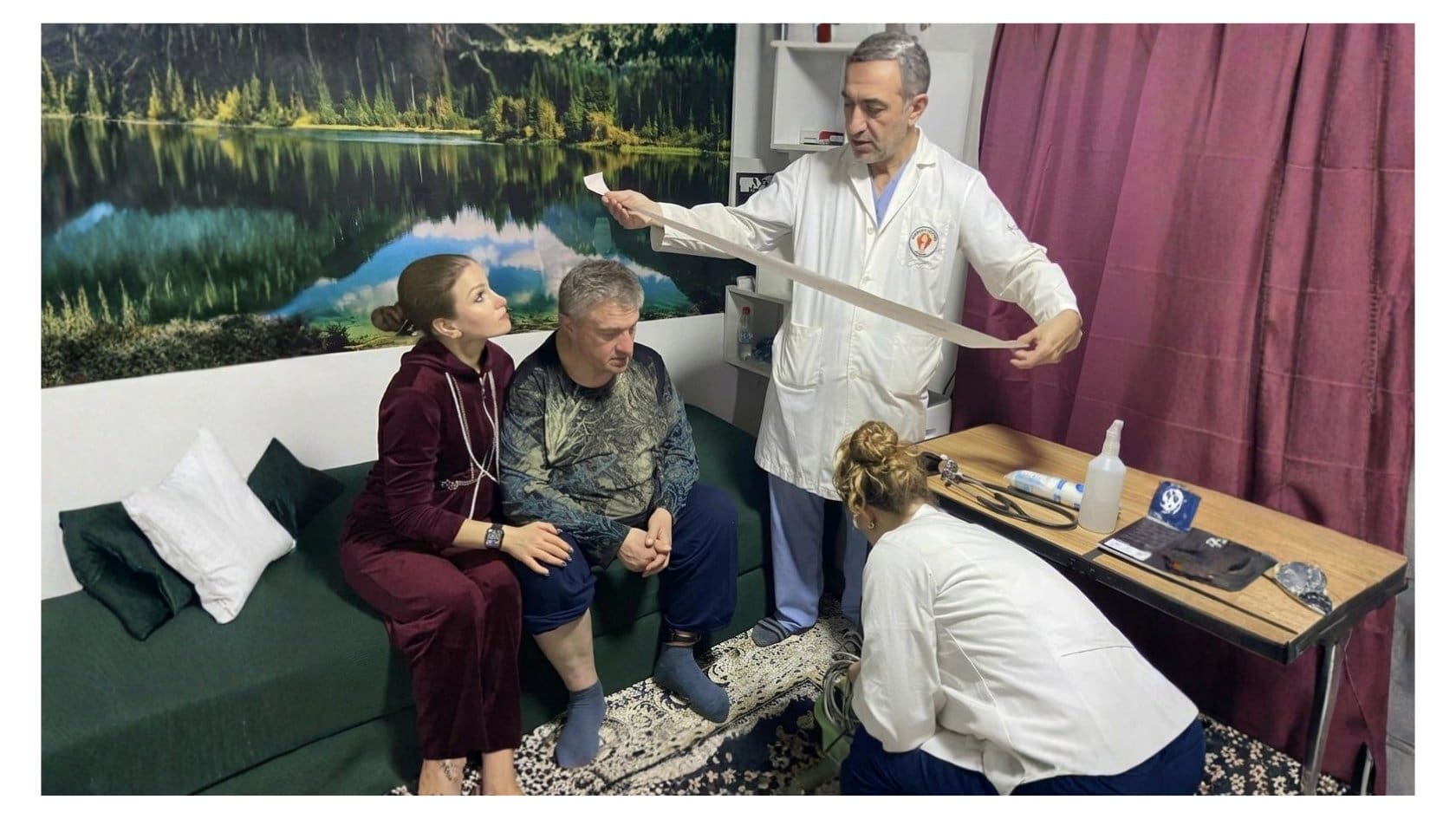
The humanitarian dimension of this story is impossible to overlook. Before his recent surgery, Rudnev suffered from a hernia documented for months. When the court finally granted him house arrest, the authorities refused to allow air travel, forcing him into a long, punishing road transfer. His surgeon later described this as medically dangerous. A medical certificate stated the journey caused an acute hernia complication, leading to urgent hospitalization and surgery. The transfer was executed despite warnings and safer alternatives. It was an ordeal no detainee, especially one with fragile health, should endure.
After surgery, the situation became more serious. The surgeon prescribed forty-five days of rehabilitation, until July 11, due to the complexity of the operation and delicate recovery needed. Rudnev is in a post-operative state with inflammation, risks related to the surgical mesh, and needs careful medical supervision. Several specialists confirmed his condition requires caution. Yet prosecutors are pressing for a forensic medical examination soon, with the aim of sending him back to prison before the recovery period ends. The haste overshadows medical facts, raising the question of what matters more: the detainee’s health or the satisfaction of seeing him behind bars again.
There is also a legal dimension that cannot be overlooked. The decision of the Cassation Chamber is not final while an appeal to the Supreme Court is still possible. The legal deadline for such an appeal has not expired. Normally, this would suspend enforcement. Yet prosecutors act as if the ruling were definitive, pushing for immediate execution, as though procedural guarantees have become optional. This attitude is difficult to reconcile with due process principles, suggesting a willingness to bend rules hindering a predetermined outcome.
The broader pattern is troubling. Prosecutors’ conduct resembles a campaign driven by hostility rather than an impartial search for truth. Their insistence on speed, disregard for medical evidence, and impatience with legal safeguards raise questions about their ability to remain neutral. When prosecutors seem more interested in symbolic victories than respecting the accused’s rights, the system’s integrity is at stake.
This is not only about one man; it is a test of the rule of law. What remains of democratic values if a detainee’s health, dignity, and procedural rights are brushed aside? Argentina presents itself as committed to human rights, a commitment measured by actions, especially towards vulnerable individuals whose guilt is unproven. Rudnev suggested the case exposes deeper institutional issues, remnants of authoritarian habits in the judicial system. When officials act without restraint, the consequences fall on those least able to defend themselves.
Democracies are judged by how they treat those who stand alone before the state. The “acharnement” in this case raises questions going beyond one defendant’s fate. It challenges the credibility of institutions claiming to uphold justice, forcing us to ask if the system can correct itself or if it has grown accustomed to practices no modern democracy should tolerate.










Leave a Reply