


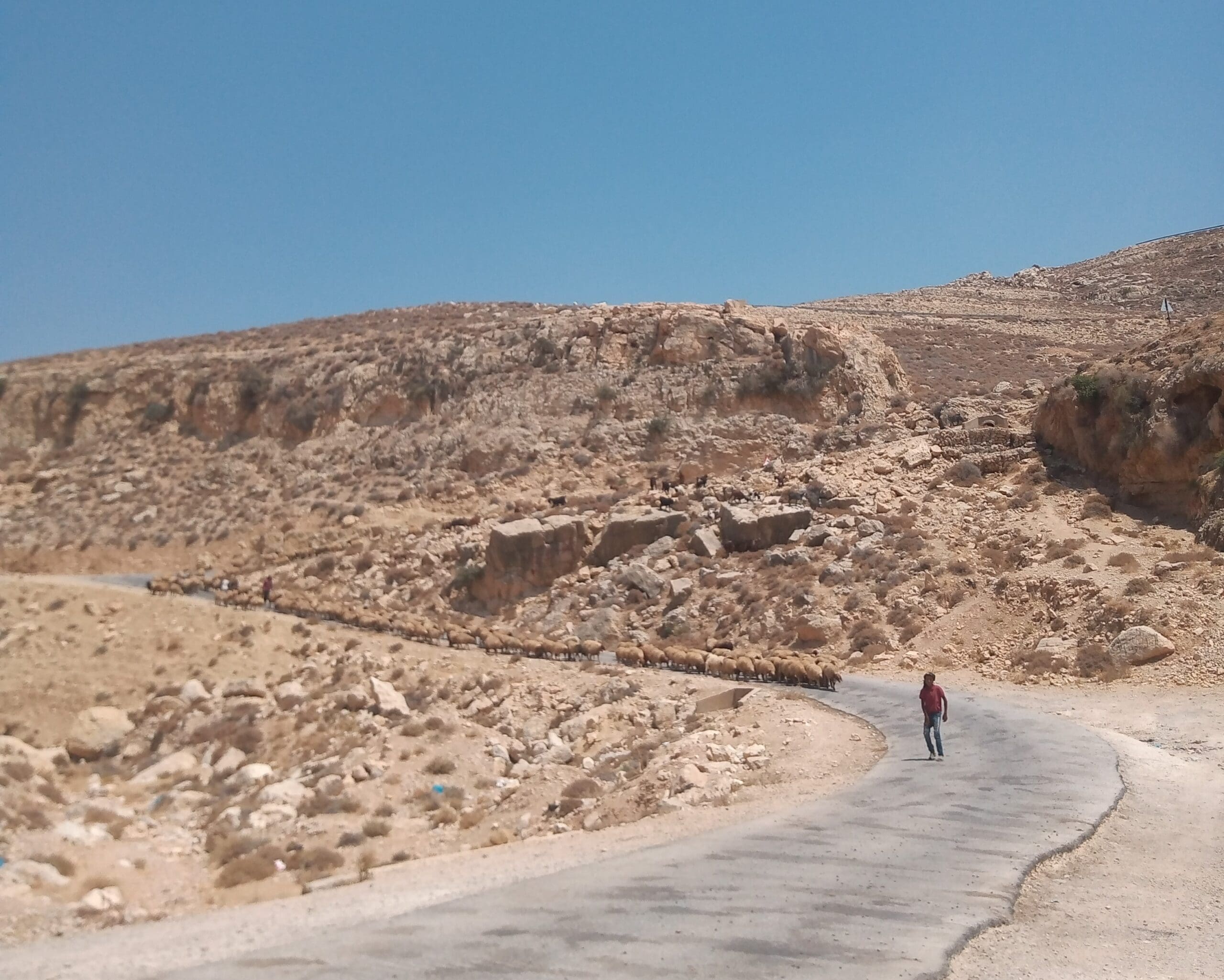
Canaan (Hebrew: כְּנַעַן Kəna‘an – “submissive, subject”) was the son of Ham and grandson of Noah (Gen. 9:18). Following Ham’s disrespect towards Noah, a curse was placed not on Ham but on his son Canaan: “cursed be Canaan; a slave of slaves shall he be to his brothers” (Gen. 9:25). Canaan became the forefather of the peoples referred to in the Bible as the Canaanites.
The Canaanites were the descendants of Canaan and the original inhabitants of the land of Canaan, stretching from Sidon to the southern borders of Gomorrah (Gen. 10:15–19). They were divided into numerous tribes such as the Hittites, Amorites, Jebusites, Perizzites, Hivites, and Girgashites, living in fortified cities without a common central authority. Their language and names were Semitic, closely related to Phoenician and Hebrew.
Religiously, the Canaanites were noted for their developed paganism and worship of deities like Baal, Ashtoreth, and Molech, along with idolatry and severe moral corruption. Hence, from a biblical viewpoint, they are depicted as a people whose “measure of iniquity” was complete (Gen. 15:16), prompting strict commands for Israel to separate from and destroy them (Ex. 23:32; Deut. 7:1–5). However, the Israelites did not completely eradicate the Canaanites; many continued to coexist with Israel, often as tax collectors or subjects (Judg. 1). This led to cultural and religious intermingling, idolatry, and significant repercussions for Israel, particularly during the period of the judges. Remnants of the Canaanite peoples are also mentioned in later biblical times under David, Solomon, and after the Babylonian captivity.










Leave a Reply