


From Brussels to the United Nations, activists, diplomats, legal experts, and civil society leaders delivered a clear and urgent message: the time for statements without action is over. Calling for arms embargoes, sanctions, and legal accountability, speakers accused European governments and international institutions of enabling impunity through continued political, military, and economic ties with Israel, while urging stronger collective action to uphold international law and justice for Palestine.
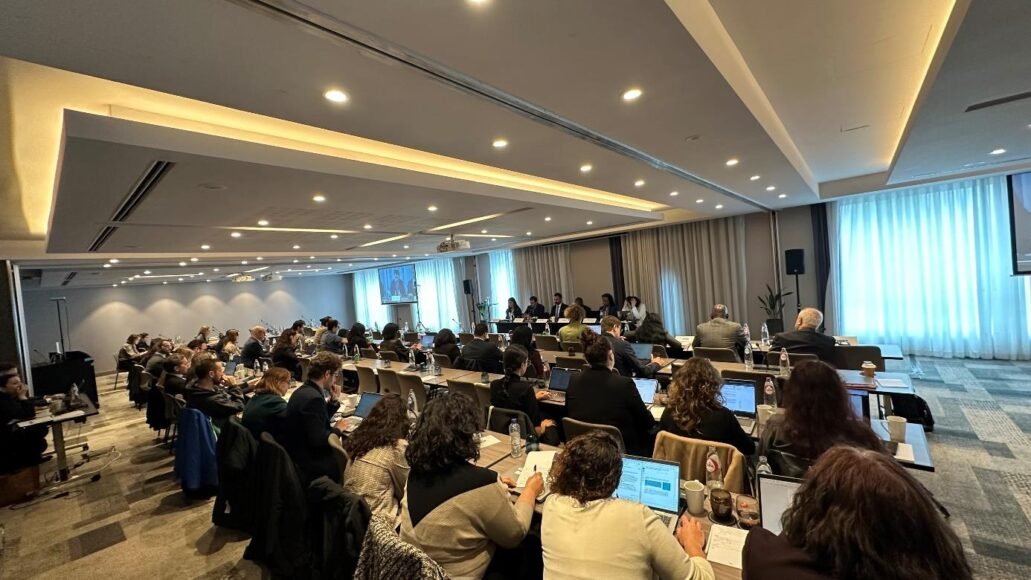
During a conference organized by several international organizations in Brussels, researcher Shir Hever stated: “A few weeks ago, an Israeli commander described it as a ‘miracle’ that Palestinians are not responding more forcefully to the terror, killings, dispossession, and violence inflicted upon them in the West Bank. He openly admitted: ‘We are killing like never before since 1967.’”
He added: “Let us be clear: Palestinians are not ignoring these atrocities. Families who are being killed, displaced, and wounded cannot ignore them. What is truly alarming is that impunity has become so normalized that such violence can be spoken of openly and even celebrated.
This is not only a reflection of Israel’s actions; it is also a reflection on all of us and on the international community’s failure to exert meaningful pressure. Each and every one of us carries an individual responsibility not to remain silent in the face of atrocities and crimes against humanity. Silence is complicity. We have the responsibility to act.”
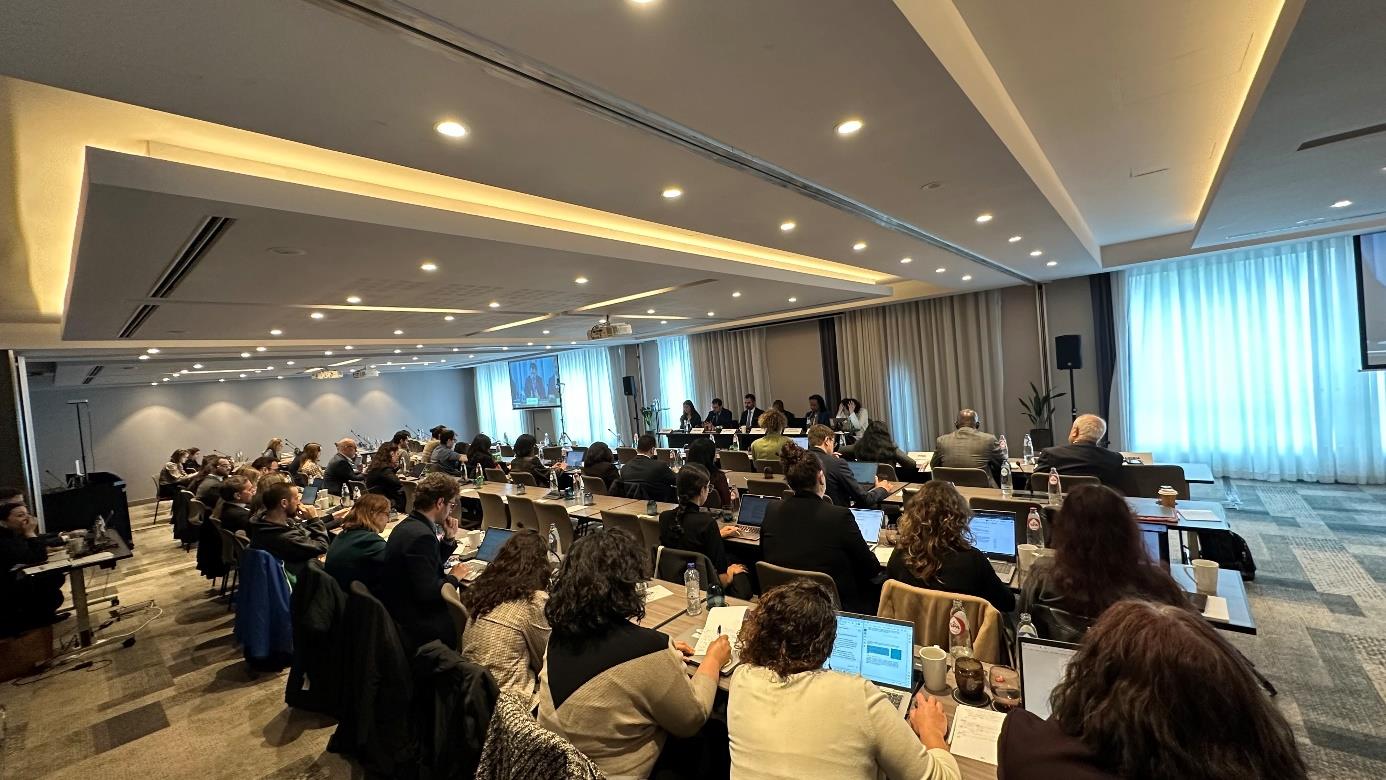
Hever stressed that responsibility must go beyond words and individual gestures. “Our responsibility is not only to avoid complicity through silence or inaction, but to take an active stand against atrocities, apartheid, and genocide. Yet meaningful action cannot remain individual; it must be collective, strategic, and organized.
Civil society exists to hold governments accountable when they fail to uphold their legal and moral obligations. Here in Brussels, we must say clearly: Belgium and the European Union cannot continue ignoring their responsibility while arms and military equipment pass through European ports toward Israel.”
Referring specifically to Belgium, Hever said: “The Belgian government has the authority to inspect ships passing through the Port of Antwerp, yet chooses not to ask questions because knowing the truth would require action. This culture of impunity allows atrocities to continue.”
He also emphasized the importance of coordinated pressure campaigns: “That is why collective pressure matters: unions refusing to handle arms shipments, universities cutting institutional ties with apartheid structures, churches, banks, and pension funds divesting from companies enabling war crimes. Individual gestures are not enough. What is needed is organized civil action powerful enough to force governments to impose sanctions and end complicity.
Silence is complicity. Neutrality in the face of genocide is not neutrality at all. We have the responsibility to act collectively, courageously, and without delay.”
Political advocacy and social movements activist Alys Samson also addressed the conference, delivering what she described as a message from Spanish civil society. “Today, I stand with a clear message from Spanish civil society: the time for statements without action is over. The world must impose sanctions on Israel and end all complicity with apartheid, occupation, and genocide against the Palestinian people.”
She noted that political shifts in Spain were achieved through years of



Leave a Reply