


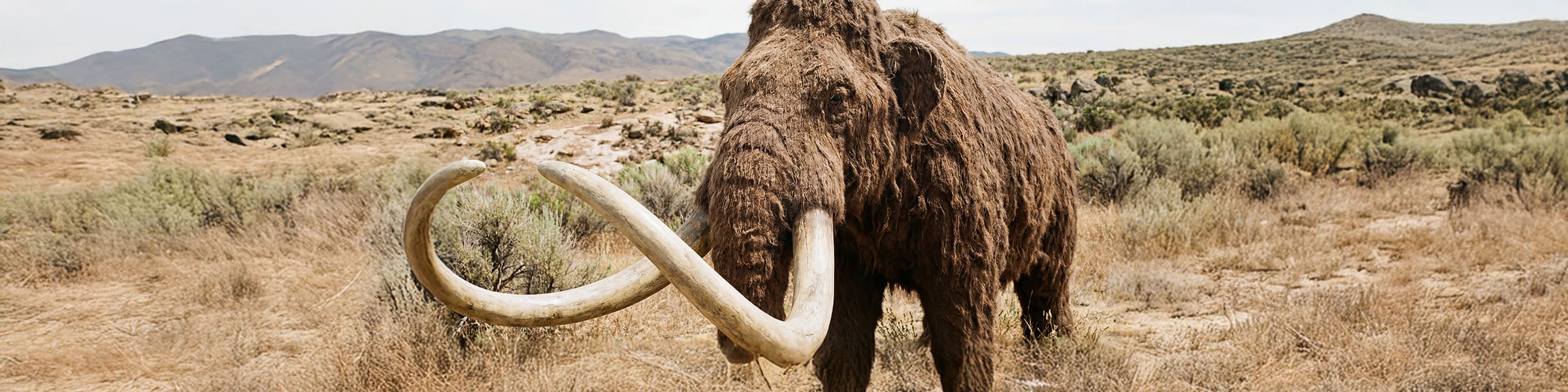
Before the peak of the last Ice Age, woolly mammoth herds moved across Central Europe, navigating the cold grasslands and tundra. Archaeologists have found large collections of mammoth bones in the region, raising questions since the 19th century about their origin—whether from hunting, natural deaths, or both—and what they reveal about human interaction with these animals.
A European research team, funded by the EU, is examining key sites in Poland, Czechia, and Austria under the MAMBA project, led by Dr. Jarosław Wilczyński from the Polish Academy of Sciences. The team aims to learn about life 35,000 to 25,000 years ago by combining archaeology with modern scientific methods, including genetics, isotope chemistry, and more. They integrate fieldwork with lab analysis, utilizing both new materials and existing museum collections.
Through stable isotope analysis, researchers can determine what mammoths ate, their habitats, and the seasons they died. Ancient DNA studies give insights into mammoth populations, while strontium and oxygen isotopes help trace their movements. Improved radiocarbon dating refines the chronology of the sites, and better understanding of past environments sheds light on the landscapes of that era. The team emphasizes conservation alongside analysis, prioritizing new excavations to avoid damaging historical collections.
David Díez del Molino, from the Centre for Palaeogenetics in Stockholm, leads the aDNA work, focusing on degraded samples from non-permafrost sites. Advanced DNA extraction techniques now allow the study of previously unsuitable samples, potentially opening museum collections to further analysis. The MAMBA team aims to have analyzed over 400 samples by the project’s end.
The research challenges previous views about humans as mere scavengers; instead, they seem to have been skilled hunters, adept at planning and executing complex hunts. They likely understood mammoth migration patterns, strategically positioning themselves to improve hunting success. This required cooperation and social structure, as evidenced by the bone accumulations left behind.
The woolly mammoth was not just a food source; it was a keystone species that influenced its environment. For humans, it provided meat, fat, ivory, and bone for various uses. During the Upper Palaeolithic, a time of rapid environmental change, humans demonstrated adaptability in exploiting available resources. Researchers are examining the impact of human hunting on mammoth population decline, alongside climate change.
The decline and extinction of mammoths likely resulted from multiple interacting factors. Understanding these processes offers broader insights into human resilience and adaptability. Ice Age humans were active participants in their environment, influencing and being influenced by it.
This research, funded by the European Research Council, offers a glimpse into the dynamic interactions between humans and their environment during the Ice Age. The findings speak volumes about human adaptive strategies and the lasting impact of mammoths.
(Research funded by the European Research Council. Views expressed do not necessarily reflect those of the European Commission.)











Leave a Reply