


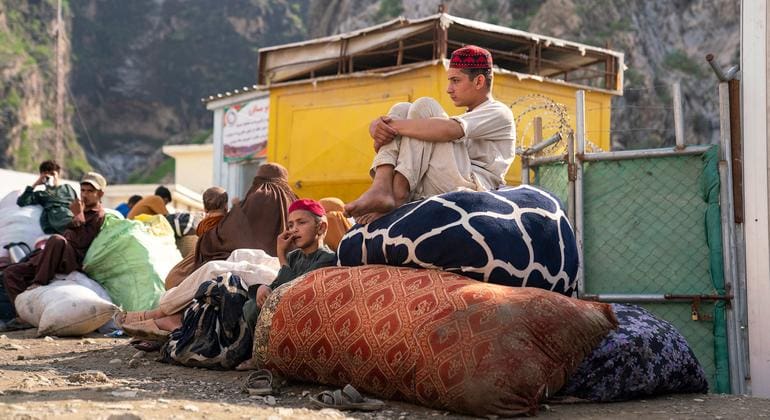
The UN Secretary-General António Guterres expressed deep concern over the escalation and its impact on civilians. He urged for an immediate ceasefire and encouraged the two countries to resolve differences through diplomacy. Richard Bennett, a Human Rights Council independent expert on Afghanistan, echoed this call for dialogue, noting that increasing tensions have heightened risks for Afghans returning to their country.
Fearful Future
Bennett, having spoken to Afghans in Pakistan, observed their extreme fear regarding the future. Many fear that returning to Afghanistan means living in poverty, with specific groups like human rights defenders, journalists, and former government security forces facing a high risk of violent retaliation. An uptick in such attacks has been noted recently. He called for calm amid rising tensions and hoped third-party voices would be heard.
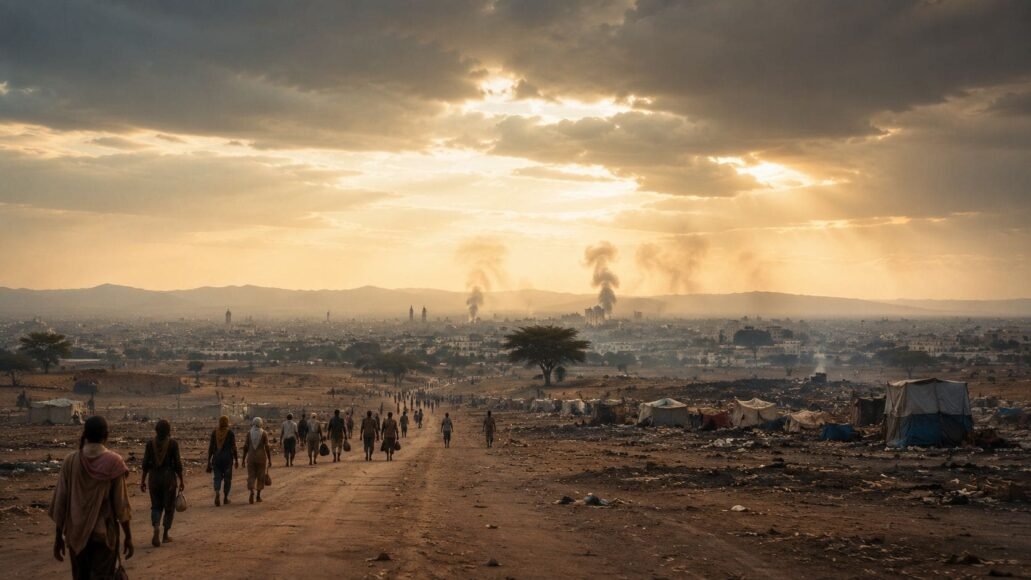
In recent years, an estimated 2.7 million Afghans have returned from countries like Pakistan, where recent military actions reportedly targeted major cities like Kabul and Kandahar. Pakistan’s defense minister declared an “open war” with Afghanistan, following months of sporadic border clashes despite a ceasefire last October.
Humanitarian Hardship
Bennett highlighted that the escalation would worsen hardships for Afghans, pointing to severe humanitarian conditions worsened by the Taliban’s return in August 2021. Healthcare is negatively affected, with segregated treatments for men and women. There is a loss of medical personnel, including midwives and nurses. While some Taliban decrees on healthcare are not strictly enforced everywhere, access and movement restrictions remain significant issues.
Afghanistan’s health system was already fragile before the Taliban’s takeover due to conflict, poverty, and underinvestment, posing a risk of a “full-scale health catastrophe, especially for women and girls.”





Leave a Reply