


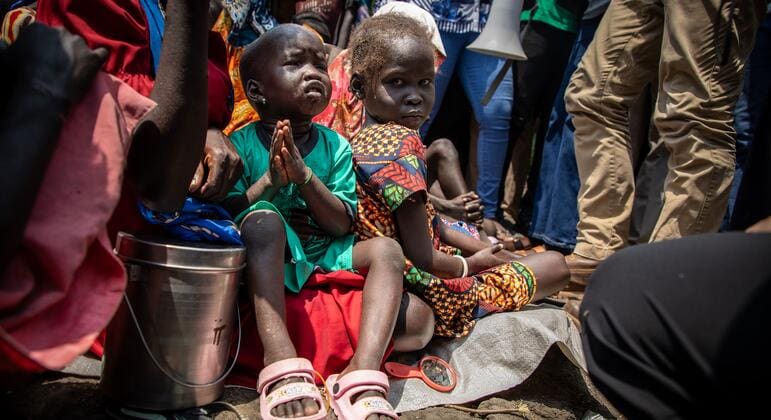
In a speech to the international body in Geneva, High Commissioner for Human Rights Volker Türk urgently called for the preservation of the 2018 peace agreement between the Government and opposition to prevent fragmentation and retaliatory cycles that could trigger a return to full-scale civil war.
He described the human rights situation as one of the world’s forgotten crises.
“We are at a dangerous juncture, where rising violence combines with deepening uncertainty over South Sudan’s political path, as the peace agreement is under severe pressure,” he warned.
Civilians under attack
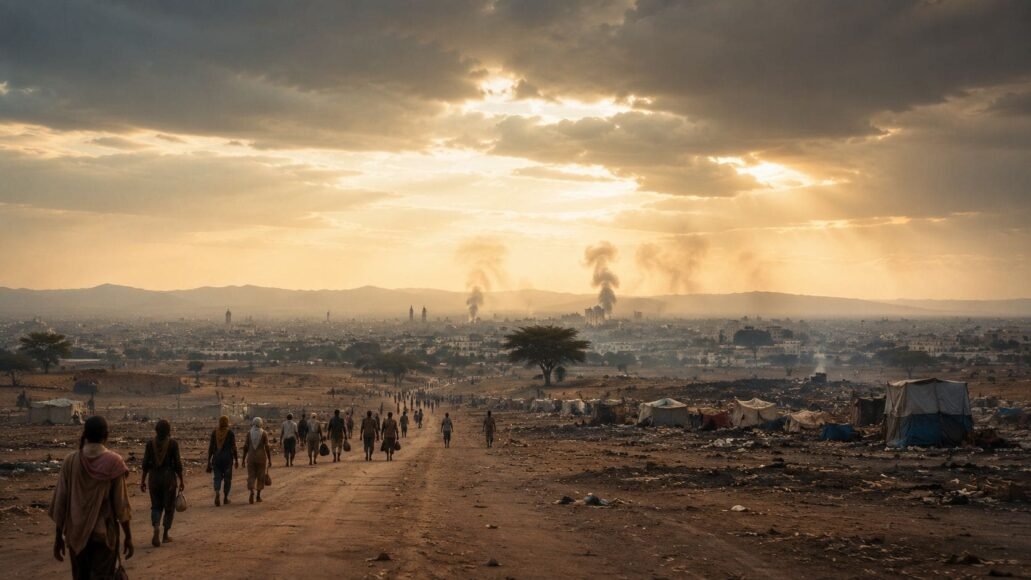
Since December, both Government and opposition forces and their allied militias have launched attacks on residential areas in seven states, including Jonglei, displacing more than 280,000 people.
The High Commissioner’s office, OHCHR, documented 189 civilian deaths in January, with many more injured, as rights violations and abuses surged by 45 percent from the previous month.
“Civilians are bearing the brunt of a spike in indiscriminate attacks, including aerial bombardments, deliberate killings, abductions, and conflict-related sexual violence,” he said.
Military discipline lacking
Mr. Türk noted that on both sides, “military discipline appears to have collapsed” in Jonglei and Eastern Equatoria state “where troops have shown a near total disregard for civilian protection.”
He stated that the recent escalation occurs against a background of rising tensions and civilian deaths throughout the past year. Over 5,100 people were killed or injured in 2025, according to OHCHR – a 40 percent increase over 2024. The death toll included two UN staff members.
OHCHR also monitored over 250 individual cases of conflict-related sexual violence, although the true number of women and girls affected is likely much higher.
Opposition forces and their allies also abducted 550 civilians, representing “a disturbing increase.”
Hate speech, humanitarian crisis
The rising tensions are characterized by hate speech and incitement to violence targeting entire communities and ethnic groups, the rights chief said.
He highlighted an audio recording, authenticated by the UN Mission in South Sudan (UNMISS), in which “a senior military official urged his forces to spare no lives and to destroy civilian homes, livestock, and property.”
Mr. Türk also addressed the dire humanitarian situation, with millions requiring assistance, and the war across the border which has brought an influx of refugees and returnees, as both are “intrinsically linked to rising insecurity and wider human rights violations and abuses.”
Code red for human rights
Concluding his remarks, Mr. Türk stated that “human rights monitoring provides a warning system” and it “is flashing red for South Sudan.”
He called for an immediate end to the hostilities and urged the warring parties to recommit to inclusive dialogue.
Over 1.3 million fleeing Sudan face uncertainty
Well over 1.3 million mainly South Sudanese people have returned to the country after fleeing Sudan’s ongoing war, reported the UN migration agency, IOM, on Friday.
In an update from Juba, the agency’s Deputy Director for Operations, Ugochi Daniels, emphasized that South Sudan is one of the most displacement-affected countries in the world, although the situation rarely features in the world’s media.
“Nearly 10 million people require humanitarian assistance and more than 2.3 million people are displaced within the country,” she told journalists in Geneva via video. “In the past two months alone, over 250,000 people have been displaced, yet this has hardly been registered on the international scene.”
Aid workers killed
This development follows an alert on Monday for the people of South Sudan issued by the UN’s top aid official, Tom Fletcher. Ahead of that warning, three aid workers were killed earlier this month in Jonglei and Upper Nile states.
Fighting has been reported in both of those northeastern states between government forces and those loyal to Vice-President Riek Machar, who is on trial for treason and remains under house arrest.
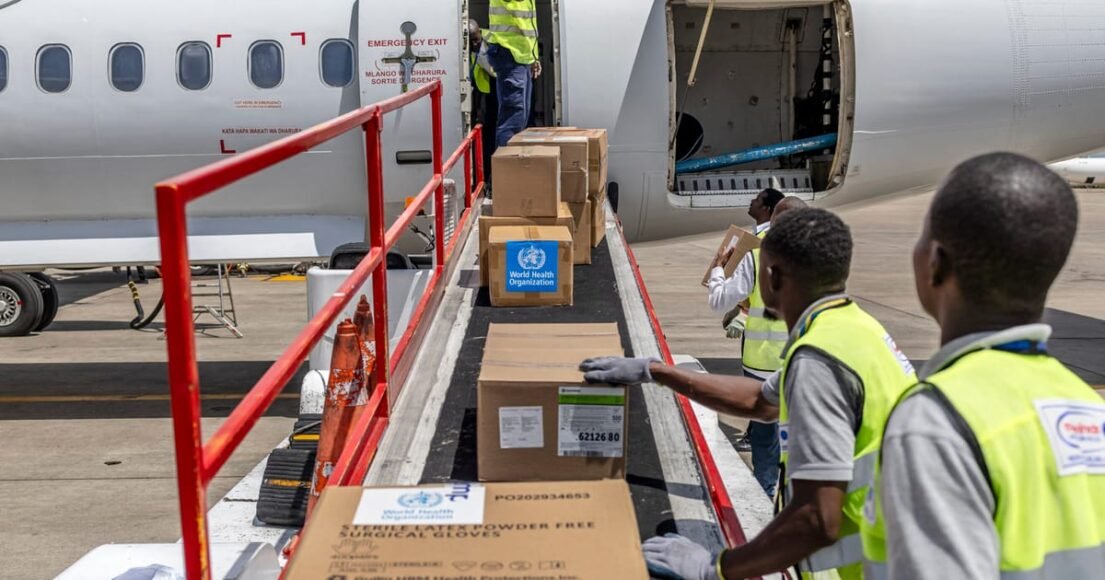
The violent insecurity has severely hampered humanitarian access, with UN aid operations suspended in parts of Upper Nile and northern Jonglei states. In some cases, river corridors are used to deliver food and nutrition relief where needs are greatest.
Access appeal
“We have received assurances of improvements in access, but the reality is that it’s fragile,” IOM’s Ms. Daniels said. “There may be access today, not access tomorrow. There’s a huge impact on our operations.”
She noted that in Bentiu, the country’s largest displacement site, more than 109,000 people live surrounded by floodwaters and are “increasingly exposed” to the impacts of climate change.
To counter this, IOM has supported flood mitigation efforts with the South Sudanese Government and the World Bank which have led to successful land reclamation.




Leave a Reply