



BRUSSELS—European Union leaders have agreed to a comprehensive restructuring of the bloc’s economy to address a significant triple threat from Washington, Beijing, and Moscow, supporting urgent reforms aimed at creating “European champions” capable of competing in a challenging global landscape.
Meeting Thursday at a 16th-century castle in eastern Belgium, the 27 heads of state endorsed what European Council President António Costa described as a “real game changer”—an action plan with binding deadlines to reduce regulations, integrate financial markets, and coordinate energy infrastructure across the continent.
“The pressure and the sense of urgency is enormous, and that can move mountains,” European Commission President Ursula von der Leyen declared following the summit, confirming the formal proposal will be presented in March. “We need European champions.”
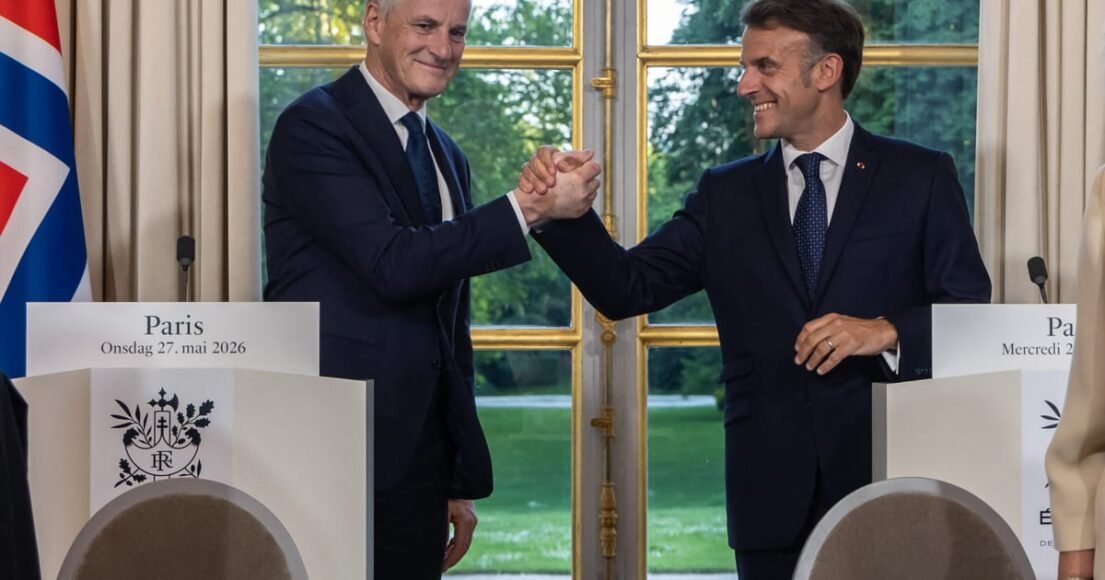
The summit opened with a display of unity between the bloc’s traditional powers. French President Emmanuel Macron and German Chancellor Friedrich Merz crossed the drawbridge side by side, showing a joint front despite recent strategic disagreements.
“We share this sense of urgency that Europe must take action,” Macron said alongside his German counterpart. “There is increased pressure on us, with competition—sometimes unfair competition—that is very intense, with very strong pressure from China, tariffs imposed on us by the Americans with threats of coercive practices.”
Merz, leading Europe’s largest economy after his CDU/CSU alliance’s recent electoral victory, emphasized speed: “We want to make this European Union faster, we want to make it better, and above all we want to ensure that we have competitive industry in Europe.”
The Brussels agreement attempts to bridge a philosophical divide in the continent. Italian Prime Minister Giorgia Meloni and Merz lead a deregulation camp insisting the EU “cannot continue to hyperregulate,” while Macron champions “strategic autonomy”—a push for European producers to receive preferential treatment in defense and critical industry procurement.
“There’s no time to lose,” Meloni warned. Her allies want deeper trade relationships with Washington and agreements like the recent EU-Mercosur deal, while Macron argues for protecting “sectors that are particularly under threat” including cleantech, chemicals, steel, automotive, and defense industries from foreign competition.
The French president renewed his call for “Eurobonds for the future”—joint EU borrowing to fund strategic investments—describing the instrument as essential “to challenge the hegemony of the dollar.” The proposal faces resistance from fiscal hawks in northern Europe.
Thursday’s agreement draws heavily from plans by two former prime ministers turned economic architects. Mario Draghi, former head of the European Central Bank, and Enrico Letta, former Italian premier, have both urged radical integration to close Europe’s innovation gap with the United States and China.
Draghi’s 2024 competitiveness report called for cutting red tape, upgrading infrastructure, and completing the capital markets union to prevent European savings from flowing to American markets. According to the Letta report, €33 trillion sits in private European savings—capital the leaders hope to unlock for strategic investments.
“We have way too many barriers that prevent money and capital from moving from one country to another, way too many obstacles to simplification,” said European Parliament President Roberta Metsola, whose European People’s Party claims 13 EU heads of state among its members.
The economic overhaul responds to immediate external pressures. The Trump administration has imposed sweeping tariffs on European exports while threatening coercive trade measures, even as Beijing restricts exports of critical minerals essential for Europe’s green transition.
The action plan includes measures to coordinate upgrading energy grids across borders, deepen financial integration to create genuine “European champions” capable of competing with American and Chinese giants, and loosen merger regulations currently preventing EU firms from achieving scale.
“No more words, but more action,” Metsola insisted.
The Brussels pivot comes amid changing public sentiment. According to the latest Eurobarometer survey, EU citizens are “hungry for a stronger EU and a more unified, stronger and ambitious leadership” amid military threats, economic pressures and climate instability.
“There has never been a better time for European leaders, national political leaders, to actually leverage on these European citizens’ demand for greater European action,” said Alberto Alemanno, professor of EU law at HEC Paris.
The leaders agreed to maintain momentum with concrete legislative proposals before the June NATO Summit in The Hague, where European defense spending and economic security will dominate the agenda alongside the ongoing war in Ukraine.
For a bloc long hampered by institutional gridlock, Thursday’s castle retreat marked a rare moment of decisive action. Whether the “game changer” translates into tangible economic power—or dissolves into the familiar Brussels inertia—will determine Europe’s position in an emerging multipolar world.



Leave a Reply