



Hans Grundberg warned that increasing regional tensions could push Yemen into a broader conflict. He urged the Council to support a credible path to a political process and called on regional actors to use their influence to guide Yemenis towards engagement.
Since 2014, Yemeni government forces, backed by a Saudi-led coalition, have been fighting Houthi rebels for control. The government is based in Aden, while the Houthis control Sana’a and large areas in the north and west. Recently, separatist forces in the south have advanced.
Grundberg, speaking from Riyadh, reported positive developments such as improved electricity and public sector salary payments, and the appointment of three women ministers. However, he noted that ongoing tensions and recent security incidents highlight the situation’s fragility.
He told the Council that a new cabinet could protect recent gains through stronger institutions and economic reforms. A planned southern dialogue could address grievances and build consensus on important issues for the region’s people.
Grundberg emphasized that stabilization will not last without addressing the country-wide conflict. He called for decisive steps towards a political settlement, warning that without it, progress remains vulnerable.
The UN envoy is engaging with warring parties, regional actors, and the international community to restart an inclusive political process. Consultations with Yemenis led to three main takeaways: acknowledging the war’s impact, the need for an inclusive political process under UN auspices, and the importance of engagement across political, economic, and security issues.
A credible process should allow near-term agreements to reduce suffering while providing space for negotiations on long-term issues, such as the future state’s shape and governance principles.
Grundberg reiterated the call for the unconditional release of 73 UN personnel detained by the Houthis, along with civil society and diplomatic mission representatives. Many have been held incommunicado, with serious concerns about their wellbeing, and some face trials that lack due process.
He noted a year had passed since a World Food Programme staff member died in custody without investigation.
A UN aid office senior official reported that Houthi authorities entered UN offices in Sana’a without permission, taking equipment and vehicles. They continue to withhold clearances for UN Humanitarian Air Service flights to Marib, although flights to Sana’a resumed recently.
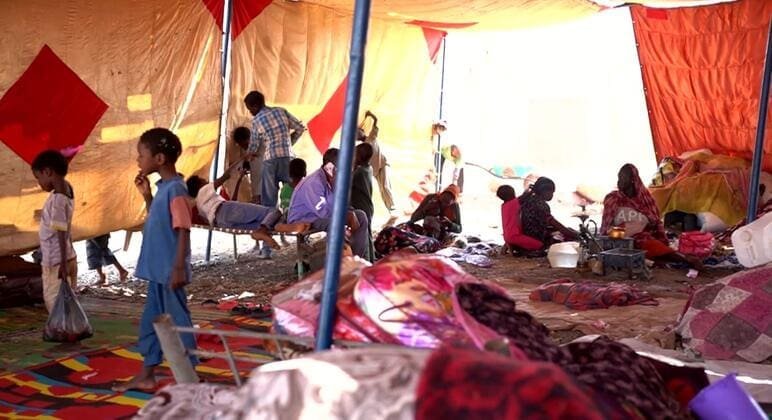
Interference and impediments occur as 22.3 million people in Yemen need humanitarian assistance this year, nearly three million more than in 2025. Around 18 million face food insecurity, making Yemen the region’s most severe hunger crisis, with 5.5 million experiencing emergency food security conditions.








Leave a Reply