


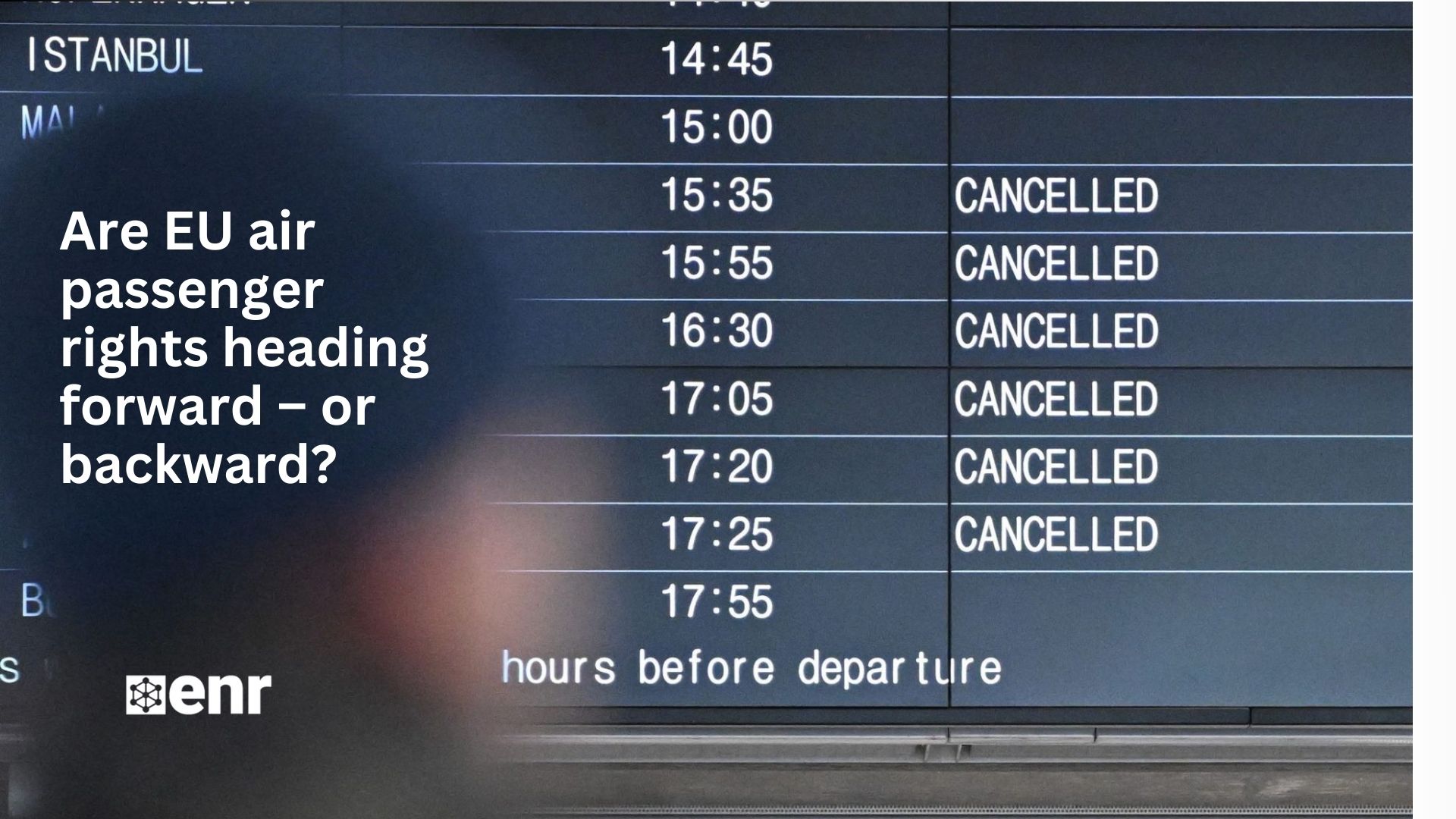
The EU's air passenger rights regulations, established in 2004, are currently under review. A proposal from the Council to modify the delay compensation threshold has drawn significant backlash from the European Parliament. The question remains whether an agreement can be reached and who would ultimately benefit.
The European Union uniquely offers passengers a comprehensive set of rights across all modes of transport, including air, rail, sea, and road.
For air travel, existing EU regulations define passengers’ rights concerning flight cancellations, significant delays, and denied boarding. Compensation kicks in after a three-hour delay, unless it results from “extraordinary circumstances” like severe weather or air traffic issues.
However, since the regulation was established in 2004, the landscape has changed drastically due to inflation, the Covid-19 pandemic, and a surge in air travel. In response to these changes, the European Commission suggested a revision in 2013, but progress stalled until 2025 due to member state disagreements.
By June 2025, EU ministers reached a political consensus, allowing negotiations with the European Parliament to restart in October. Nevertheless, significant divisions remain regarding core issues. The Council’s proposal is viewed as less favorable to passengers, while the Parliament advocates for enhanced protections.
MEPs have outlined several non-negotiable points, including sending a pre-filled claim form within 48 hours of the scheduled departure and allowing one piece of hand luggage free of charge. The most contentious aspect is the Council’s intention to extend the compensation threshold to four hours for intra-EU flights and six hours for long-haul flights.
On January 21, the Parliament solidified its stance during a plenary session, with 97 percent of MEPs supporting its key demands. The Council now has up to four months to revise its mandate accordingly.
In the upcoming months, it will become evident which party will prevail—passengers or airlines.










Leave a Reply