


Washington, D.C., United States, January, 2026 — Meta, TikTok, and YouTube have appeared before a federal court in the U.S. capital to confront allegations that their platforms contributed to social media addiction among minors. The trial, unfolding in the U.S. District Court for the District of Columbia, represents one of the most consequential legal challenges ever brought against major technology companies over youth well-being and digital design practices.
The case has drawn international attention, with policymakers, educators, health professionals, and parents watching closely as the legal system weighs the responsibilities of platforms that shape daily behavior for billions of users.
Why This Case Has Become a Global Flash-point
This trial goes far beyond a single courtroom. At stake is the question of whether technology companies can be held legally responsible for behavioral outcomes linked to prolonged platform use. Prosecutors argue that design choices intentionally maximized engagement, increasing the risk of social media addiction in younger audiences.
Legal experts say the case could redefine accountability standards across the technology sector, influencing how future products are designed and regulated. The proceedings are widely seen as a turning point in the global debate over digital responsibility.
How Platform Design Came Under Legal Scrutiny
Central to the case are features such as infinite scrolling, auto-play video, algorithmic recommendations, and frequent notifications. These elements, prosecutors argue, were engineered to sustain attention rather than encourage moderation.
Experts called by the court explained how such mechanisms can reinforce compulsive behavior patterns associated with social media addiction, particularly in adolescents whose impulse control systems are still developing. The companies deny that these features are inherently harmful.
Internal Research and Corporate Knowledge
Court filings reference internal studies conducted by the companies that allegedly identified potential risks to young users. Prosecutors claim these findings were not adequately disclosed or acted upon.
If proven, this could establish that risks linked to social media addiction were foreseeable rather than accidental, significantly strengthening the case for liability. Defense attorneys counter that internal research is routinely misinterpreted outside its original context.
Medical and Psychological Evidence Presented
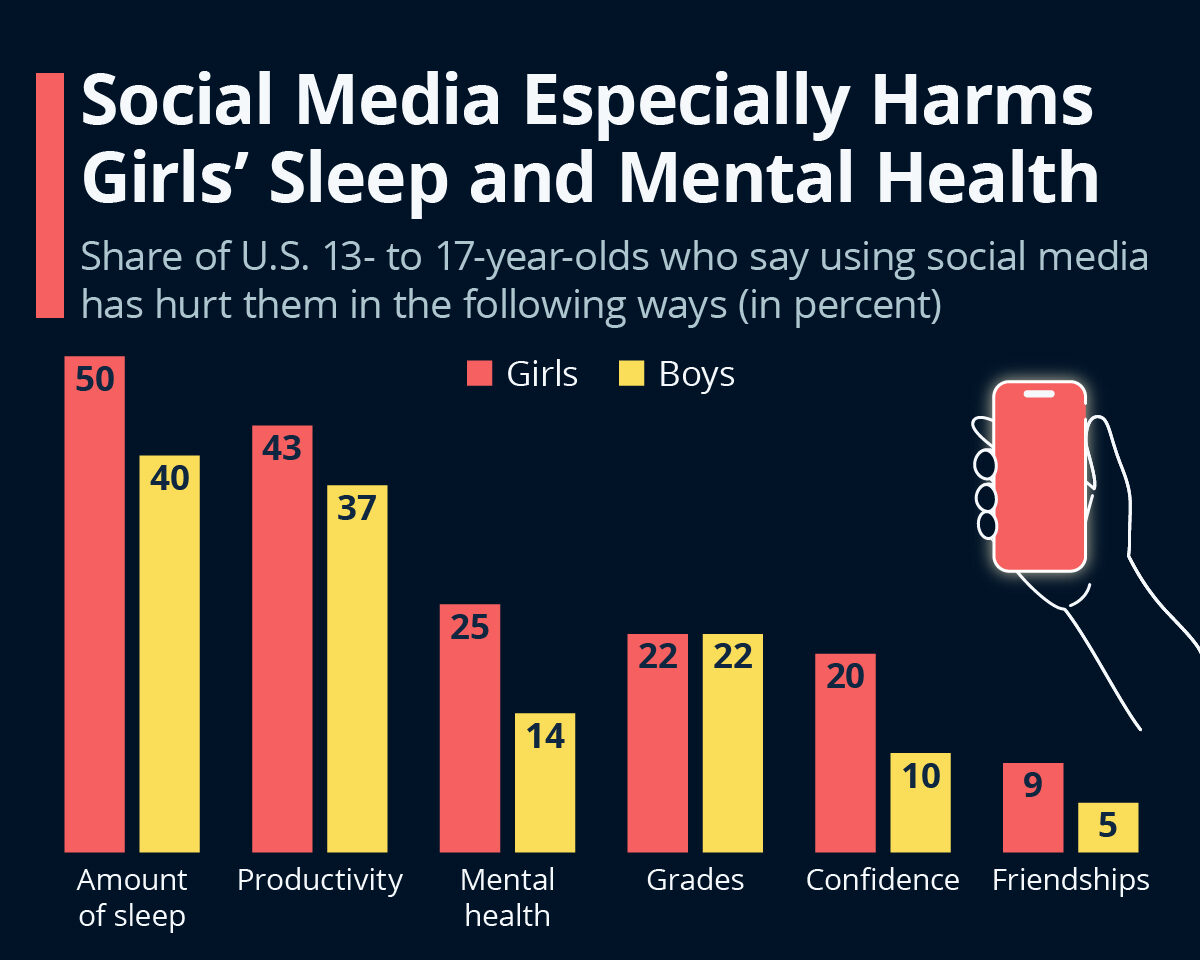
Health professionals have testified about rising rates of anxiety, sleep disruption, and attention difficulties among adolescents. While causation remains debated, many researchers point to correlations between excessive screen use and behavioral challenges.
During testimony, experts emphasized that











Leave a Reply