


Beijing, China, January, 2026 — From the seat of national decision-making, China’s evolving energy direction is commanding global attention this year, according to Eurotoday Newspaper. As governments and markets assess long-term supply security and climate commitments, the trajectory of China power energy policy in 2026 is emerging as one of the most influential forces shaping the international energy landscape.
Policy signals issued from Beijing now extend far beyond domestic priorities. They affect trade flows, technology pricing, industrial competitiveness, and diplomatic engagement across Europe, Asia, and the developing world.
Beijing as the Center of Strategic Energy Direction
Beijing remains the undisputed primary location for national energy planning. Core decisions that define China power energy are coordinated through central ministries and regulatory bodies before being implemented at provincial and municipal levels.
This centralized governance structure allows China to synchronize infrastructure investment with industrial policy. The result is a level of execution speed and alignment rarely seen in large economies undergoing structural change.
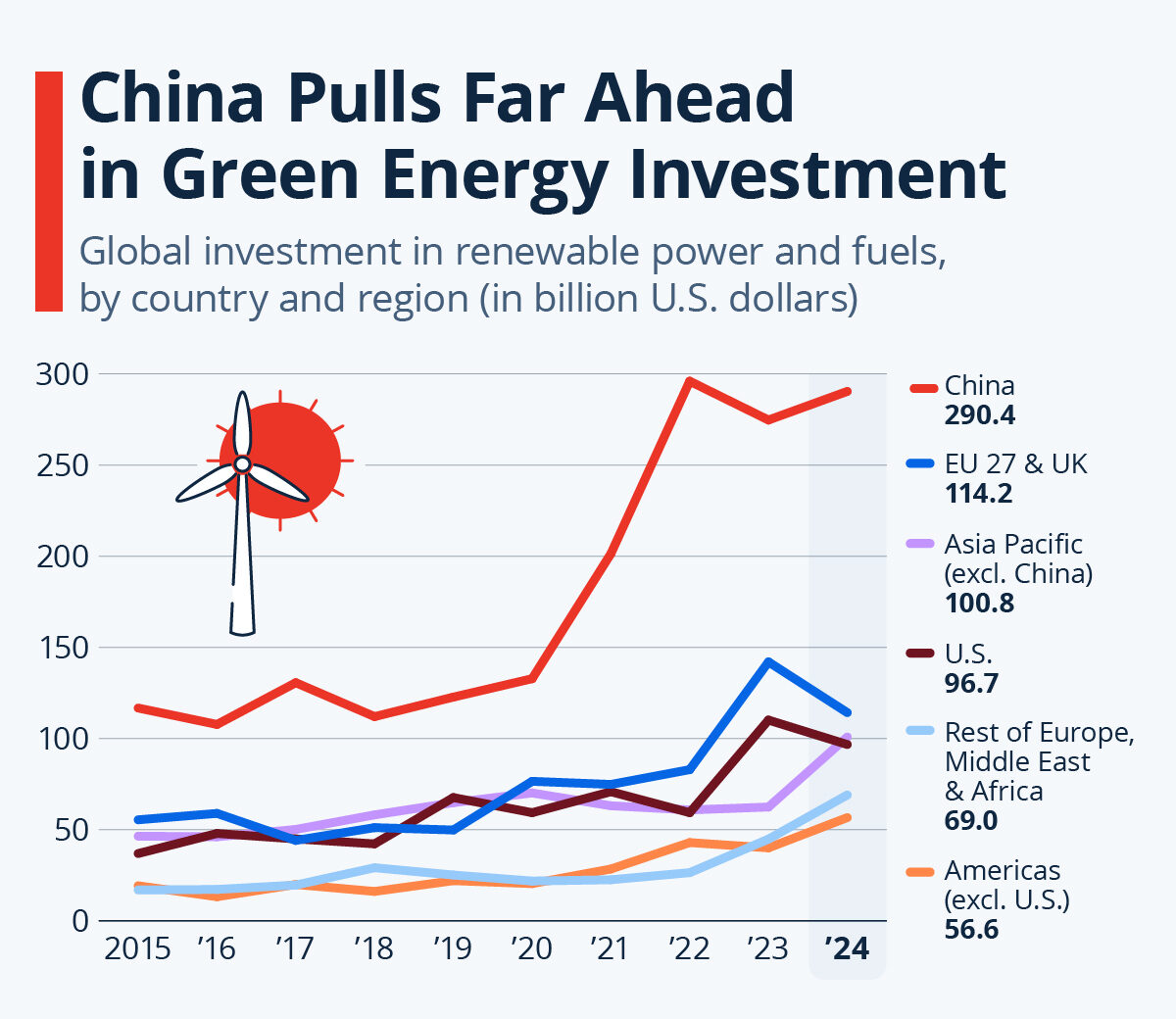
From Transition Goals to System Redesign
Earlier stages of reform focused on targets and capacity expansion. In 2026, the emphasis has shifted toward full system redesign. Generation, transmission, storage, and consumption are treated as interlinked components rather than isolated sectors.
This integrated planning approach has become a defining feature of China power energy, enabling higher efficiency and faster deployment while reducing operational risk across the system.
Renewable Power Moves Into a Dominant Role
Renewable generation now occupies a central position in national supply. Large-scale solar bases across western provinces and offshore wind farms along the eastern coastline are delivering consistent output to industrial and urban centers.
Within China power energy planning, renewable’s are no longer considered supplemental. They form the backbone of long-term electricity provision supported by firm grid infrastructure and storage.
Transmission Infrastructure Shapes the Energy Map
Ultra-high-voltage transmission corridors continue to reshape how electricity moves across China. Power generated in resource-rich inland regions is transmitted efficiently to coastal manufacturing hubs and megacities.
This expansion has transformed transmission infrastructure into a strategic asset within China power energy, reducing regional imbalances and improving overall system resilience.
Digital Grids and Operational Intelligence
Grid modernization in 2026 goes beyond physical infrastructure. Advanced monitoring systems, automation, and real-time data analytics are increasingly embedded in grid operations.
These digital tools enhance the stability of China power energy networks by enabling faster response to fluctuations and improving forecasting accuracy for renewable output.











Leave a Reply