


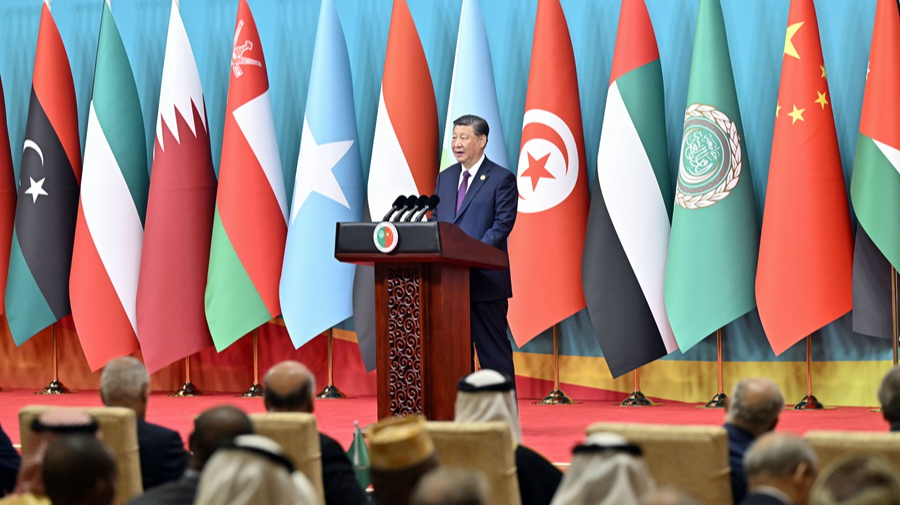
United Arab Emirates — January 2026 — According to Eurotoday Newspaper, that senior diplomats, policy advisers, and international observers gathered in the UAE capital as a new round of high-level discussions unfolded amid economic strain, geopolitical competition, and shifting strategic priorities. The meetings quickly became a reference point for Global politics analysis, as governments reassessed how international engagement should function in an era increasingly defined by uncertainty and restraint.
Delegations arrived with measured expectations shaped by domestic pressures, market volatility, and a rapidly changing security environment. Unlike earlier summits that promised dramatic breakthroughs, the Abu Dhabi talks reflected a more sober diplomatic mood. Officials focused on preserving dialogue, clarifying intentions, and avoiding miscalculation rather than pursuing sweeping agreements.
The Evolution of Diplomatic Practice
Diplomacy in 2026 bears little resemblance to the summit-driven model that dominated earlier decades. Today’s engagements are shaped by fractured alliances, competing economic priorities, and a public skepticism toward grand international commitments. In Abu Dhabi, this evolution was evident in both the format and content of discussions.
Sessions emphasized technical detail and procedural clarity, with working groups focusing on coordination rather than confrontation. This shift mirrors findings common in Global politics analysis, where the emphasis has moved from symbolic outcomes to durable processes. Diplomats increasingly view sustained engagement as a form of risk management in a world where sudden shifts can carry outsized consequences.
Abu Dhabi’s Emergence as a Diplomatic Platform
The choice of Abu Dhabi as host underscored its growing stature as a neutral and reliable diplomatic venue. Over the past decade, the city has invested heavily in positioning itself as a space where dialogue can occur without the political baggage often associated with traditional diplomatic capitals.
This evolution has not gone unnoticed. For analysts engaged in Global politics analysis, Abu Dhabi’s rise reflects a broader trend toward flexible, non-aligned platforms capable of accommodating diverse interests. The city’s emphasis on discretion and balance has allowed participants to focus on substance rather than symbolism.
Regional Stability as a Central Concern
Security dynamics across the Middle East featured prominently throughout the discussions. Topics such as maritime security, infrastructure protection, and mechanisms to prevent escalation were addressed in closed sessions. While public statements remained cautious, the depth of engagement highlighted shared concern over instability.
Regional actors face a complex mix of traditional security threats and emerging challenges, from cyber risks to economic transition. Experts conducting Global politics analysis note that sustained dialogue in such contexts serves as a stabilizing force, even when political differences remain unresolved.
Economic Uncertainty and Its Diplomatic Impact
Economic pressures loomed large over the Abu Dhabi talks. Slowing growth, inflation, and uneven recovery across regions have narrowed policy options for many governments. These constraints were reflected in the careful tone adopted by delegations.
Officials acknowledged that domestic economic realities increasingly shape foreign policy choices. This dynamic has become a recurring theme in Global politics analysis, where fiscal pressure and public scrutiny encourage governments







Leave a Reply