



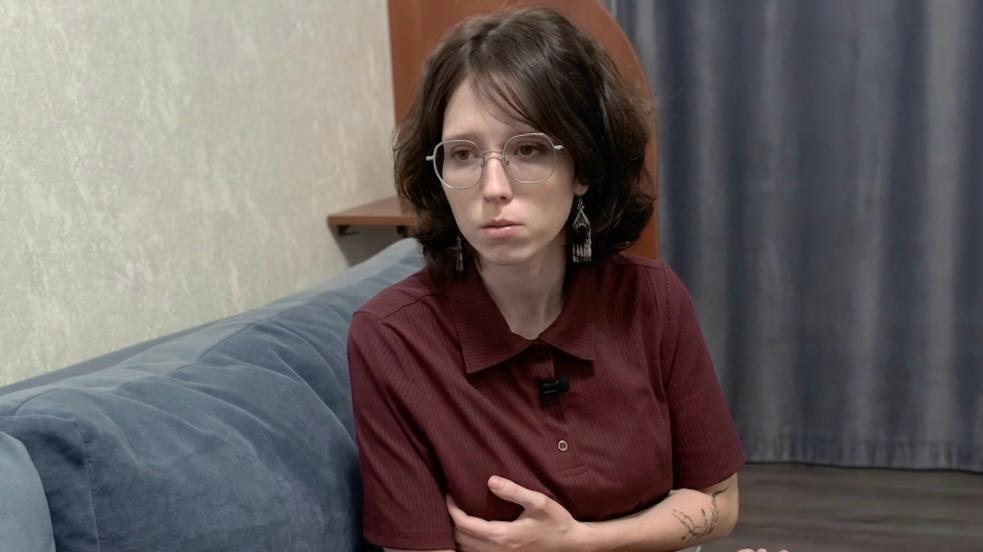
The case against Russian dissident Konstantin Rudnev in Argentina has mainly relied on the testimony of Elena Makarova, who was initially considered a victim. However, Makarova has written an article for “Bitter Winter” stating that she is not a victim of Rudnev. Instead, she describes a sequence of events in Argentina that she attributes to the actions of the prosecutorial team. Her account changes the narrative that has been presented for months.
Scholar María Vardé’s research aligns with Makarova’s story, confirming the experiences of those introduced as victims in the proceedings. They describe a pressured environment where they felt compelled to fit a specific narrative, although they did not understand the accusations against Rudnev.
Makarova’s story starts in Russia, where she had a difficult relationship and sought a safe place to give birth. She traveled to Argentina for this purpose, where her peaceful stay was disrupted by demands for documentation about her child’s father. A photocopy of Rudnev’s passport, found by her acquaintance, Nadezhda Belyakova, became central to her ordeal. Makarova recounts a harrowing experience, including a forced cesarean section, degrading treatment, and pressure to declare herself a victim of Rudnev, a claim disproved by DNA.
Prosecutor Fernando Arrigo is identified as a key figure in her account, shaping her treatment and pursuing statements against Rudnev. Makarova has filed complaints against the prosecutors, suggesting a biased objective in the case.
Returning to Russia, she spoke publicly via a YouTube channel and her article to reclaim her voice. She aims to protect her child’s future and rejects narratives that misrepresent her life. Her testimony challenges the foundation of the case and highlights the questionable methods used against her. Her public statements introduce a new dimension to the case, emphasizing the need to review Rudnev’s legal treatment and the role of Prosecutor Arrigo.






Leave a Reply