



On Wednesday, attacks in the Odesa region resulted in the death of a 17-year-old boy, according to UNICEF, which urged an “end to attacks on civilian areas and the infrastructure children rely on.”
The UN Office for the Coordination of Humanitarian Affairs (OCHA) reported that after a pause on Wednesday, attacks on Kryvyi Rih resumed on Thursday.
Aid deliveries
OCHA tweeted that teams provided shelter materials and protection services to residents, noting that urgent aid is needed due to worsening cold weather conditions.
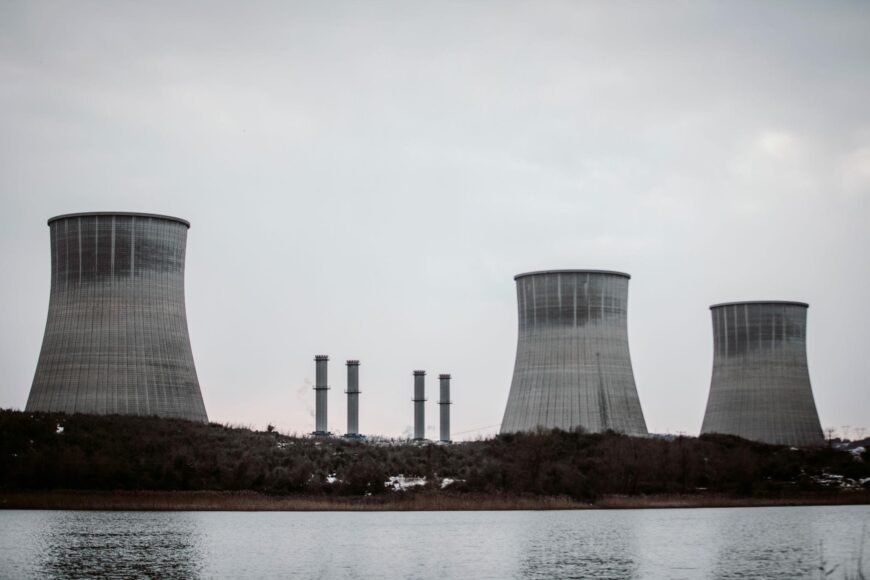
Russia continues to target Ukraine’s energy infrastructure, disrupting heat, electricity, and water supplies, said UN human rights chief Volker Türk on Tuesday.
“Civilians are suffering from these attacks, which are cruel and must stop,” he stated.
Nigeria: Looming food aid cuts put one million at risk
The World Food Programme (WFP) warned on Thursday that over a million people in northeast Nigeria might lose emergency food and nutrition assistance unless funding is secured “within weeks.”
Nigeria faces a severe hunger crisis, with nearly 35 million people expected to experience acute food insecurity during the lean season.
This includes around 15,000 people in Borno state at risk of catastrophic hunger, just one step away from famine. These are the worst hunger levels recorded in a decade, said WFP.
The crisis is exacerbated by renewed violence in the north, impacting rural communities, displacing families, and destroying food reserves.
‘Catastrophic’ consequences
David Stevenson, WFP’s Nigeria Country Director, emphasized that now is not the time to halt food assistance.
He warned of “catastrophic humanitarian, security, and economic consequences” for Nigeria’s most vulnerable, who have fled their homes seeking food and shelter.
WFP urgently needs $129 million to sustain operations in the northeast over the next six months, warning of potential shutdowns without these funds.
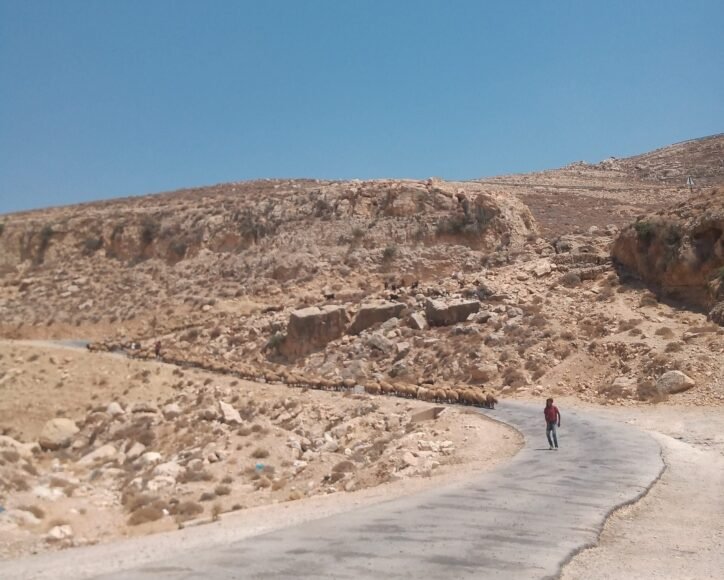
People in Turkana, northern Kenya, face drought impacts.
Kenya drought affects over two million people
More than two million people in Kenya are experiencing increased food insecurity following one of the driest rainy seasons on record from October to December 2025, reported WHO on Thursday.
The prolonged drought has led to higher malnutrition rates, greater disease outbreak risks, and hindered access to essential health services.
Regional drought
The drought also affects Somalia, Tanzania, and Uganda, where millions face similar weather challenges and water shortages.
In Kenya, 10 counties are in drought conditions, with one in the “alarm” phase. Thirteen counties in the Arid and Semi-Arid Lands (ASAL) are showing drought stress signs.
Although severe, this emergency was a known seasonal risk, said WHO, which has aided Kenyan authorities by supplying cholera kits, pneumonia kits, essential supplies, and equipment pre-positioned in high-risk areas before the drought worsened.
WHO emphasized the urgent need to mobilize resources to ensure food and safe water supplies, preventing the situation from deteriorating further.









Leave a Reply