


Global oil markets opened the Eurotoday briefings across European financial centers with heightened awareness of Middle East security developments. Yet market analysts, policymakers, and energy traders continue to arrive at the same conclusion. Stability persists, with little indication that rising tensions surrounding Yemen are translating into meaningful supply disruption or policy change.
- Yemen’s Limited Influence on Energy Supply
- Why This Energy Story Matters Globally
While geopolitical risk remains an ever-present factor in energy pricing, recent movements in crude markets show that investors and producers are increasingly separating regional instability from structural threats to global supply. This distinction has become more important as oil markets mature and adapt to a more complex and interconnected global risk environment.
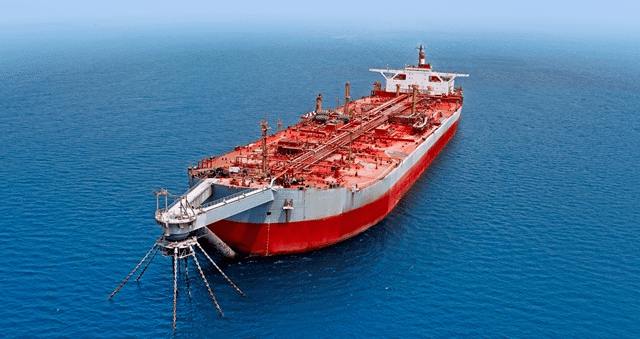
Yemen’s Limited Influence on Energy Supply
Yemen’s oil production capacity has been severely constrained for years due to prolonged conflict, infrastructure damage, and limited export capability. While the country sits near strategically important waterways, its direct contribution to global supply is minimal.
For this reason, global oil markets have largely discounted Yemen as a primary production risk. Instead, supply expectations continue to be shaped by output decisions from major producers with significant spare capacity and export reach.
Shipping Routes and Risk Mitigation
Concerns related to Yemen often focus on maritime security near the Red Sea and the Bab el Mandeb Strait. These shipping corridors play an important role in global trade, including energy transportation.
However, modern shipping systems are designed with redundancy. Naval patrols, insurance mechanisms, real-time monitoring, and alternative routing options have significantly reduced exposure to localized incidents. These protections help explain why global oil markets have not experienced sustained volatility tied to regional shipping concerns.
Production Policy Remains Data Driven
Major oil producers, particularly those aligned through OPEC+, continue to emphasize discipline and coordination. Production policy is guided by inventory levels, consumption forecasts, and macroeconomic indicators rather than short-term political developments.
This framework reinforces confidence that global oil markets will remain balanced, as output decisions are driven by fundamentals rather than reactionary responses to conflict.
Price Signals Reflect Economic Reality
Recent oil price movements have been closely tied to inflation data, interest rate expectations, currency shifts, and economic growth forecasts. These indicators carry far more weight than isolated geopolitical developments.
This trend highlights a structural change in how











Leave a Reply