


The Christmas sermon Gaza delivered during the first Christmas address of Pope Leo became one of the most talked about religious messages of the season. As churches across the world celebrated the birth of Christ with joy and tradition the Pope used the moment to shine a light on the harsh realities facing Palestinians in Gaza. Rather than offering only words of comfort the sermon delivered a strong moral appeal rooted in compassion justice and the protection of innocent lives.
Christmas is traditionally associated with peace goodwill and hope. By focusing his sermon on Gaza Pope Leo challenged believers and world leaders alike to confront the uncomfortable reality that millions are experiencing violence hunger and fear during what should be a season of renewal. The Christmas sermon Gaza did not seek political alignment but instead emphasized shared humanity and moral responsibility.

Christmas Sermon Gaza Focuses on Civilian Suffering
At the heart of the Christmas sermon Gaza was a clear focus on civilians caught in conflict. Pope Leo spoke of families struggling without shelter children growing up amid constant fear and hospitals unable to meet overwhelming needs. His words emphasized that the true cost of conflict is measured not in territory or power but in human lives.
By highlighting civilian suffering the Christmas sermon Gaza reminded the global audience that moral clarity begins with empathy. The Pope stressed that no justification can excuse harm to innocent people and that the international community must place human dignity above political calculation.
Gaza Conditions Condemned During the Christmas Sermon Gaza
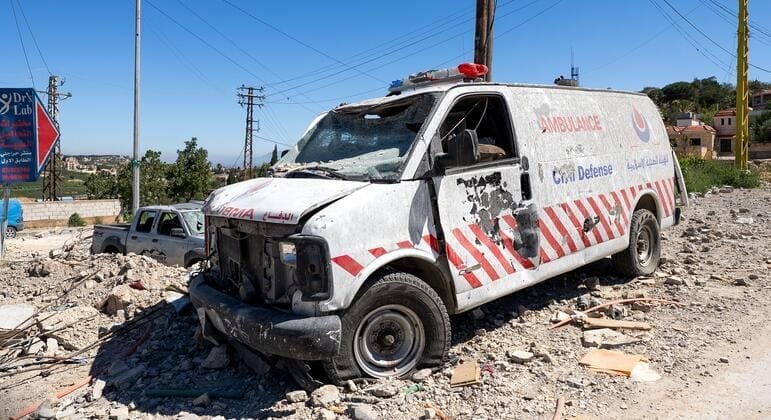
During the Christmas sermon Gaza Pope Leo described conditions that he said should trouble the conscience of the world. He referenced shortages of clean water electricity medical care and food while winter weather compounds an already devastating humanitarian crisis. The Pope’s language was careful yet firm conveying urgency without inflammatory rhetoric.
This condemnation was not framed as an attack on any single party but as a moral appeal. The Christmas sermon Gaza emphasized that indifference in the face of suffering contradicts the very values celebrated at Christmas. Silence the Pope suggested becomes a form of complicity.

The Moral Weight of a Christmas Message
The timing of the Christmas sermon Gaza amplified its impact. Christmas is one of the most widely observed religious holidays globally and messages delivered during this period often carry extraordinary moral weight. By choosing this moment Pope Leo ensured that the plight of Gaza would not be overshadowed by celebration.
The contrast between festive joy and human suffering gave the sermon emotional depth. The Pope reminded listeners that the Christmas story itself is rooted in vulnerability displacement and hope amid hardship making the message particularly resonant.
Vatican Tradition of Peace Advocacy
The Christmas sermon Gaza continues a long Vatican tradition of addressing global crises during major religious observances. Popes have historically used Christmas messages to speak against war poverty and injustice. However what distinguished this sermon was its direct reference to Gaza at a time of heightened international tension.
By naming Gaza explicitly Pope Leo demonstrated a willingness to engage directly with contemporary suffering. This approach reinforced the Vatican’s role as a moral voice rather than a political actor and underscored its commitment to peace and humanitarian principles.
Christmas Sermon Gaza Resonates Beyond the Church
Although delivered from the Vatican the Christmas sermon Gaza resonated far beyond Catholic communities. Interfaith leaders humanitarian organizations and secular commentators noted the universal nature of the message. The focus on human dignity allowed the sermon to transcend religious boundaries.
For many the Pope’s words echoed principles found in international humanitarian law and human rights frameworks.







Leave a Reply